Here is the SEO-optimized article tailored for Nissan Leaf and e-NV200 owners, written from the perspective of a CNS BATTERY expert.
Step-by-Step CNS Battery Health Check Guide
As a Nissan Leaf or e-NV200 owner, your battery is the heart of your vehicle. Over time, factors like age, temperature extremes, and charging cycles can degrade its performance. At CNS BATTERY, we understand that seeing your range drop or your battery bars deplete can be stressful. That’s why we’ve developed this comprehensive Step-by-Step CNS Battery Health Check Guide.
Unlike generic diagnostics, this guide is designed specifically for owners who want to assess their current battery health or verify the performance of a potential replacement. Whether you are looking to upgrade your Nissan Leaf battery or simply maintain your current setup, this guide will help you make an informed decision.
Why Regular Battery Health Checks Matter
Before diving into the steps, it is crucial to understand why checking your battery health is vital. A degraded battery doesn’t just reduce your driving range; it can also lead to increased charging times and potential safety hazards.
CNS BATTERY specializes in providing OEM-compatible lithium battery packs for Nissan and BMW models. Our packs are engineered to meet original factory standards, ensuring that when you replace your battery with a CNS unit, you are restoring your vehicle to peak performance. Regular health checks allow you to catch issues early, potentially saving you from expensive repairs down the line.
Step 1: Visual Inspection and Physical Check
The first step in any health check is the physical assessment. You don’t need complex tools for this; your eyes and hands are sufficient.
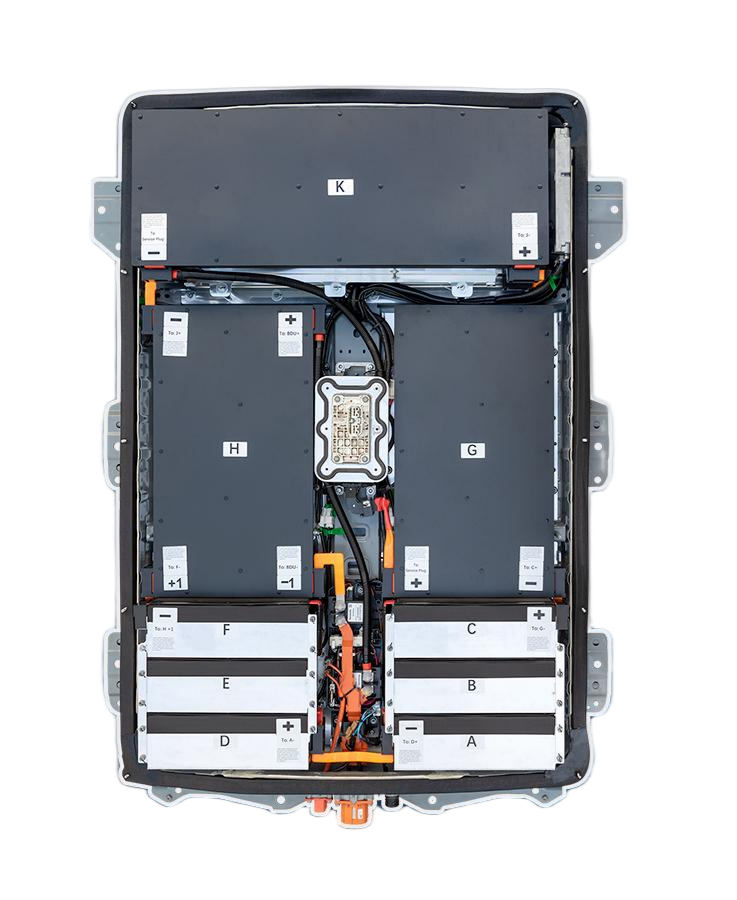
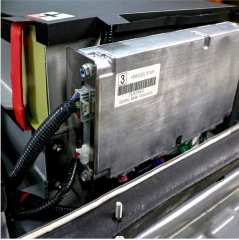
- Exterior Casing: Inspect the battery casing for any signs of swelling, cracks, or corrosion. A healthy battery should have a smooth, intact surface.
- Connectors and Terminals: Check the high-voltage connectors and terminals. Look for signs of burning, melting, or loose connections. Clean, tight connections are essential for optimal power delivery.
- Ventilation: Ensure that the battery’s ventilation channels are not blocked. Overheating is one of the primary causes of battery degradation.
Expert Tip: If you notice any physical damage during this step, it is a clear sign that your battery needs replacement. At CNS, we recommend upgrading to a new pack rather than attempting risky repairs on damaged cells.
Step 2: Using Diagnostic Tools to Read Data
Once the physical inspection is complete, you need to look at the data. This step requires an OBD2 scanner or a dedicated EV diagnostic tool compatible with Nissan Leaf or e-NV200 systems.
- Connect the Scanner: Plug the diagnostic tool into your vehicle’s OBD2 port.
- Access the Battery Management System (BMS): Navigate to the BMS section. This is the brain of your battery pack.
- Check Key Metrics:
- State of Health (SOH): This percentage indicates the remaining capacity of your battery compared to when it was new. Anything below 70% typically indicates a battery that needs attention.
- State of Charge (SOC): Verify that the displayed charge level matches the actual driving range.
- Error Codes: Look for any Diagnostic Trouble Codes (DTCs). Codes related to cell imbalance or voltage faults are red flags.
CNS BATTERY packs come pre-programmed with a robust BMS to prevent these common issues. If your diagnostic scan reveals multiple error codes, it is likely time to consider a Nissan Leaf battery upgrade.
Step 3: Performance and Range Testing
Data is important, but real-world performance is the ultimate test. This step involves taking your vehicle for a drive to assess how the battery behaves under load.
- Full Charge Test: Charge your battery to 100% and note the estimated range.
- Highway Driving: Drive at a consistent speed (e.g., 60-70 mph) and monitor the range drop.
- City Driving: Observe performance in stop-and-go traffic.
Comparison Guide:
| Metric | Healthy Battery | Degraded Battery (Needs Replacement) |
|---|---|---|
| Range Retention | 85% – 100% of original spec | Below 70% of original spec |
| Charging Speed | Consistent, fast charging | Slow charging, especially in the final stages |
| Voltage Drop | Minimal under acceleration | Significant “voltage sag” when accelerating |
If your test results align with the “Degraded Battery” column, CNS BATTERY offers high-performance replacements that can restore your vehicle’s range to factory specifications—or even exceed them.
Step 4: Verifying Your New CNS Battery
If you are following this guide to check a new CNS BATTERY pack, the process is slightly different. We prioritize transparency and quality assurance.
- Incoming Inspection: Upon receiving your new CNS pack, perform the visual inspection from Step 1 to ensure there was no damage during shipping.
- System Integration: After installation, use the diagnostic tool to verify that the BMS communicates seamlessly with your Nissan Leaf or e-NV200.
- First Charge: Monitor the first full charge cycle. A CNS battery should charge smoothly without error codes.
Why Choose CNS for Your Replacement?
We don’t just sell batteries; we provide a complete powertrain solution. Our Nissan Leaf batteries (covering ZE0, AZE0, and ZE1 models) and Nissan e-NV200 batteries are built with brand-new CATL cells. This ensures maximum safety, longevity, and performance. Furthermore, we back our products with an industry-leading 24-month / 80,000 km warranty, far surpassing many competitors.
Frequently Asked Questions (FAQ)
Q1: How often should I perform a battery health check?
A: We recommend checking your battery health at least once a year, or every 20,000 km. If you live in an area with extreme temperatures (very hot or very cold), checking every 6 months is advisable to catch thermal degradation early.
Q2: Can I perform these health checks myself, or do I need a mechanic?
A: The visual inspection (Step 1) is something any owner can do safely. For the diagnostic scan (Step 2), you will need an OBD2 scanner. While many DIY enthusiasts can do this, if you are uncomfortable working with high-voltage systems, please contact a certified technician. However, if you are purchasing a CNS BATTERY, our support team offers video call guidance to help you verify the installation.
Q3: What happens if my health check shows my battery is failing?
A: If your health check indicates failure, the best course of action is to replace the battery. Refurbished or used batteries often come with hidden risks and short lifespans. We recommend upgrading to a new, high-quality pack like those from CNS BATTERY. Our packs offer OEM-level compatibility at a fraction of the cost, ensuring you get back on the road safely and efficiently.
Q4: Does CNS BATTERY offer international shipping and support?
A: Yes, CNS BATTERY supports international sales to over 50 countries. We handle customs compliance and offer DDP (Delivered Duty Paid) service to most regions. Whether you are in Europe, North America, or Asia, we provide the same high standard of products and technical support.
If you have followed this guide and determined that your Nissan Leaf or e-NV200 needs a new power source, CNS BATTERY is here to help. Don’t let a failing battery limit your range.
Get a Free Custom Quote today and discover how we can help you extend your range and improve safety.