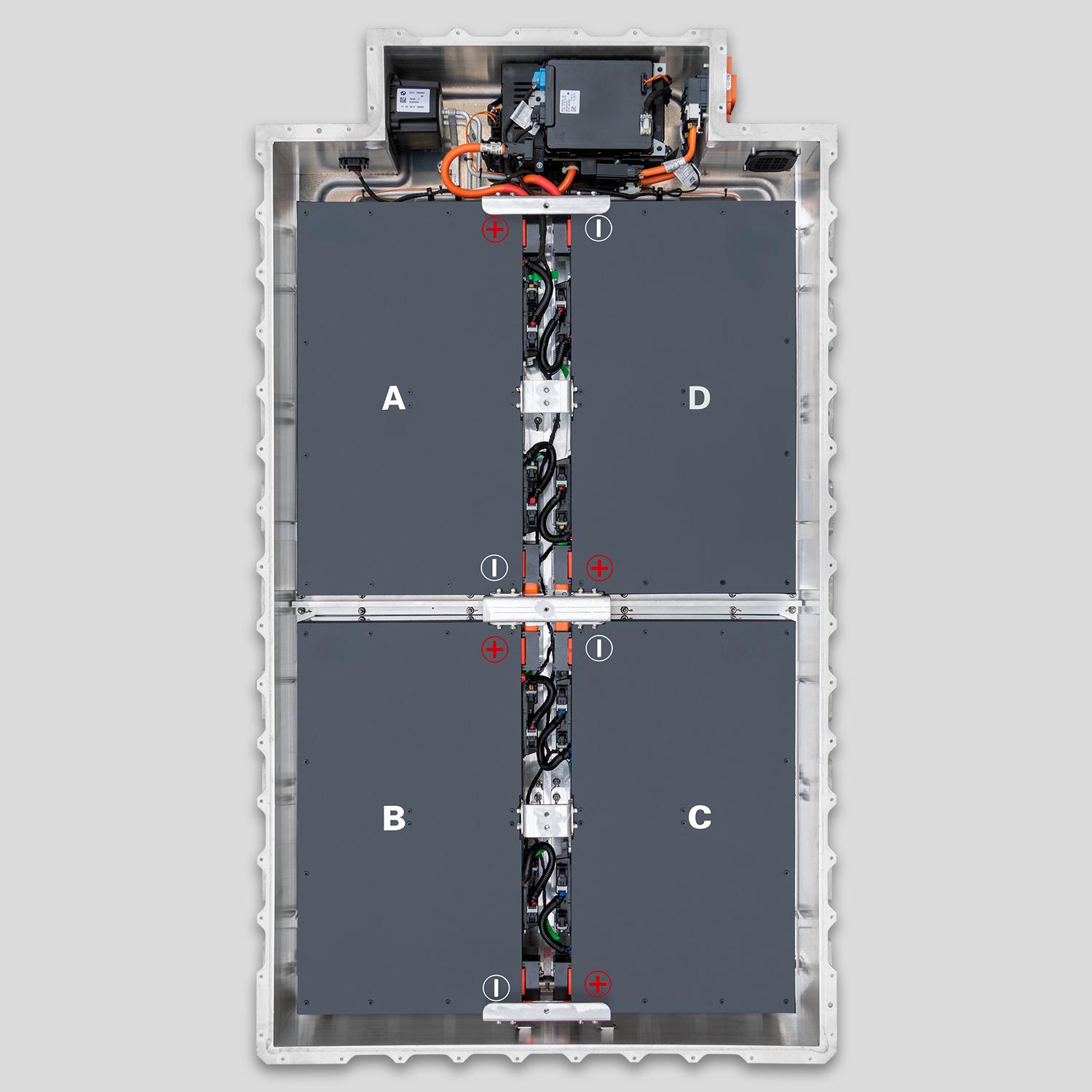
🌡️ Surviving the Heat: CNS Battery Summer Heat Management Best Practices
The mercury is rising, and as summer approaches, your electric vehicle faces a unique set of challenges. High temperatures can be the nemesis of lithium-ion batteries, potentially accelerating degradation and reducing overall lifespan. If you own a Nissan Leaf or a BMW i3, maintaining optimal battery health during the scorching summer months is crucial for preserving your vehicle’s range and performance.
At CNS BATTERY, we understand that your EV is more than just transportation—it’s a daily companion. As a leading manufacturer specializing in high-performance, OEM-compatible battery solutions for Nissan and BMW, we are committed to helping you extend your range and improve safety. In this guide, we will walk you through the best practices for managing your battery during the summer heat, ensuring your EV remains reliable and efficient.
🧠 Why Heat is the Enemy of EV Batteries
Before diving into the management strategies, it is essential to understand the science behind why heat affects your battery.
Lithium-ion batteries, the standard in modern EVs, are highly sensitive to temperature extremes. While they operate efficiently within a specific range, excessive heat can trigger unwanted chemical reactions within the cells. This can lead to:
- Accelerated Degradation: High temperatures increase the rate at which the battery’s internal chemistry breaks down, leading to a permanent loss of capacity.
- Reduced Lifespan: Just like how humans feel sluggish in the heat, batteries experience stress that shortens their overall life expectancy.
- Thermal Runaway Risk: Although rare, extreme heat can increase the risk of thermal runaway, a dangerous condition where the battery overheats uncontrollably.
Understanding these risks is the first step toward effective heat management.
🛡️ Best Practices for Summer Heat Management
Implementing a few simple habits can make a significant difference in how your battery handles the summer heat. Here are our top recommendations:
1. Master the Art of Charging
Charging generates heat, and combining that with high ambient temperatures can be detrimental.
- Avoid 100% Charging in Peak Heat: While it might be tempting to top off your battery, keeping it at 100% state of charge (SoC) in high heat accelerates stress. Try to keep your charge level between 20% and 80% during the summer months.
- Charge During Cooler Hours: If possible, schedule your charging sessions for the evening or early morning when temperatures are lower. This allows the battery to cool down naturally.
- Take Breaks During Fast Charging: If you are using a DC fast charger, allow the battery to cool slightly between charging sessions. Continuous high-speed charging in the heat can overwork the battery management system (BMS).
2. Smart Parking Strategies
Where you park your vehicle can have a massive impact on the internal temperature of the battery.
- Seek Shade: Whenever possible, park in a garage or under a shaded area. Direct sunlight can significantly raise the cabin and undercarriage temperatures.
- Use Sunshades: If you must park outside, using a windshield sunshade can help keep the interior cool, which indirectly helps the battery cooling system work less hard.
- Preconditioning: If your vehicle has a preconditioning feature, use it. This allows you to cool down the battery while the car is still plugged in, using grid power instead of the battery’s own energy.
3. Maintain Your Cooling System
Most modern EVs, including the Nissan Leaf and BMW i3, rely on liquid cooling systems to regulate battery temperature.
- Check Coolant Levels: Ensure that your vehicle’s coolant levels are topped up. Low coolant can lead to inefficient heat dissipation.
- Monitor System Health: Pay attention to any dashboard warnings related to the battery temperature. If the “Check Battery” light comes on, address it immediately.
🏆 Why Choose CNS BATTERY for Your Summer Driving
While managing heat is essential, starting with a superior battery makes all the difference. At CNS BATTERY, we engineer our packs with summer heat management in mind.
Our batteries are designed to outperform:
- Premium Cell Technology: We utilize brand-new, high-quality cells from CATL (Contemporary Amperex Technology Co. Limited), the world’s largest lithium-ion battery manufacturer. These cells are renowned for their thermal stability and safety, offering superior performance even in challenging conditions.
- Advanced Battery Management System (BMS): Our proprietary BMS is engineered to actively monitor and balance cell temperatures, ensuring that no single cell overheats and causes imbalance.
- OEM-Compatible Design: Our packs are built to fit seamlessly into your Nissan or BMW, ensuring that the vehicle’s original cooling channels and airflow systems work effectively with our battery.
The CNS Advantage
| Feature | CNS BATTERY | Generic/Refurbished |
|---|---|---|
| Cell Quality | Brand New CATL Cells | Recycled/Old Stock |
| Thermal Stability | High (Engineered for Safety) | Low (Unpredictable) |
| Warranty | 2 Years / 80,000 KM | Often None or Very Short |
| Summer Performance | Consistent Range | Risk of Swelling/Failure |
🛠️ DIY Maintenance Tips
For the hands-on EV owner, here are a few maintenance checks you can perform to ensure your battery stays cool:
- Inspect the Air Vents: Ensure that the air vents around the battery pack are not clogged with debris, leaves, or dust. Good airflow is critical for passive cooling.
- Check for Leaks: If your vehicle uses a liquid cooling system, inspect the hoses and connections for any signs of leaks or wear.
- Keep it Clean: Regularly washing the undercarriage of your vehicle can help remove dirt and grime that might act as insulation, trapping heat around the battery.
Expert Tip: If you are planning a long road trip this summer, ensure your tires are properly inflated. Under-inflated tires increase rolling resistance, which forces the battery to work harder and generate more heat.
📝 Conclusion
Summer heat doesn’t have to be a death sentence for your EV battery. By following these best practices—smart charging habits, strategic parking, and regular maintenance—you can protect your investment and enjoy reliable performance all season long.
If you are considering an upgrade or a replacement to ensure your EV is summer-ready, CNS BATTERY is here to help. We offer Original Equipment Manufacturer (OEM) compatible solutions that save you over 50% in costs compared to the original manufacturer, without compromising on safety or quality.
Don’t let the heat slow you down. Get a Free Custom Quote today and discover how our high-performance batteries can keep you driving with confidence this summer.
❓ Frequently Asked Questions (FAQ)
1. What is the ideal charging range for my EV during summer?
For optimal battery health in high temperatures, it is best to keep your charge level between 20% and 80%. Avoid leaving your battery at 100% state of charge for extended periods during hot weather, as this increases stress on the cells.
2. How does a CNS BATTERY handle high temperatures compared to a standard battery?
CNS BATTERIES are engineered with brand-new CATL cells, which are known for their superior thermal stability. Combined with our advanced Battery Management System (BMS), our packs actively monitor and balance temperatures to prevent overheating, offering better protection than generic or refurbished batteries.
3. Can extreme heat cause permanent damage to my EV battery?
Yes, prolonged exposure to extreme heat can accelerate chemical degradation within the battery cells, leading to a permanent reduction in capacity and lifespan. This is why implementing cooling strategies, like parking in the shade and preconditioning, is vital.
4. What should I do if my battery warning light comes on during hot weather?
If a battery warning light appears, it is crucial to stop driving as soon as it is safe to do so. Allow the vehicle to cool down in a shaded area. Do not attempt to charge the battery until it has cooled to a normal temperature. If the warning persists, contact a professional technician.
5. How often should I check my EV’s cooling system before summer?
It is recommended to inspect your EV’s cooling system, including coolant levels and hose connections, at least once a year, preferably before the summer season begins. This ensures that your thermal management system is functioning at its peak efficiency when you need it most.