Here is the SEO-optimized article based on your requirements, written from the perspective of a CNS BATTERY expert.
📝 Keyword Strategy & Style Analysis
- Target Audience: Nissan Leaf and e-NV200 owners, DIY enthusiasts, and fleet managers in regions with harsh winters (North America, Europe).
- Search Intent: Informational (how to drive in winter) and Commercial (looking for reliable battery solutions).
- Writing Style: Authoritative yet approachable. It combines technical expertise (E-A-T) with practical, actionable advice. The tone is reassuring, focusing on safety and reliability.
- Keywords:
EV winter driving,Nissan Leaf winter range,EV battery cold weather performance,lithium-ion battery maintenance,CNS BATTERY.
🚗 The Ultimate Guide to EV Winter Driving: Maximizing Range & Safety
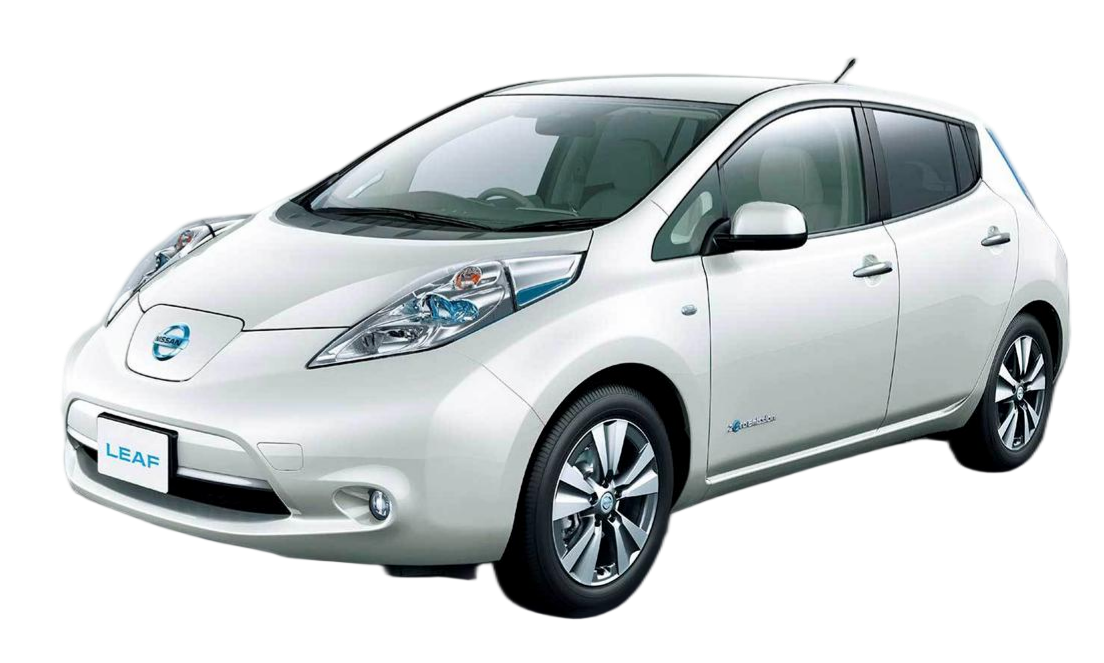
Winter is coming. For electric vehicle (EV) owners, this season often brings a unique anxiety: the “range drop.” As temperatures plummet, lithium-ion batteries—while incredibly efficient—experience a natural reduction in performance. If you drive a Nissan Leaf or e-NV200, you might have noticed your dashboard range shrinking faster than snow on a radiator.
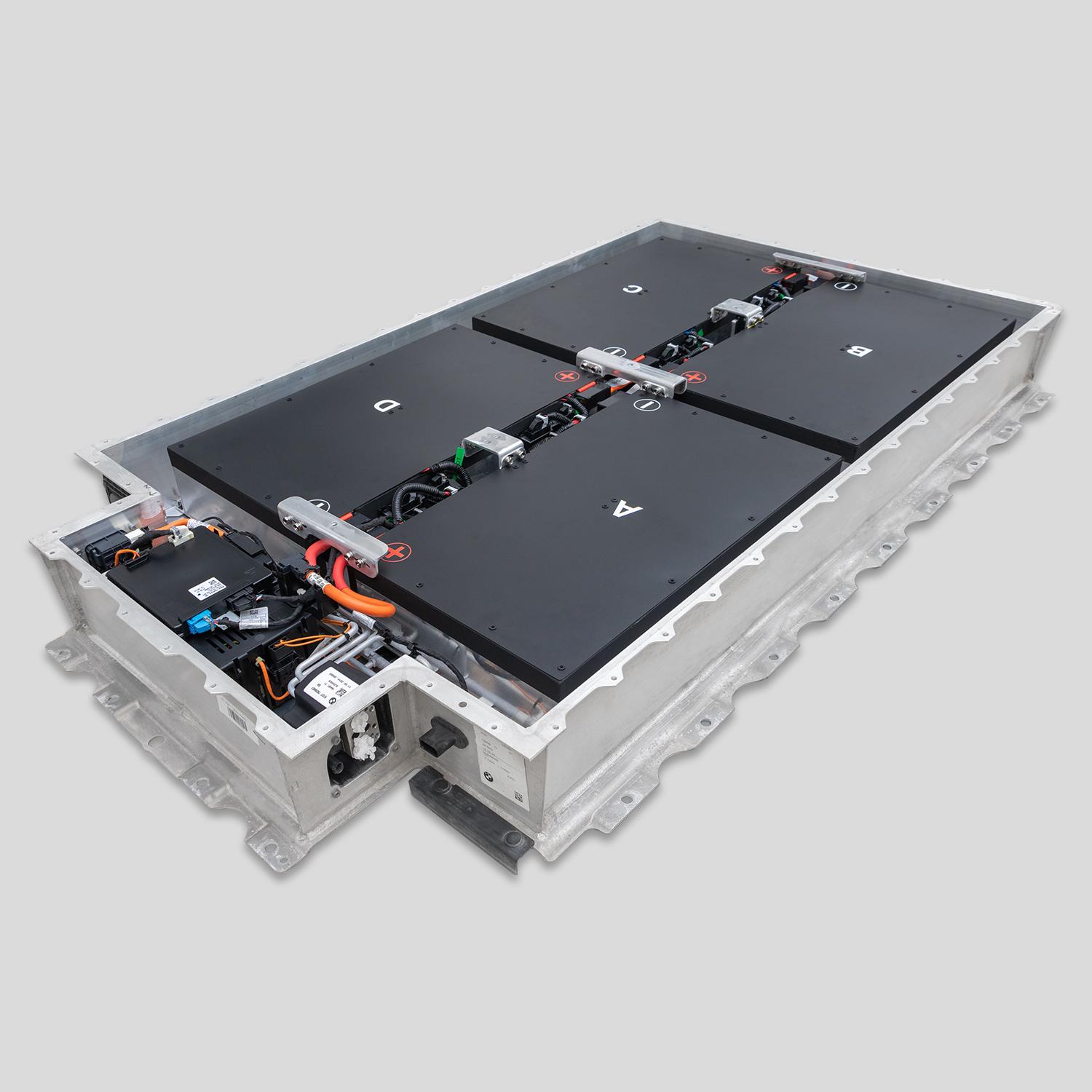
At CNS BATTERY, we understand this challenge intimately. As a leading manufacturer specializing in high-performance lithium-ion power batteries for Nissan and BMW vehicles, we don’t just sell batteries; we engineer solutions for real-world conditions. Our Original factory standard R&D ensures that our batteries possess superior durability and safety, even when the mercury dips.
This handbook is designed to be your comprehensive resource for conquering winter roads. We will guide you through the science of cold-weather performance and provide actionable tips to keep your CNS battery (or any EV battery) operating at its peak.
❄️ Why Does Cold Weather Affect My EV Range?
Before we dive into the solutions, it is crucial to understand the problem. When the temperature drops below 20°C (68°F), the electrolyte solution inside lithium-ion batteries thickens. This increases internal resistance, making it harder for ions to move between the anode and cathode.
This phenomenon results in two primary issues:
- Reduced Usable Capacity: You might see a 10-20% drop in range simply due to the chemical slowdown.
- Increased Energy Consumption: Heating the cabin and defrosting windows requires significant energy, often drawing more power than the motor itself in extreme cold.
Expert Insight: While all EVs experience this, a high-quality battery with a robust Battery Management System (BMS) can mitigate these losses significantly. Our CNS batteries utilize brand-new CATL cells, ensuring maximum energy density and thermal stability to fight back against the cold.
🔋 The CNS BATTERY Advantage in Winter Conditions
When you choose a CNS replacement or upgrade battery, you are not just buying cells; you are investing in a system designed for resilience. Here is how our technology combats winter challenges:
1. Superior Thermal Management
Our batteries are engineered with advanced thermal management systems. This ensures that even in sub-zero temperatures, the cells maintain an optimal operating temperature. Unlike refurbished or low-quality packs that might lack proper insulation, CNS batteries prevent the electrolyte from freezing, ensuring consistent power delivery.
2. High-Quality Cell Chemistry
We utilize brand-new, original battery cells from industry leaders like CATL. These cells have a higher tolerance for low temperatures compared to degraded or recycled cells. This means you retain more of your rated capacity when driving through a snowstorm.
3. Intelligent BMS Programming
Our BMS doesn’t just monitor voltage; it adapts. In cold weather, it manages the charging and discharging curves to prevent lithium plating (a process that permanently damages batteries during fast charging in the cold). This intelligence ensures your battery survives the winter without long-term damage.
🛠️ Practical Winter Driving Tips for Nissan Leaf & e-NV200 Owners
Owning a CNS battery gives you a head start, but your driving habits are equally important. Here are our top tips for surviving the winter:
🔌 Pre-Conditioning is Key
Do not wait until you get in the car to warm it up.
- Strategy: Use your car’s timer or app to start charging (or simply turn on the system) while the car is still plugged in. This warms the battery using grid power, not your precious battery range.
- Benefit: Your cabin will be warm, and your battery will be at peak efficiency before you even unplug.
⚡ Manage Your Charging Habits
Charging in the cold requires caution to protect the battery’s lifespan.
- Avoid 100% State of Charge (SoC) for Daily Use: While CNS batteries can handle a full charge, we recommend setting your daily charge limit to 80-90% in winter. This reduces stress on the cells.
- Slow Down the Amps: If you have a Level 2 charger, consider reducing the charging amperage slightly on extremely cold nights. This gentler charge is kinder to the chemistry.
⚙️ Regenerative Braking Adjustments
You might notice your regen braking is weaker in winter. This is a safety feature to prevent the wheels from locking up on slippery surfaces due to the sudden torque reversal of regenerative braking.
- Tip: Be prepared for longer coasting distances. Drive with extra following distance and use the brake pedal earlier than usual.
🛡️ Maintenance Checklist: Preparing Your EV for the Freeze
Before the first snowflake falls, run through this quick checklist to ensure your CNS battery and vehicle are ready:
| Task | Priority | Reason |
|---|---|---|
| Tire Pressure Check | High | Cold air reduces tire pressure. Under-inflated tires increase rolling resistance, killing your range. |
| Wiper & Fluid | High | Use winter-grade washer fluid that won’t freeze on your windshield. |
| Cabin Pre-Heating | Medium | Schedule it to run while plugged in to preserve range. |
| Battery Health Check | High | Ensure your BMS is reporting all cells as healthy. |
🛒 Ready to Experience Unbeatable Reliability?
Winter driving shouldn’t be a gamble. With a CNS BATTERY, you get more than just a power source; you get peace of mind backed by Original factory standard R&D and a commitment to ultimate safety.
Whether you drive a Nissan Leaf ZE0, ZE1, AZE0, or an e-NV200, our batteries are designed to provide the long battery life and performance you need, regardless of the weather outside.
Don’t let the cold slow you down. Explore our range of high-performance lithium-ion solutions and see why thousands of EV owners trust CNS to keep them moving.
👉 Get a Free Custom Quote for Your Vehicle Now
❓ Frequently Asked Questions (FAQ)
Q1: How much range will I lose in the winter?
A: Most EVs, including those with CNS batteries, will experience a 10% to 30% reduction in range in cold weather (below 0°C / 32°F). This is normal due to increased air resistance, thicker lubricants, and cabin heating. However, pre-conditioning your battery while plugged in can significantly minimize this loss.
Q2: Is it safe to charge my CNS battery in freezing temperatures?
A: Yes, it is safe, but we recommend charging while the car is in a garage if possible. If charging outside, ensure you use a grounded outlet. Our BMS will prevent charging if the cells are too cold to avoid damage. If your battery is frozen solid, do not attempt to charge it; allow it to thaw in a warmer environment first.
Q3: What is the warranty on CNS batteries for winter use?
A: We stand by our quality. All CNS Automotive Batteries come with a minimum 2-year / 80,000 km warranty (whichever comes first). This comprehensive policy covers defects in materials and workmanship, including protection against performance degradation, ensuring your battery maintains at least 70% capacity over the warranty period.
Q4: Can I install a CNS battery myself during winter?
A: While our batteries are designed for plug-and-play installation, we recommend performing the swap in a warm, dry garage. Handling heavy battery packs on icy surfaces is dangerous, and cold temperatures can make plastic casing brittle. If you need assistance, our technical support team offers video call guidance to help you through the process safely.
Q5: How do I contact CNS BATTERY for technical support?
A: Our team of experts is ready to assist you. You can reach us via email at info@cnsbattery.com or use the contact form on our website. For urgent inquiries, our dedicated consultants respond within 24 hours to ensure your winter driving season is worry-free.