Why Original Nissan 30kWh Batteries Fail Faster Than 24kWh Ones
If you own a Nissan Leaf (specifically the 2013-2015 model years), you might have noticed a frustrating trend: the 30kWh battery packs seem to degrade much faster than the older 24kWh models. This isn’t just anecdotal; it’s a well-documented issue in the EV community. As a professional in the EV battery industry, I’m often asked why this specific generation struggles with longevity.
The short answer lies in the chemistry and thermal management used during that era of production. While the jump from 24kWh to 30kWh offered more range, it came at the cost of durability, especially in warmer climates.
The Chemistry Shift: LMO vs. NMC
To understand the degradation, we need to look at what the batteries are made of.
- The 24kWh Era (2011-2012): These early packs primarily used Lithium Manganese Oxide (LMO) chemistry. While LMO batteries have a lower energy density (meaning the car is heavier for the range it offers), they are renowned for their thermal stability. They handle heat much better than other chemistries, which is the primary enemy of lithium-ion batteries.
- The 30kWh Era (2013-2015): Nissan switched to a blend of LMO and Lithium Nickel Manganese Cobalt Oxide (NMC). NMC offers higher energy density, allowing for that extra 6kWh of capacity in a similar-sized case. However, NMC chemistry is more sensitive to high temperatures.
The Problem: The Nissan Leaf of this generation relied solely on a passive air cooling system. While this works adequately for the heat-tolerant LMO cells (24kWh), it struggles to keep the LMO+NMC blend (30kWh) at a safe temperature during sustained driving or in hot weather. When these cells overheat, the chemical reactions inside accelerate the degradation process, leading to a rapid loss of capacity.
The “Thermal Runaway” in Warm Climates
If you live in a region with hot summers—such as California, Texas, the Mediterranean, or Australia—your 30kWh battery is working against biology (or rather, chemistry).
The passive air cooling system draws in ambient air to cool the battery. In a 24kWh pack, this was often sufficient because the LMO chemistry didn’t generate as much internal heat. However, the 30kWh pack, generating more internal heat due to its chemistry and higher capacity, simply cooks itself in high ambient temperatures.
This creates a vicious cycle:
- The car drives, generating heat.
- The ambient air is already hot.
- The passive system cannot dissipate the heat fast enough.
- The battery cells operate at elevated temperatures for prolonged periods.
- Result: Accelerated calendar aging and capacity fade, often dropping below 80% capacity much faster than the 24kWh counterpart.
The 40kWh+ Redemption
It’s worth noting that Nissan eventually rectified this issue. Starting with the 40kWh and 62kWh models, Nissan introduced active liquid cooling systems. This, combined with purer NMC chemistry managed by better thermal systems, means that modern Leaf batteries do not suffer from the same rapid degradation issues as the 30kWh “transitional” models.
Upgrading to a Modern Solution
If you are currently battling range anxiety due to a failing 30kWh battery, the good news is that you don’t have to stick with the same problematic technology. Many owners are opting to upgrade to modern, high-capacity replacements.
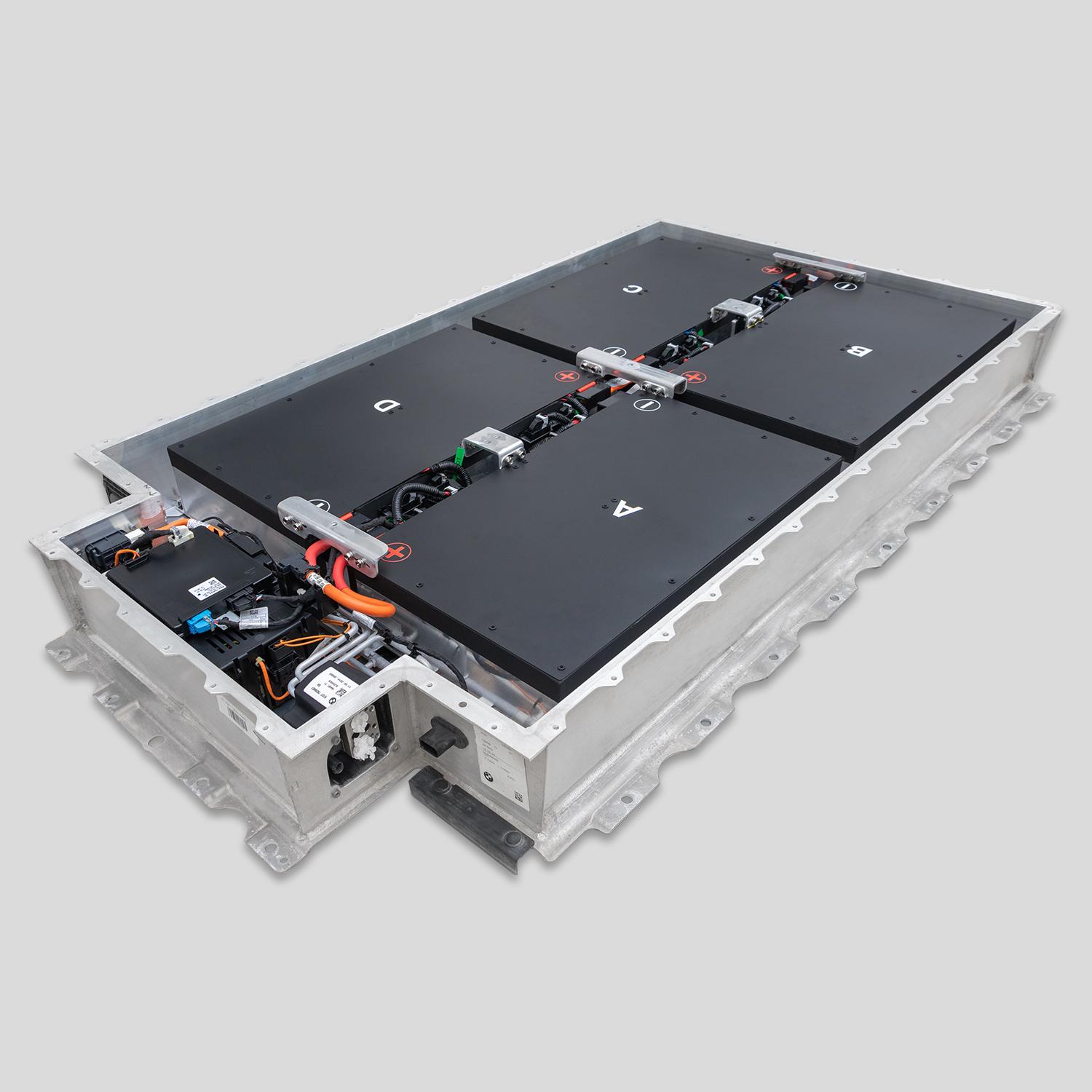
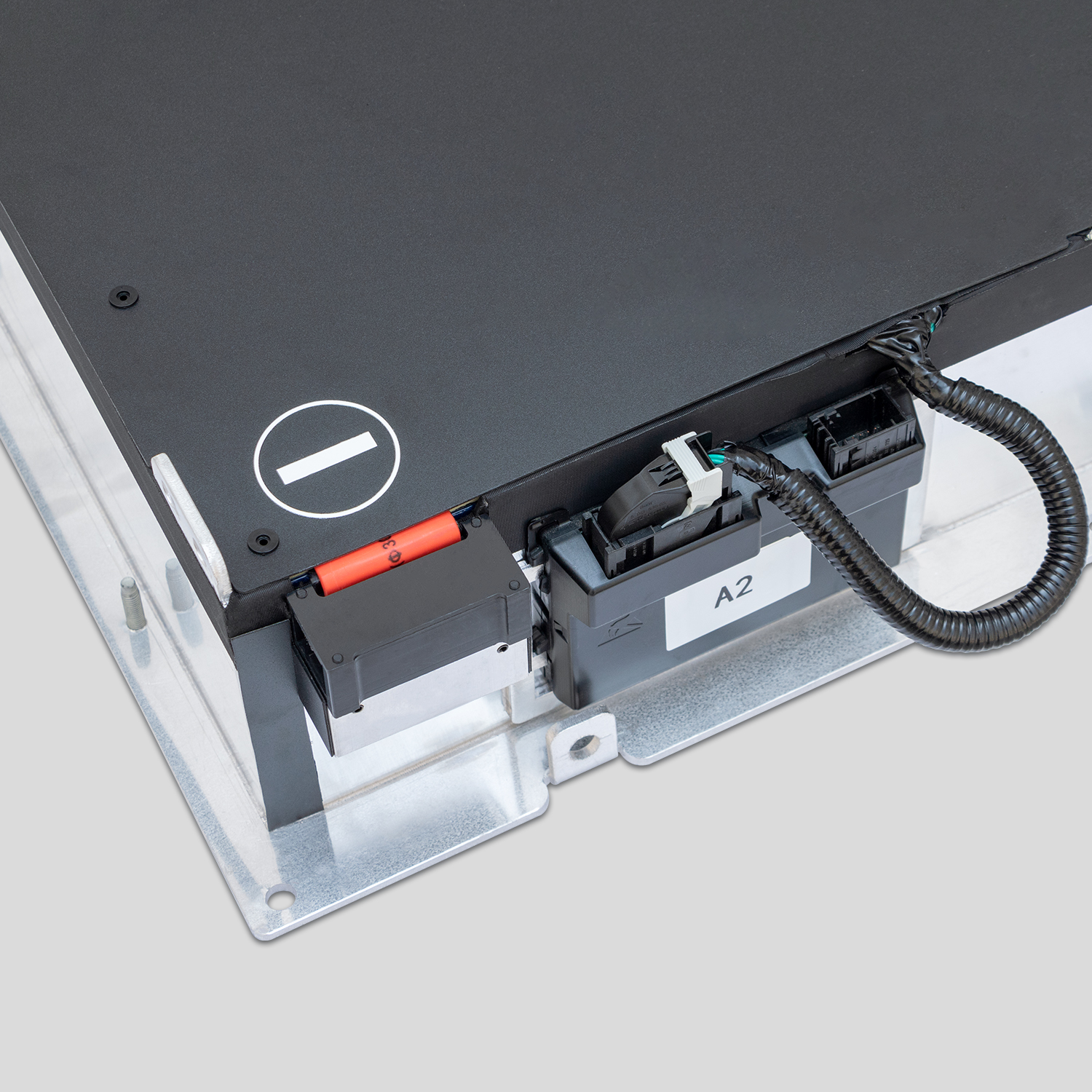
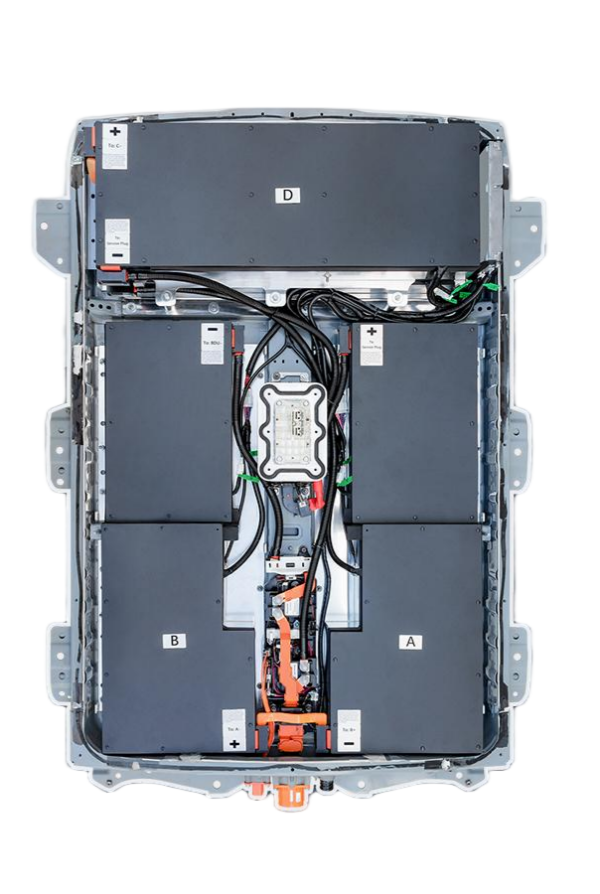
At CNS Battery, we specialize in providing OEM-compatible solutions for Nissan and BMW EVs. We understand the pain points of the 30kWh models, which is why our replacement packs utilize brand-new, high-quality cells (often from suppliers like CATL) paired with advanced Battery Management Systems (BMS).
Our solutions are designed to offer:
- Superior Chemistry: Utilizing modern NMC cells with better thermal profiles.
- Enhanced Safety: Advanced BMS to monitor and protect the cells.
- Longer Lifespan: Built to last significantly longer than the original 30kWh packs.
- Cost Efficiency: Saving you over 50% compared to dealership prices.
Don’t let the limitations of 2013-2015 battery technology hold you back. You can revive your Leaf with a pack that offers better range and reliability than when it was new.
Frequently Asked Questions
1. Is there any way to save my existing 30kWh battery?
While you can try to mitigate further damage by avoiding DC fast charging (which generates more heat) and parking in the shade, the fundamental chemistry and cooling limitations are baked into the hardware. Once significant degradation has occurred, the most reliable solution is a full pack replacement.
2. How much longer will a replacement battery from CNS Battery last?
Our replacement packs are built with brand-new cells and modern specifications. While results vary based on usage and climate, our batteries are engineered to provide a lifespan far exceeding the original 30kWh units, often backed by a 2-year / 80,000 km warranty.
3. Can I upgrade my 30kWh Leaf to a 62kWh pack?
Yes, this is a very popular modification. Our technical team can provide customized solutions to retrofit higher-capacity packs into older chassis. This not only solves the degradation issue but also gives your car a massive range boost.
4. Are these batteries plug-and-play?
Yes. Our Nissan Leaf batteries are designed for direct OEM replacement. They are plug-and-play, meaning they connect directly to your vehicle’s existing harness without any modifications required.
Ready to solve your battery woes? Contact our technical experts now for a free quote and customization assessment.