The Truth About “Battery Rejuvenation” Chemicals: Do They Work?
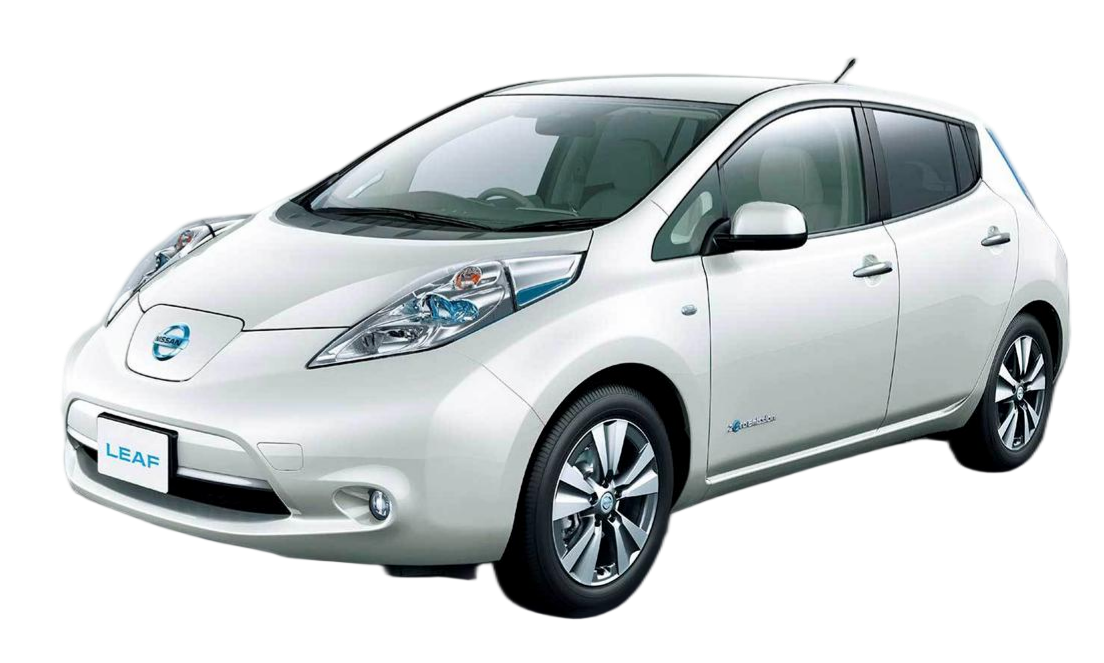
If you own a Nissan Leaf or a BMW i3, you’ve likely seen ads for miracle chemicals or additives promising to “restore” your degraded battery. These products claim to dissolve sulfation, rejuvenate old cells, and bring your range back to 100%—all without the hefty price tag of a replacement.
The short answer? For Lithium-ion (Li-ion) batteries found in modern EVs, these additives are not just ineffective; they are potentially dangerous.
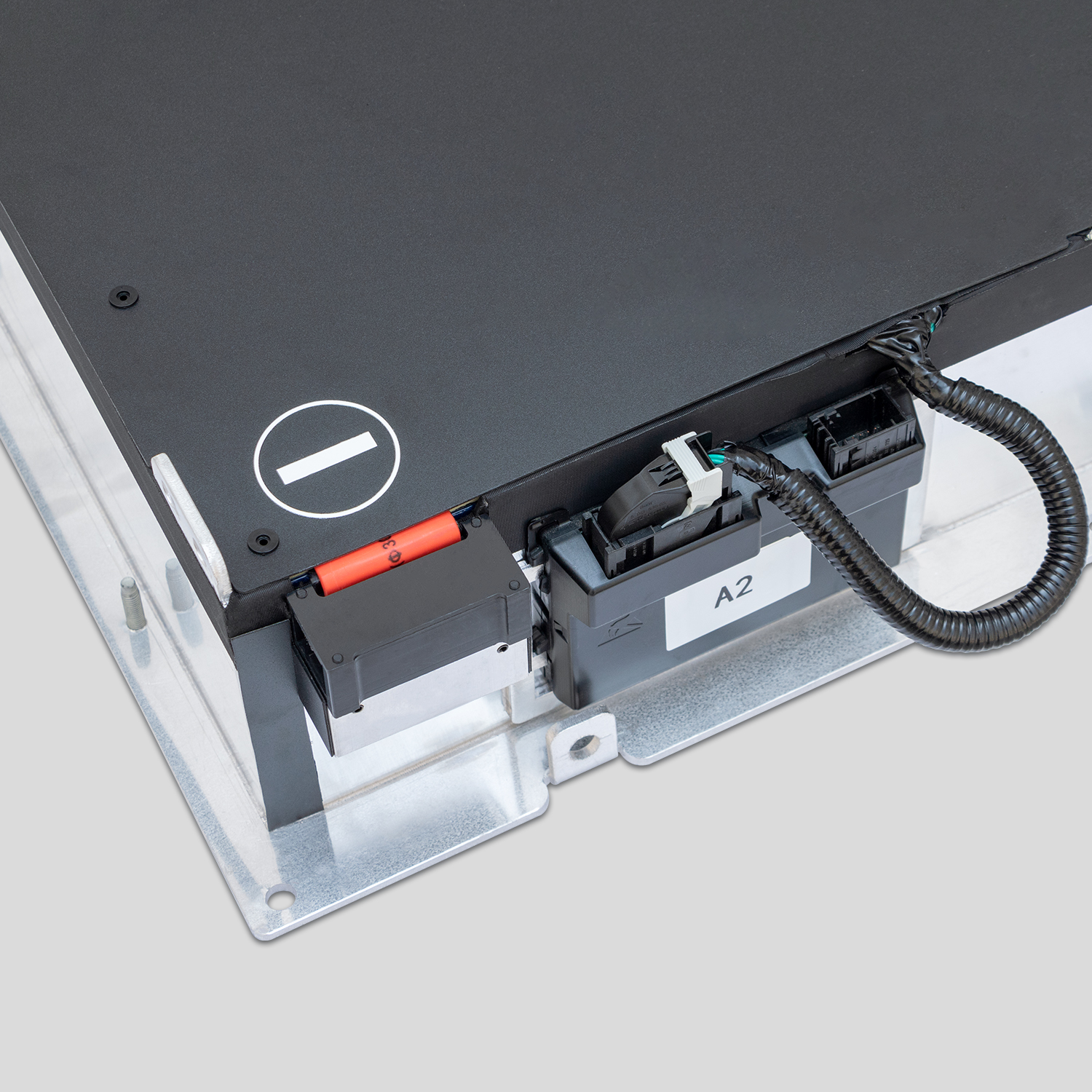
As a leading manufacturer specializing in OEM-compatible Nissan and BMW battery packs, we understand the frustration of range anxiety. However, the only reliable solution for a degraded EV battery is a physical replacement with new, high-quality cells. In this article, we will debunk the myths surrounding battery “rejuvenation” and explain why a new battery pack is the only safe investment for your electric vehicle.
Why Chemical Additives Don’t Work on Lithium-Ion Batteries
The concept of “battery additives” originated in the world of lead-acid batteries (like those in gasoline cars). In lead-acid systems, sulfation (the build-up of lead sulfate crystals) is a common cause of failure, and certain additives can sometimes mitigate this.
However, the chemistry is completely different for Lithium-ion batteries.
- No Sulfation: Lithium-ion batteries do not suffer from sulfation. Their degradation is caused by physical and chemical changes within the electrodes (anode and cathode) and the electrolyte over time and charge cycles.
- Sealed Systems: Modern EV battery packs are hermetically sealed for safety. Tampering with them to inject chemicals is extremely hazardous and voids any remaining warranty.
- Chemical Incompatibility: Adding foreign substances to a Lithium-ion cell can destabilize the electrolyte, leading to thermal runaway (overheating), fire, or permanent cell damage.
Expert Insight: At CNS BATTERY, we utilize brand-new, premium cells from CATL (Contemporary Amperex Technology Co. Limited), the world’s largest lithium battery manufacturer. We don’t rely on chemical tricks; we rely on superior engineering and materials.
The Real Culprits of EV Battery Degradation
If chemicals can’t fix it, what actually causes your Nissan Leaf or BMW i3 battery to lose range?
- Calendar Aging: Lithium-ion batteries degrade slowly even when not in use.
- Cycle Life: Each charge and discharge cycle causes microscopic wear on the electrodes.
- Thermal Stress: Exposure to extreme heat or cold over long periods accelerates degradation.
- Poor BMS Management: An outdated or faulty Battery Management System (BMS) can fail to balance cells properly.
Once a Lithium-ion cell has lost its capacity, it cannot be “recharged” chemically. The only way to regain full performance is to replace the degraded modules or the entire pack.
The Risks of “Quick Fix” Solutions
Purchasing a chemical additive might seem cheaper than a new battery, but it carries significant risks:
- Voided Warranty: Tampering with the battery pack will immediately void any existing manufacturer warranty.
- Safety Hazards: Introducing impurities can cause short circuits, swelling, or fire.
- Permanent Damage: In the best-case scenario, the additive does nothing. In the worst case, it ruins the cells, making a future replacement even more expensive.
The Only Guaranteed Solution: A New Battery Pack
If your EV’s range has dropped significantly (e.g., from 150 miles to 80 miles), the only safe and effective path forward is a replacement.
At CNS, we specialize in providing OEM-compatible, high-performance replacement batteries for Nissan and BMW owners. Unlike “rejuvenation” scams, our solution offers tangible, long-term benefits:
1. Brand-New, Premium Cells
We don’t refurbish or reuse old cells. Every CNS battery pack is assembled using brand-new, Grade-A cells sourced directly from top-tier manufacturers like CATL. This ensures maximum energy density and longevity.
2. Factory-Grade Engineering
Our packs are engineered to meet or exceed original factory standards. We utilize advanced Battery Management Systems (BMS) to ensure perfect cell balancing, thermal management, and communication with your vehicle’s dashboard.
3. Unbeatable Value
While original manufacturer replacements can cost upwards of $16,000, CNS batteries offer the same quality and safety at 50%+ less cost. This isn’t a gamble on a chemical; it’s a direct investment in your car’s future.
4. Comprehensive Warranty
We stand by our product. Every CNS battery comes with a robust 2-year / 80,000 km warranty. This covers defects in materials and workmanship, as well as performance degradation (ensuring your battery maintains at least 70% capacity). No chemical additive comes with such a guarantee.
Real Stories: Why Owners Choose Replacement Over Hype
Don’t just take our word for it. Here are experiences from real owners who chose a reliable replacement over risky shortcuts.
David L. (Nissan Leaf Owner):
“Previously, I tried to save money by replacing my battery with a refurbished one, but it swelled up after only six months. I was considering buying a new car, but a friend recommended CNS BATTERY. After replacing my battery with a 62kWh CNS pack, I realized the difference that brand-new CATL battery cells make! The full charge range is 440km, consistent with the specifications. The 2-year warranty also provides peace of mind.”
Mike’s Auto Service (Repair Shop):
“As a repair shop, we replace EV batteries every month, and CNS is currently our most reliable supplier. Their batteries have excellent compatibility, and they use brand-new CATL cells, resulting in an almost zero failure rate. Customer feedback indicates that the range meets the stated specifications.”
Frequently Asked Questions (FAQ)
Q1: Can I use a “battery reconditioner” on my Nissan Leaf?
A: No. The Nissan Leaf uses Lithium-ion technology. “Reconditioners” or additives are designed for lead-acid batteries and are completely ineffective on Lithium-ion chemistry. Using them can be dangerous and will void your warranty.
Q2: How do I know if my EV battery needs replacing?
A: Common signs include a significant drop in range (e.g., losing 30% or more of your original mileage), the battery gauge dropping rapidly when accelerating, or error messages like “Check Charging System” or “Reduced Power.” A professional diagnostic scan can confirm the State of Health (SOH).
Q3: Are CNS batteries compatible with my specific model?
A: Yes. We specialize in Nissan and BMW models. Whether you drive a Nissan Leaf (ZE0, AZE0, ZE1), Nissan e-NV200, or a BMW i3, we have a direct-fit solution. We offer a free compatibility check—simply provide your VIN or model details.
Q4: What is the warranty on a CNS replacement battery?
A: We offer a 2-year / 80,000 km warranty on all our automotive batteries. This includes coverage for manufacturing defects and ensures your battery maintains at least 70% capacity over the warranty period.
Q5: How long does installation take?
A: For a professional technician, installation typically takes 1-2 hours. The process is designed to be a direct swap (plug-and-play), similar to changing a tire. We provide detailed installation guides and video tutorials to assist with the process.
Stop Gambling on Chemicals, Start Driving with Confidence
Don’t waste your money on unproven chemicals that promise the impossible. If your Nissan or BMW EV battery is failing, the only safe and effective solution is a replacement with a high-quality, new battery pack.
CNS BATTERY is committed to helping you extend your vehicle’s range and improve safety with reliable, OEM-standard technology. With significant cost savings compared to the original manufacturer and a robust warranty, you have nothing to lose.
Ready to revive your EV? Get your free, no-obligation quote today.