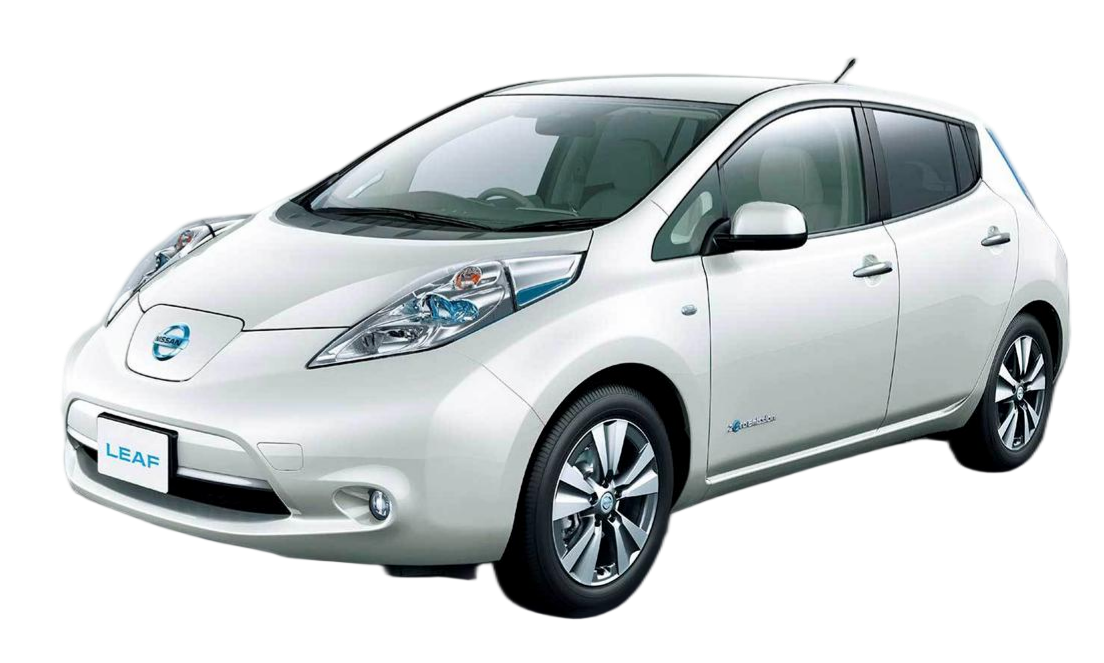
🛑 Is Your 2017 Nissan Leaf Range Dropping? Here Is The Fix
Owning a 2017 Nissan Leaf means you’re part of the electric vehicle revolution. However, as your car approaches its 9th birthday (or 2026 in our timeline), you might be noticing a frustrating reality: the range drop. What used to be a comfortable 150-170 km (EPA) on a full charge might now be struggling to hit 100 km, especially in colder weather.
Don’t let battery degradation ground your car. As a Nissan Leaf battery expert, I’m here to tell you that your Leaf doesn’t have to go to the scrapyard. The solution is replacing the old, degraded pack with a new, high-performance unit.
🔋 Why Does The 2017 Nissan Leaf Lose So Much Range?
Before we talk about solutions, let’s understand the “why.” The 2017 Leaf was available in two main battery variants: the 30 kWh (ZE0) and the 40 kWh (later models or specific markets).
After nearly a decade of use, the lithium-ion cells in these packs suffer from calendar aging and cycle aging. This means:
- Capacity Fade: The chemical components degrade, reducing the total energy the battery can hold.
- Increased Internal Resistance: This makes the battery less efficient, causing it to heat up and drain faster under load.
If you’re seeing only 8-9 bars of capacity left on your dashboard (down from 12), your battery has likely degraded by 30% to 40%. While Nissan’s original replacement cost can exceed $12,000 to $16,000, there is a smarter, more affordable path to restoring your car’s “second life.”
🚀 The Ultimate Solution: Upgrading To A New 62 kWh Battery
The best way to fix the range drop on a 2017 Nissan Leaf isn’t just a patch job; it’s a complete transformation. Instead of replacing the old 30/40 kWh pack with another outdated unit, the industry standard for a “Leaf second life” is an upgrade to a 62 kWh lithium battery pack.
Why is this the gold standard?
- Double The Fun: You go from a degraded 30 kWh (or a fresh 40 kWh) to a massive 62 kWh. This instantly restores your range to near-new levels or even better.
- New Technology: Modern replacement packs, like those from CNS, utilize brand-new CATL cells. These are significantly safer and more efficient than the cells used in 2017.
- Cost-Effective: You are not paying the premium of a new car battery. You are getting a new, high-quality aftermarket solution at a fraction of the cost.
Expert Insight: As an expert in EV conversions, I always recommend the 62 kWh upgrade for ZE0/ZE1 owners. It’s not just about fixing the range drop; it’s about future-proofing your vehicle. The performance difference is night and day.
🛠️ What To Expect: Installation & Compatibility
You might be worried about the complexity of the swap. Don’t be. The 2017 Leaf (ZE0/ZE1 chassis) is one of the most standardized EV platforms in the world.
- Plug-and-Play Design: A high-quality replacement battery is designed as a direct OEM replacement. The connectors, dimensions, and mounting points are identical to the factory unit.
- Installation Time: For a professional mechanic, this is typically a 1-2 hour job. It involves lifting the car, disconnecting the old pack, removing it, and bolting in the new one.
- BMS Programming: A crucial step is programming the Battery Management System (BMS). Reputable manufacturers provide detailed video guides or remote support to ensure your car recognizes the new pack instantly.
Real User Experience:
Take Mark T. from California, a 2015 Leaf owner (same chassis as your 2017 model). He upgraded from a degraded 40 kWh to a CNS 62 kWh pack. The process was simple: he uploaded his VIN for a compatibility check, received the battery, and installed it in about 2 hours using the video guide. The result? His range jumped from a struggling 120 km back to a solid 430 km.
⚖️ Making The Choice: Refurbished vs. New vs. Original
When searching for a fix, you’ll encounter three main options. Let’s break down the pros and cons to help you make the best decision for your 2017 Leaf.
| Option | Cost Estimate | Longevity | Risk Factor | Best For… |
|---|---|---|---|---|
| Refurbished/Used | $$ | Low | High | Short-term fixes or very tight budgets. Often fail within 6-12 months. |
| New Original (OEM) | $$$$$ | High | Low | Deep-pocketed owners who want the factory badge (but pay a massive premium). |
| New Aftermarket (e.g., CNS) | $$$ | High | Low | Smart owners. New cells, OEM specs, 50%+ savings, extended warranty. |
The Verdict: For a 2017 Leaf, choosing a brand-new aftermarket pack is the only logical choice. You get brand-new, high-quality cells (like CATL) without the exorbitant factory markup.
💰 The Value Proposition: Saving Money Without Sacrificing Quality
Let’s talk numbers. Replacing your battery with a new OEM unit could cost upwards of $15,000. For many, this is more than the car is worth.
A premium aftermarket solution, however, offers the same safety and performance standards at roughly 50% less. You are essentially buying a brand-new battery pack built to OEM specifications, but without the brand premium.
Key Advantages of a New Pack:
- Ultimate Safety: New cells eliminate the risk of thermal runaway associated with old, degraded packs.
- Extended Warranty: Unlike a used battery (sold as-is), a new pack comes with a solid warranty (e.g., 2 years / 80,000 km).
- Faster Charging: New chemistry often supports better charging curves than the 2017 original hardware.
❓ Frequently Asked Questions (FAQ)
Q1: Will a new 62 kWh battery fit my 2017 Leaf perfectly?
Yes. The chassis for the Nissan Leaf (ZE0, ZE1, AZE0) has remained largely unchanged. A professionally manufactured 62 kWh pack is a direct bolt-in replacement. It uses the same connectors and mounting points as the original factory battery.
Q2: How much range will I actually get after the upgrade?
While the official specs might advertise 440 km, real-world usage is typically slightly lower. Most 2017 Leaf owners who upgrade to a 62 kWh pack report a consistent real-world range of 400-430 km. This is a massive improvement over the degraded 100-120 km you are likely experiencing now.
Q3: Is the installation difficult? Can I do it myself?
The physical installation is straightforward mechanics (unbolting and bolting), taking about 1-2 hours. However, the electronic integration (BMS programming) requires specific knowledge. While DIY is possible with video guides, we highly recommend having a certified mechanic handle the installation to ensure warranty validity and safety.
📩 Ready To Restore Your Range?
Don’t let battery degradation limit your driving. Your 2017 Nissan Leaf has years of life left in its chassis; it just needs a new heart.
If you’re ready to fix the range drop and get back on the road with confidence, contact our technical experts today. We offer free compatibility checks and personalized quotes to get your Leaf back to its full potential.