How Fleet Managers Can Save Money on Nissan Leaf Battery Swaps
If you manage a fleet of Nissan Leaf or e-NV200 vehicles, you know that battery degradation is the single biggest threat to your operational budget. As batteries age, range anxiety becomes a real logistical nightmare, and replacing them with OEM (Original Equipment Manufacturer) units often costs upwards of $16,000 per vehicle—a price tag that can cripple a fleet’s ROI.
The good news is that there is a smarter, more sustainable path. By switching to high-quality aftermarket solutions, specifically those utilizing brand-new CATL cells, fleet managers can cut their replacement costs by more than 50% while actually improving their vehicle performance.
Based on our experience working with repair shops and commercial operators, here is a comprehensive guide on how to optimize your Nissan Leaf battery swap strategy.
Why OEM Replacement is a Budget Killer
Before diving into the savings, let’s look at the problem. Most fleet managers initially look at the dealer or Nissan’s official channels for a “like-for-like” replacement.
- The Cost Trap: Replacing a Nissan Leaf 40kWh battery with an OEM unit typically costs between $12,000 and $16,000. For a fleet of 10 cars, that’s a $160,000 bill.
- The Used Market Risk: Many turn to the used market to save money, purchasing recycled or refurbished modules. However, these are often salvaged from crashed cars or severely degraded units. The risk of swelling, sudden death, or mismatched capacity is high, leading to frequent downtime and “false savings.”
The Fleet Manager’s Solution: New CATL Cells at Half the Price
The optimal strategy for 2026 is to bypass both the expensive OEM and the risky used market. Instead, opt for a New CATL Cell Retrofit.
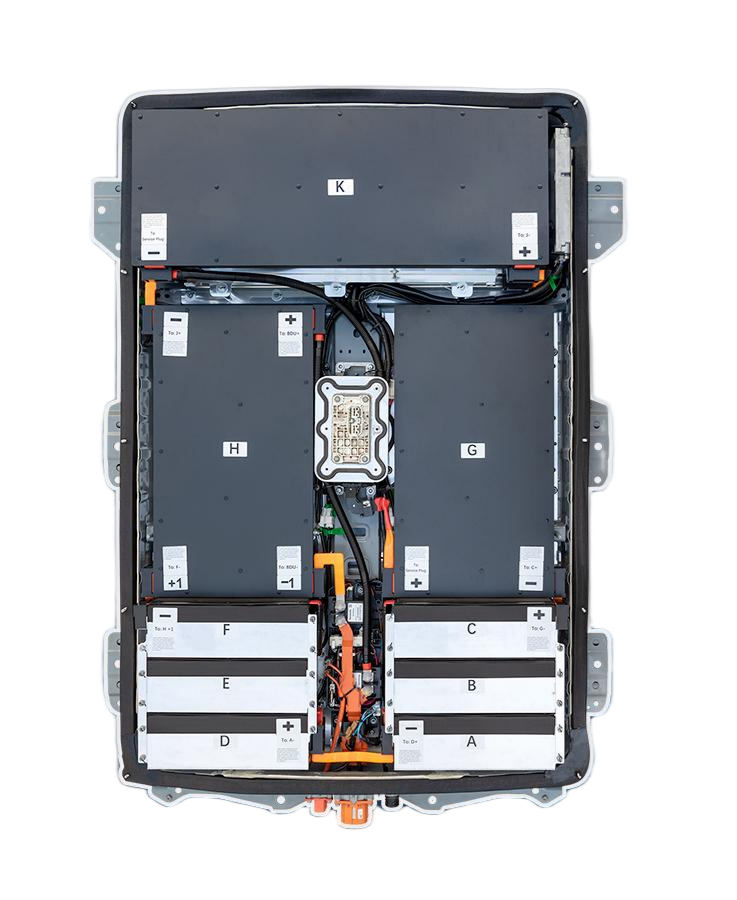
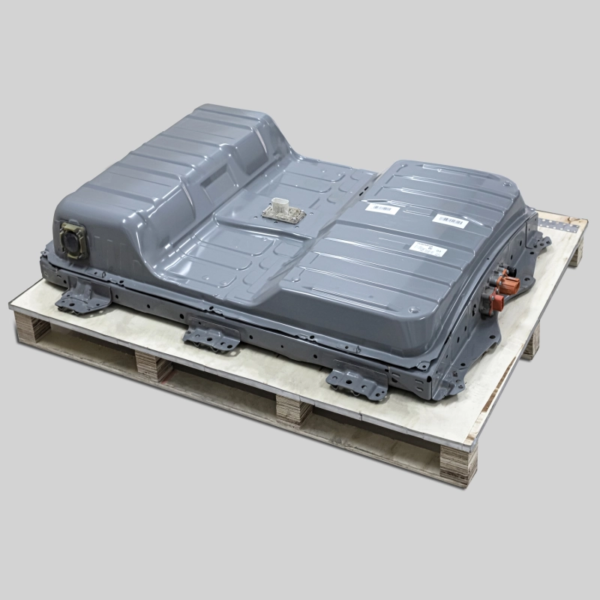
CNS BATTERY specializes in manufacturing complete battery packs and modules specifically designed for Nissan Leaf (ZE0, ZE1, AZE0) and e-NV200 models. Unlike recycled packs, these utilize brand-new, top-tier cells sourced directly from CATL (Contemporary Amperex Technology Co. Limited), the world’s largest battery manufacturer.
1. Slash Your CapEx by 50%
This is the most immediate impact on your bottom line. By choosing a direct-from-manufacturer solution, you remove the dealership markup and the “brand premium.”
| Cost Comparison | Price Range (Per Unit) | Risk Level | Performance |
|---|---|---|---|
| OEM (Nissan) | $14,000 – $16,000 | Low (New) | Standard |
| Used/Refurbished | $3,000 – $5,000 | High (Degraded cells) | Unpredictable |
| CNS BATTERY (New CATL) | $7,500 – $8,500 | Low (Brand New) | Superior |
By switching to this model, a fleet manager can save approximately $7,000 per vehicle compared to OEM, without the gamble of used parts.
2. Upgrade Capacity, Not Just Replace It
Here is where the real magic happens for fleet efficiency. You don’t have to stick with the original capacity your car came with.
Most older Leafs (2011-2017) came with 24kWh or 30kWh packs. Instead of replacing like-for-like, you can upgrade to a 62kWh pack.
- The Result: Your vehicle’s range jumps from a dismal 70-80 miles to over 200 miles.
- The Impact: Fewer charging stops per day mean your drivers can complete more routes. One fleet manager reported that after upgrading his e-NV200 vans to 50kWh packs, his team went from charging twice daily to charging just once weekly.
3. Eliminate Downtime with Plug-and-Play Design
Fleet managers hate downtime. The complexity of a battery swap can take a car out of service for days. CNS BATTERY solutions are designed for OEM compatibility.
- No Rewiring: The connectors, brackets, and BMS (Battery Management System) are engineered to match the original factory specifications.
- Faster Turnaround: Technicians report that the installation takes roughly 1-2 hours. This means your car is back on the road generating revenue the same day.
Pro Tip: Before ordering, utilize a VIN compatibility check. This ensures the physical dimensions and voltage of the new pack match your specific Leaf model (ZE0 vs ZE1 have different chassis mounts). A simple email to the manufacturer’s technical team can prevent a costly logistical error.
Why New CATL Cells Outperform Recycled Batteries
As an expert in the EV battery space, I often get asked: “Why not just buy a used pack for $2,000?”
The answer lies in the State of Health (SOH). A recycled pack is already on the downward slope of its lifespan. Brand-new CATL cells, however, offer a fresh start.
- Zero Cycle History: Brand-new cells start at 100% health. You are not paying for the previous owner’s degradation.
- Safety: Recycled modules often suffer from “imbalance.” If one module in a pack is weaker than the others, it can overheat or swell. New modules are perfectly matched at the factory.
- Warranty Security: Cheap used packs come with no warranty. A reputable manufacturer like CNS offers a 24-month / 80,000 km warranty. This is crucial for fleet accounting, as it covers you against defects and premature degradation.
Real-World Fleet Case Study: Vancouver Logistics
To illustrate the value, let’s look at a real-world example from Mike’s Auto Service in Vancouver, a shop that handles fleet maintenance:
- The Challenge: A local delivery company had 5 Nissan Leaf ZE0s with dead batteries. The OEM quote was $15,000 per car.
- The Solution: They opted for CNS BATTERY 62kWh packs.
- The Outcome:
- Cost Saved: Over $35,000 on the initial purchase.
- Range: Jumped from 100km to 430km, allowing drivers to cover suburban routes they previously couldn’t.
- Reliability: After 10 months of heavy use, the packs showed zero degradation and no failures.
Action Plan for Fleet Managers
If you are ready to cut your battery costs and revitalize your fleet, follow these steps:
- Audit Your Fleet: Identify which models you have (Leaf ZE0, ZE1, or e-NV200) and their current battery state.
- Calculate the ROI: Compare the $16,000 OEM cost vs. the $8,000 aftermarket cost. Factor in the increased range (more work per charge) as a positive ROI driver.
- Get a Compatibility Check: Don’t guess. Send your VIN numbers to the technical team to confirm the exact fitment.
- Negotiate Bulk Pricing: If you have more than 3 vehicles, contact the manufacturer directly for a bulk discount.
By choosing a high-quality, new-cell solution, you are not just repairing a car; you are upgrading it to outperform its original factory specifications at half the cost.
Ready to save your fleet thousands? Get a free, no-obligation quote today and see how much you can save on your Nissan Leaf or e-NV200 battery swap.
Frequently Asked Questions (FAQ)
Q: Is it safe to install a non-OEM battery on a Nissan Leaf?
A: Yes, provided you use a reputable manufacturer that adheres to OEM standards. Look for packs that use brand-new CATL cells and come with a comprehensive warranty (like the 2-year warranty offered by CNS). These packs are engineered to fit the chassis and electrical system perfectly, ensuring safety and reliability.
Q: How long does the installation take?
A: For a professional technician, the installation typically takes 1-2 hours. The process is designed to be plug-and-play, meaning the connectors and mounting points match the original factory design, minimizing downtime for your fleet.
Q: Will this void my vehicle’s warranty?
A: While installing an aftermarket part generally affects the specific component’s warranty, it does not automatically void the entire vehicle warranty. Reputable manufacturers provide their own warranty on the battery pack. It is recommended to discuss the specific installation with your technical consultant to ensure compliance with local regulations.
Q: What payment and shipping options are available for large fleets?
A: Manufacturers like CNS BATTERY support international sales and offer DDP (Delivered Duty Paid) services. For large fleet orders, it is best to contact the sales team directly to discuss bulk pricing, contract signing, and customized shipping solutions (including air freight for urgent needs or sea freight for cost savings).