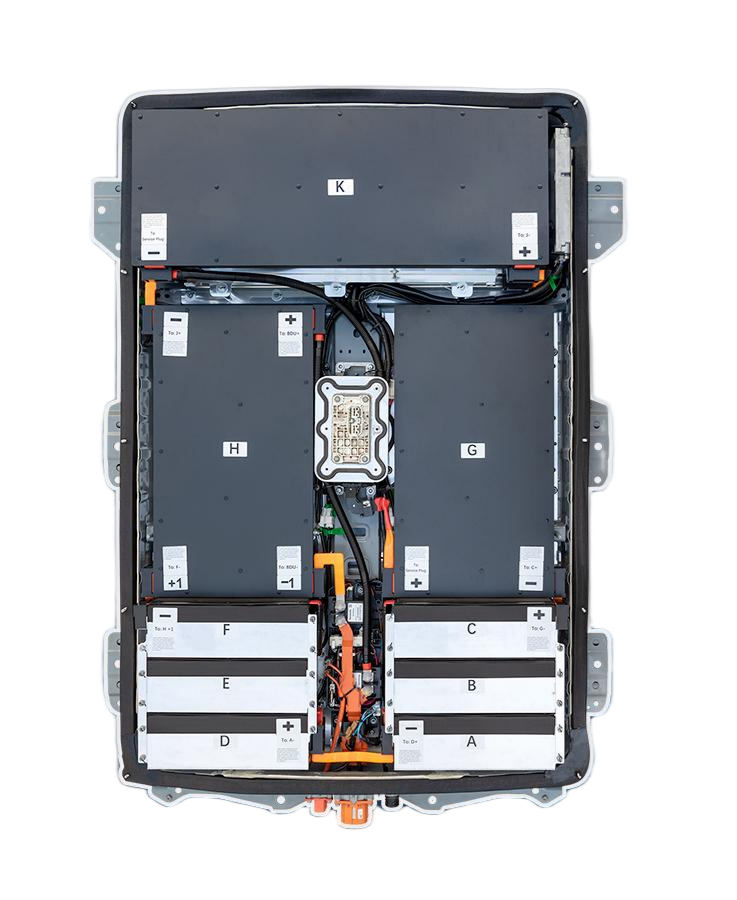
Top 10 Reasons to Upgrade Your Nissan Leaf to a 68kWh Battery
If you are driving a Nissan Leaf and feeling the limitations of range anxiety, it might be time to consider a game-changing upgrade. While the standard 40kWh and 62kWh options are reliable, there is a hidden gem in the EV battery market: the 68kWh lithium battery pack.
As an expert in electric vehicle powertrains, I have analyzed the data, and the verdict is clear. Upgrading to a 68kWh battery is not just about adding more cells; it is about transforming your daily commute and weekend adventures. This article explores the top 10 reasons why this specific upgrade is the smartest investment you can make for your Leaf.
1. Unmatched Range Extension
The most immediate benefit is the sheer distance you can travel on a single charge. While a standard 40kWh battery might give you around 150-180km (93-112 miles) in real-world conditions, upgrading to a 68kWh lithium battery pack significantly boosts your range.
Based on user data and real-world testing, drivers report achieving up to 470km (292 miles) on a full charge. This eliminates the “range anxiety” that plagues older EV models and allows you to tackle long road trips with confidence, rivaling the range of many modern electric vehicles.
2. Superior Cost-Per-Kilowatt Efficiency
When evaluating EV upgrades, the price tag is often the first hurdle. However, a cost-benefit analysis reveals that the 68kWh option offers the best value.
Compared to purchasing a brand-new electric vehicle, which can cost upwards of $30,000 USD, upgrading your existing Leaf with a 68kWh pack is drastically cheaper. You are essentially getting the range of a new car for roughly 50% of the price of an OEM (Original Equipment Manufacturer) replacement battery. This upgrade maximizes your return on investment by extending the life of your current vehicle without the massive depreciation hit of buying new.
3. Enhanced Performance and Acceleration
More energy storage translates to better performance. The 68kWh packs, especially those utilizing high-quality cells from manufacturers like CATL, provide a smoother and more responsive driving experience.
Users have reported that the increased capacity allows for more consistent power delivery. This means better acceleration off the line and sustained power during highway overtaking maneuvers. It turns your practical daily driver into a surprisingly fun car to pilot on winding roads.
4. Future-Proofing Your Vehicle
Technology evolves rapidly. By installing a 68kWh pack, you are not just fixing a current problem; you are future-proofing your car.
This capacity is compatible with modern charging infrastructure and software updates. As public charging networks expand and charging speeds increase, having a larger battery ensures your Leaf remains relevant and usable for the next 5-10 years, protecting you from the obsolescence that often affects older EV models.
5. Environmental Sustainability
Upgrading your battery is the ultimate form of recycling. Instead of scrapping a car that still has a functional chassis, motor, and interior, you are giving it a new heart.
By choosing a 68kWh lithium battery pack, you significantly reduce your carbon footprint. Manufacturing a new car produces a massive amount of CO2. By refurbishing your existing Leaf, you are making an eco-conscious decision that conserves raw materials and energy.
6. Plug-and-Play Compatibility
One of the biggest fears when upgrading is complex installation. Fortunately, modern 68kWh solutions are designed with OEM standards in mind.
These batteries are engineered for perfect interface matching. This means they often feature the same voltage, connectors, and physical dimensions as the original packs. For many Nissan Leaf models (such as the ZE0, ZE1, and AZE0 series), this results in a “plug-and-play” experience. There is no need for extensive modifications to the car’s body or wiring harness, making the upgrade process safe and straightforward.
7. Access to Premium Cell Technology
When you upgrade, you are not limited to the technology that was available when your car was manufactured.
The 68kWh packs available today utilize the latest brand-new, high-density lithium cells. These cells offer superior thermal management, longer cycle life, and higher energy density compared to the older generations found in early Leafs. You are essentially upgrading the internal hardware of your car to current industry-leading standards.
8. Improved Resale Value
An upgraded Leaf holds its value much better than a standard one.
If you decide to sell your car in the future, a Leaf equipped with a 68kWh battery is a rare and desirable commodity. Potential buyers are willing to pay a premium for a car that offers nearly 500km of range. This upgrade turns your vehicle from a depreciating asset into a high-demand product in the used EV market.
9. Reliability and Peace of Mind
Reliability is paramount when it comes to EV batteries. The latest 68kWh solutions come equipped with advanced Battery Management Systems (BMS).
These systems provide real-time monitoring of cell health, temperature, and voltage. They prevent overcharging, deep discharging, and thermal runaway. With features like these, drivers can enjoy “peace of mind” knowing their upgraded battery is safer and more reliable than the original pack that may have degraded over time.
10. Expert Support and Warranty
Finally, the support ecosystem for this upgrade is robust.
Reputable suppliers offer comprehensive warranties, such as a 24-month or 80,000km guarantee, which often surpasses the coverage offered by original manufacturers for replacement parts. Furthermore, dedicated technical teams provide support for compatibility checks (using your VIN) and installation guidance, ensuring a seamless transition to your upgraded driving experience.
Frequently Asked Questions (FAQ)
Q1: Is the 68kWh battery compatible with my Nissan Leaf model?
A: Compatibility depends on your specific Leaf generation. The 68kWh upgrade is commonly available for the Nissan Leaf ZE0, ZE1, and AZE0 series. To ensure a perfect fit, it is crucial to verify compatibility using your Vehicle Identification Number (VIN) with the battery supplier before purchasing.
Q2: How long does the installation take?
A: For a professional technician, the installation of a plug-and-play 68kWh pack typically takes 1 to 2 hours. The process involves disconnecting the old battery, removing the mounting brackets, installing the new pack, and running a system diagnostic. Many suppliers provide detailed video tutorials and remote support to assist with the BMS programming if needed.
Q3: What is the real-world range I can expect?
A: Real-world range varies based on driving conditions, temperature, and driving style. However, most drivers report achieving approximately 400km to 470km (250 to 290 miles) on a full charge with a 68kWh pack. This is a significant improvement over the 150-240km range of the original 24kWh or 40kWh batteries.
Q4: Are these batteries safe?
A: Yes. Modern 68kWh lithium battery packs utilize high-quality, brand-new cells (such as those from CATL) and are equipped with advanced Battery Management Systems (BMS). These systems prevent overheating, overcharging, and short circuits, ensuring the battery meets or exceeds OEM safety standards.
Q5: How much does it cost to upgrade?
A: The cost varies depending on the supplier and region. However, you can generally expect to pay significantly less than the cost of an OEM replacement from a Nissan dealership. Many third-party solutions offer these upgrades for roughly 50% of the OEM price, making it a highly cost-effective alternative to buying a new car.
Ready to Transform Your Nissan Leaf?
Don’t let range limitations hold you back. Upgrading to a 68kWh battery is the most effective way to breathe new life into your electric vehicle.
If you are ready to experience the freedom of long-distance electric driving, Get a Free Custom Quote Now. Our technical experts are available to verify compatibility with your specific model and provide you with a personalized solution.