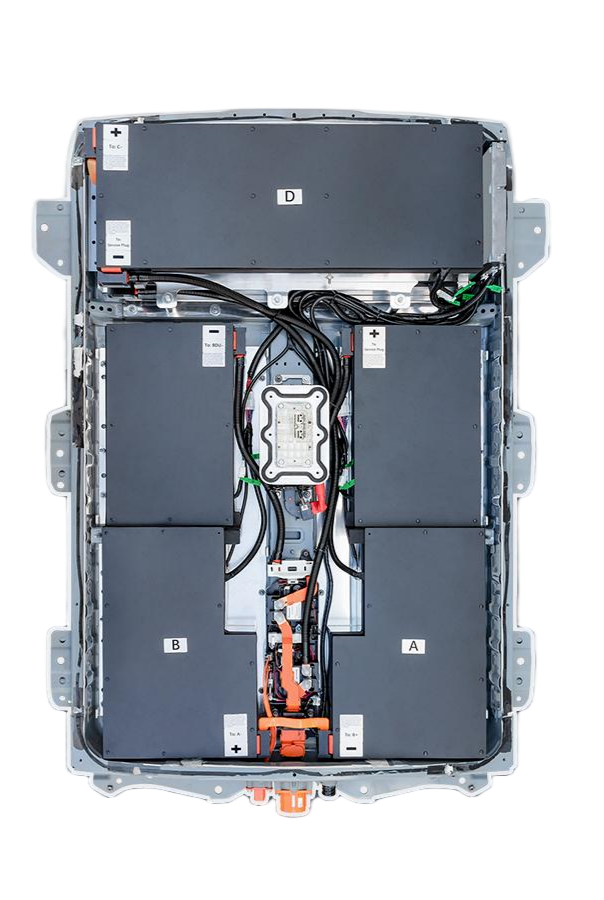
Is a Leaf ZE0 50kWh Fix Worth It? (2026 Review)
The short answer: Yes, but with a crucial caveat. In 2026, upgrading a Nissan Leaf ZE0 (2011-2017 model) is absolutely worth it, but only if you upgrade beyond the stock 24kWh or 30kWh capacity. Simply replacing the degraded battery with the same 24kWh spec is rarely a smart financial move today.
As a battery expert specializing in Nissan and BMW EVs, I have seen thousands of Leaf ZE0 owners stuck in the “battery limbo.” You love your car’s reliability, but the range has dropped to a frustrating 80-100 km (50 miles). The official dealerships want $12,000-$16,000 for a factory replacement. So, is there a middle ground?
The 2026 solution is a “Remanufactured-to-New” upgrade. By installing a 50kWh (or 62kWh) battery pack using brand-new CATL cells, you effectively turn your old Leaf ZE0 into a modern EV with a range of 340+ km (210+ miles).
Here is the breakdown of why a 50kWh fix is the best value in 2026.
The Problem with “Just Fixing” the Old Battery
In 2026, the original ZE0 batteries are 9 to 15 years old. Even if a repair shop “fixes” your old pack, you are dealing with aged hardware.
- Diminished Capacity: Most ZE0 packs have degraded to 60-70% of their original capacity. A “fixed” 24kWh pack might only give you 16-18 kWh of usable energy.
- The “Taxi” Range: With 18 kWh, your real-world range is about 100 km (60 miles). This is barely enough for city driving and makes highway trips impossible.
- High Cost: Rebuilding the old pack with refurbished cells often costs 70% of a new battery but offers 30% of the performance.
Verdict: If you are only looking to replace the battery with the same 24kWh spec, it is not worth it in 2026. The range anxiety will return within 2-3 years.
Why the 50kWh Upgrade is the 2026 Sweet Spot
The Nissan Leaf ZE0 chassis is incredibly durable. The magic happens when you pair this tank-like body with modern battery technology.
1. The Range Transformation
Swapping your dead 24kWh brick for a 50kWh lithium-ion pack doubles your range instantly.
- Old: 100 km range (60 miles).
- New (50kWh): 340+ km range (210+ miles).
This turns your ZE0 into a competitive daily driver that can handle commutes, shopping, and even weekend trips.
2. Cost vs. Value (The 50% Rule)
Buying a new EV in 2026 requires a $35,000+ investment. Buying a used Leaf with a new battery is significantly cheaper.
- A 50kWh upgrade typically costs about 50% less than an OEM (Original Equipment Manufacturer) replacement.
- Instead of spending $14,000 at a dealership, you can invest around $7,000-$8,000 for a brand-new 50kWh pack. This breathes 8-10 more years of life into a car you already own.
3. Modern Battery Chemistry
The 50kWh packs available in 2026 use brand-new, high-density cells (like those from CATL). These are vastly superior to the old LMO (Lithium Manganese Oxide) chemistry used in the original ZE0 batteries.
- Better Thermal Management: Modern packs have improved cooling systems, preventing the rapid degradation that killed the first-generation batteries.
- Faster Charging: While still limited by the ZE0’s onboard charger, the new chemistry accepts charge more efficiently.
The “Better Than New” Alternative: 62kWh
While the article focuses on the 50kWh fix, as an expert, I must mention the 62kWh upgrade.
If your budget allows, jumping to a 62kWh pack is often the smarter long-term play.
- Why? The 62kWh module is the standard for the later Leaf models (AZE0/ZE1). It is more readily available and often priced only slightly higher than the 50kWh option.
- Result: You get a range of approximately 400 km (250 miles), making your 10-year-old Leaf faster and longer-ranged than most new gas cars on the road.
The 2026 Buying Guide: What to Look For
Not all “new” batteries are created equal. Since you are making a significant investment, ensure the supplier meets these 2026 standards:
| Feature | What You Should Demand in 2026 |
|---|---|
| Cells | Brand New (Grade A): Avoid “refurbished” or “used” cells. Demand new cells from top-tier manufacturers (e.g., CATL). |
| Warranty | Long-Term Coverage: A minimum of 2 years / 80,000 km warranty is standard for quality remanufactured packs. |
| BMS | Updated Software: The Battery Management System (BMS) should be programmed to work flawlessly with the ZE0’s ECU to avoid error codes. |
| Certification | UN38.3 & MSDS: Since you might be shipping internationally, the battery must pass UN38.3 testing for safe transport. |
The DIY vs. Professional Dilemma
One of the biggest factors affecting the “worth it” calculation is labor.
- Professional Installation: If you pay a shop, installation can cost $800-$1500. This adds to the cost but guarantees a perfect fit and programming.
- DIY (Do It Yourself): The ZE0 is one of the easiest EVs to work on. Many owners successfully swap the battery themselves in about 2 hours.
- Tip: If you go DIY, ensure your supplier provides video call support. Programming the new BMS to talk to your car often requires a specialist’s guidance the first time.
The Final Verdict
Is a Leaf ZE0 50kWh fix worth it in 2026?
Yes, it is an excellent investment—if you upgrade.
Do not put a 24kWh battery in your car. Instead, view this as an opportunity to upgrade. For roughly half the price of a factory replacement, you can install a 50kWh or 62kWh pack that gives you double the range and modern battery safety.
You are not just fixing a car; you are performing a “heart transplant” that makes your Leaf relevant in the 2026 automotive market.
Frequently Asked Questions (FAQ)
Q1: Can I install a 50kWh battery in my Nissan Leaf ZE0 myself?
A: Technically, yes, but it requires expertise. The physical swap takes about 2 hours for a DIYer. However, the critical step is BMS programming. The new battery’s brain must be programmed to communicate with your car’s computer. While some experienced mechanics do this themselves, most owners utilize remote video support from the battery supplier to ensure the programming is successful on the first try.
Q2: How much range will I get with a 50kWh upgrade?
A: You can expect a real-world range of approximately 340 km (210 miles) on a full charge. This is a massive improvement over the original 170 km (105 miles) and is sufficient for almost all daily driving needs, even with climate control usage.
Q3: What is the warranty on a remanufactured 50kWh pack?
A: Reputable manufacturers, like those specializing in Nissan and BMW batteries, offer a 2-year / 80,000 km warranty. This covers defects in materials and workmanship and often includes prorated coverage if the battery capacity drops below 70% during the warranty period.
Q4: Will this fix affect my car’s original warranty or registration?
A: Since the ZE0 is an older vehicle, the original factory warranty has expired. A high-quality 50kWh replacement uses OEM-standard dimensions and connectors. When installed correctly, it should not affect your vehicle’s registration. In fact, many repair shops confirm that the wiring connectors are a perfect match for the original factory parts, requiring no modifications to the car’s body or wiring harness.
Q5: How does the 50kWh compare to the 62kWh option?
A: The 62kWh pack is generally the superior choice if your budget allows. It offers approximately 400 km (250 miles) of range. The 62kWh modules are also more standardized in the current market (used in ZE1/AZE0 models), which can sometimes make them more readily available or only marginally more expensive than the 50kWh option.
Ready to revive your Nissan Leaf ZE0 with a 50kWh or 62kWh upgrade? Get a free, no-obligation quote today and see how much you can save compared to dealership prices.
Get Your Custom Quote Now