How to Extend Your Nissan Leaf Battery Life and Avoid Low SOH
Are you worried about your Nissan Leaf’s battery health dropping faster than expected?
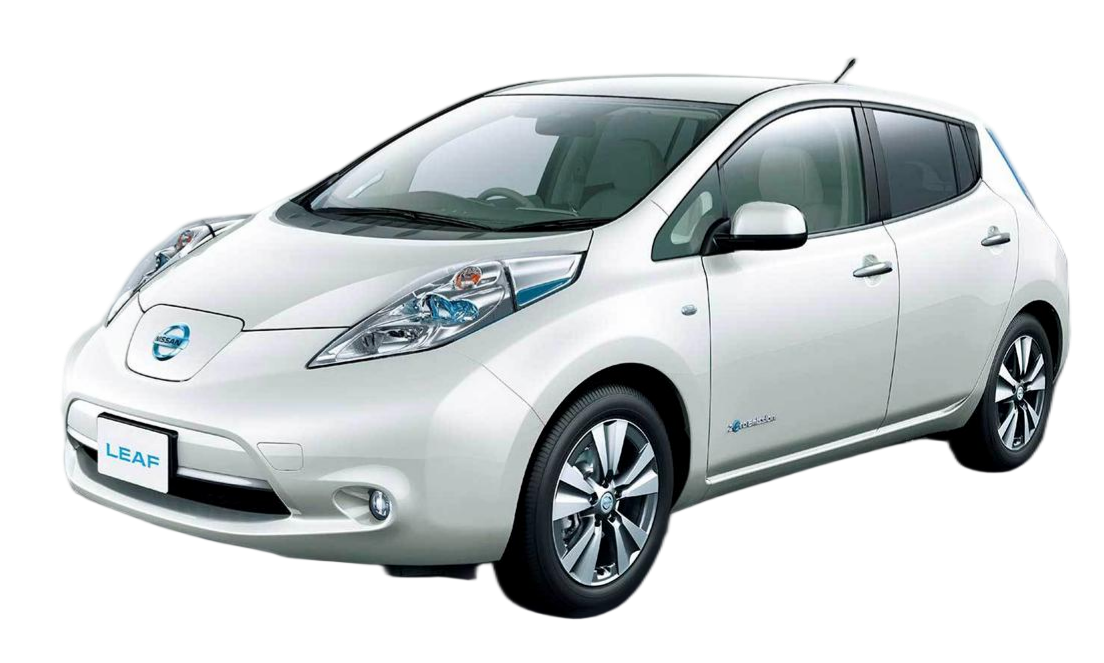
If you own a Nissan Leaf, you’ve likely heard the term “State of Health” (SOH). It is the percentage that tells you how much capacity your battery has left compared to when it was new. A low SOH means reduced range, longer charging times, and eventually, a very expensive repair bill. For many owners, especially those with older models (like the ZE0 or AZE0), the fear of a battery failure is the biggest hurdle to enjoying their car.
At CNS BATTERY, we have spent over a decade researching and developing replacement solutions specifically for Nissan and BMW electric vehicles. We understand that avoiding low SOH isn’t just about driving habits; it’s also about having a reliable backup plan. In this guide, we will walk you through practical steps to extend your current battery life and explain how to upgrade to a new, high-performance pack when the time comes.
Understanding Battery Degradation: Why SOH Matters
Before we dive into solutions, let’s understand the enemy: Lithium-ion battery degradation.
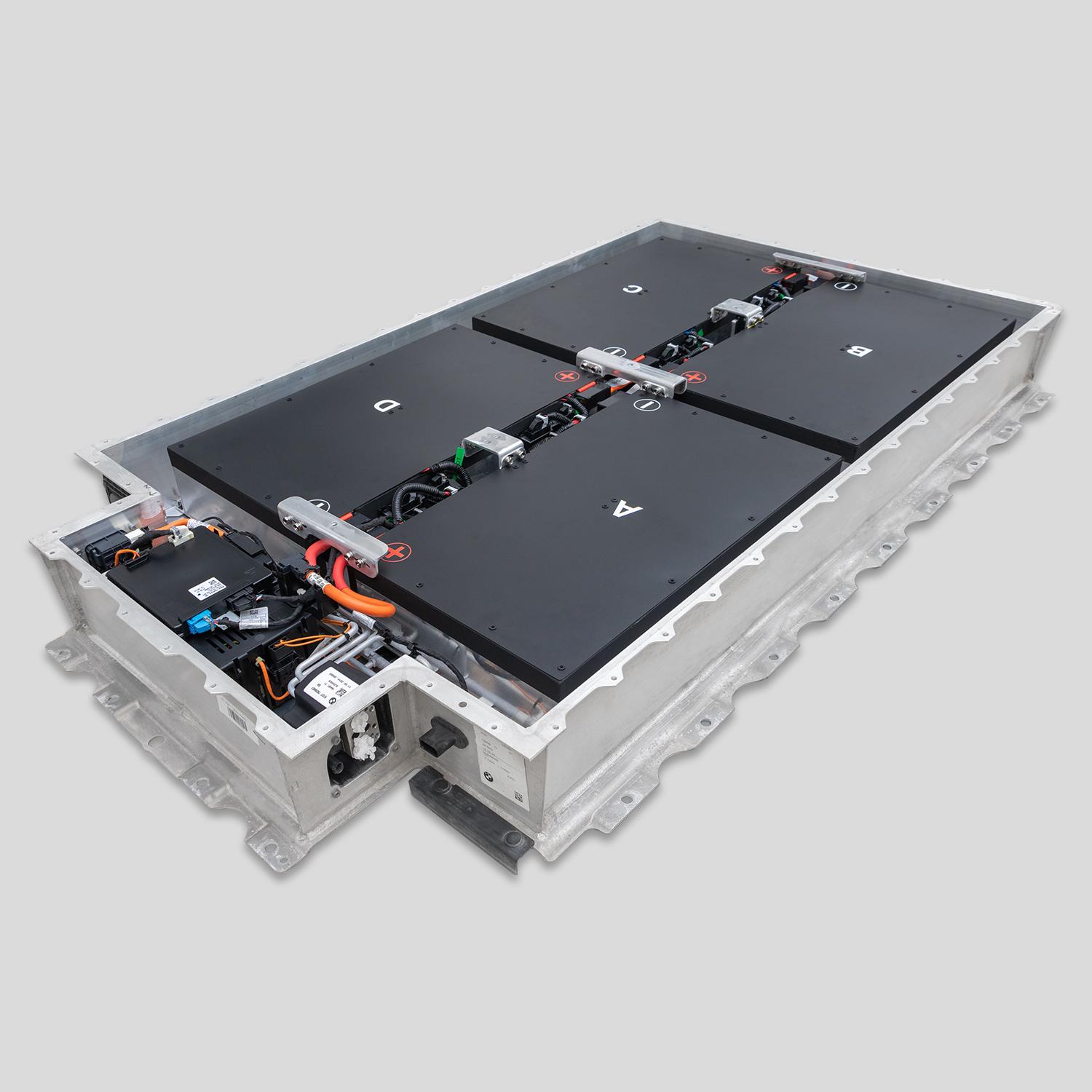
Your Nissan Leaf’s battery pack is a complex system of modules and cells. Over time, chemical reactions inside the cells cause the active material to break down. This is natural, but certain factors accelerate it.
- Heat is the Killer: High temperatures are the primary cause of accelerated degradation. Parking your car in direct sunlight or in a hot garage significantly reduces lifespan.
- Deep Discharges: Frequently running your battery down to 0% (or even low single digits) stresses the cells.
- Long-Term Storage at 100%: If you store your car for weeks or months with a full charge, it puts immense stress on the chemistry.
What is a “Good” SOH?
Most manufacturers consider a battery healthy if it retains 70% to 80% of its original capacity. If your dashboard shows a significant drop below this (e.g., only 8 bars out of 12), it is time to consider intervention.
5 Proven Strategies to Extend Your Leaf’s Battery Life
You can actively fight degradation. Here are the top five strategies recommended by our technical experts to help you avoid low SOH:
1. Master the Art of Charging
The way you charge your Nissan Leaf has a direct impact on longevity.
- The 20%-80% Rule: While it is tempting to charge to 100% for maximum range, doing this daily is harmful. Try to keep your charge level between 20% and 80% for daily driving. This reduces voltage stress on the cells.
- Limit DC Fast Charging: DC Fast Chargers (like CHAdeMO) are convenient, but they generate a lot of heat. Use them for long trips, but rely on Level 1 or Level 2 AC charging at home for your daily top-ups.
- Preconditioning: If your car has this feature (or if you have a timer), start the charging process when the battery is already cool, or let the car cool down before plugging in.
2. Temperature Management
Heat accelerates the chemical reactions that degrade batteries.
- Park in the Shade: Whenever possible, park in a garage or under shade. If you live in a hot climate, consider a car cover.
- Use the Cabin Pre-Conditioner: Turn on the air conditioning while the car is still plugged in. This keeps the cabin cool without draining the battery and helps manage the Battery Management System (BMS) temperature.
3. Avoid “Turtle Mode”
Running your Leaf until the “Turtle” light comes on (indicating very low power) is dangerous for the battery. Deep discharges can cause irreversible damage to the cell structure. Try to recharge before you hit 10%.
4. Regular Usage
Batteries like to be used. If you leave your Leaf parked for months without a charge, the cells can fall into a deep discharge state, leading to sulfation and permanent capacity loss. If you must store the car, keep it at a 50% charge and check on it monthly.
5. Software Updates
Ensure your Leaf’s software is up to date. Nissan occasionally releases updates that improve the thermal management algorithms of the BMS, which can help regulate temperature and extend life.
When Maintenance Isn’t Enough: The Upgrade Solution
Despite your best efforts, batteries do wear out. If your SOH is critically low and your range is no longer sufficient for your daily commute, it might be time to consider a replacement.
This is where CNS BATTERY steps in. We don’t just sell batteries; we provide peace of mind.
Why Choose a CNS BATTERY Replacement?
Our replacement packs for the Nissan Leaf (ZE0, AZE0, ZE1) and e-NV200 are engineered to OEM standards but offer superior value and performance.
- Brand New CATL Cells: Unlike refurbished or recycled batteries, we use brand-new, high-quality lithium cells from CATL (Contemporary Amperex Technology Co. Limited), one of the world’s leading battery manufacturers. This ensures maximum initial capacity and a longer lifespan compared to second-hand options.
- Significant Cost Savings: Replacing a battery with an OEM unit can cost upwards of $16,000. Our solutions offer the same (or better) performance at 50% of the cost.
- Upgraded Capacity Options: Don’t settle for the original range. Many of our customers upgrade from a 40kWh or 62kWh pack to a 68kWh or 75kWh solution, instantly boosting their range by hundreds of kilometers.
- Plug-and-Play Installation: Our packs are designed for perfect compatibility. They are a direct fit for your Leaf model, requiring no modifications to the vehicle’s wiring or chassis.
Real User Experience: Mark T.’s Story
“The original battery in my 2015 Nissan Leaf lasted 8 years, but the range had dropped to only 120km. Replacing it with an original manufacturer battery would cost $16,000, which was ridiculous! After comparing options, I chose a 62kWh battery from CNS, which cost only $7,800, less than half the price. Now, the full charge range is 430km… I’ve been using it for almost a year, and the battery capacity is still at 11 out of 12 bars.”
The CNS BATTERY Advantage: Built for the Future
We understand that buying a car battery is a major investment. That is why we back our products with industry-leading guarantees.
Comparison: CNS BATTERY vs. The Competition
| Feature | CNS BATTERY | Refurbished/Used Market |
|---|---|---|
| Cell Quality | Brand New CATL Cells | Recycled/Used Cells (Aged) |
| Warranty | 2 Years / 80,000 km | Often None or Very Short |
| Price | ~50% of OEM Cost | Variable, often risky |
| Reliability | Zero Defect Guarantee | High Risk of Swelling/Failure |
Our Unbeatable Warranty
We offer a 2-year or 80,000 km warranty (whichever comes first). This covers defects in materials and workmanship, and we guarantee that the battery will maintain at least 70% capacity during this period. Most competitors offer 1 year or nothing at all.
Lifetime Technical Support
Even if you are not ready to buy today, our team is here to help. We offer lifetime technical support. If you have questions about maintaining your current battery, or if you need help diagnosing an issue, our engineers are just an email or phone call away.
Frequently Asked Questions (FAQ)
Q1: How do I check my Nissan Leaf’s SOH?
You can usually check your State of Health by looking at the battery bars on your dashboard. If you have a Leaf with a display, you can also access the “Battery Info” menu. A healthy battery should show 12 bars. If it drops below 10 bars, it is a sign of significant degradation.
Q2: Can I install a CNS BATTERY pack myself?
Yes, many of our customers are DIY enthusiasts. The installation typically takes 1-2 hours. We provide step-by-step video tutorials and detailed manuals. However, because high-voltage systems are dangerous, we strongly recommend having it installed by a certified technician to avoid voiding the warranty.
Q3: Are CNS batteries compatible with all Nissan Leaf models?
We support a wide range of models, including the Leaf ZE0, AZE0, ZE1, and e-NV200. We also support specific upgrades, such as putting a 62kWh pack into a car that originally had a 40kWh pack. To confirm compatibility, simply provide your VIN (Vehicle Identification Number) to our sales team for a free assessment.
Q4: How long does shipping take?
We ship globally. Shipping times vary depending on your location and the method chosen (air or sea freight). Typically, air freight takes 1-2 weeks, while sea freight can take 4-8 weeks but is more economical for heavy items like batteries.
Ready to Revive Your Ride?
Don’t let a fear of low SOH or a degraded battery stop you from enjoying your Nissan Leaf. Whether you need advice on maintenance or are ready to upgrade to a brand-new, high-capacity CNS BATTERY pack, our experts are here to help.
Get a Free Custom Quote Today!
We offer personalized recommendations based on your specific model and needs.