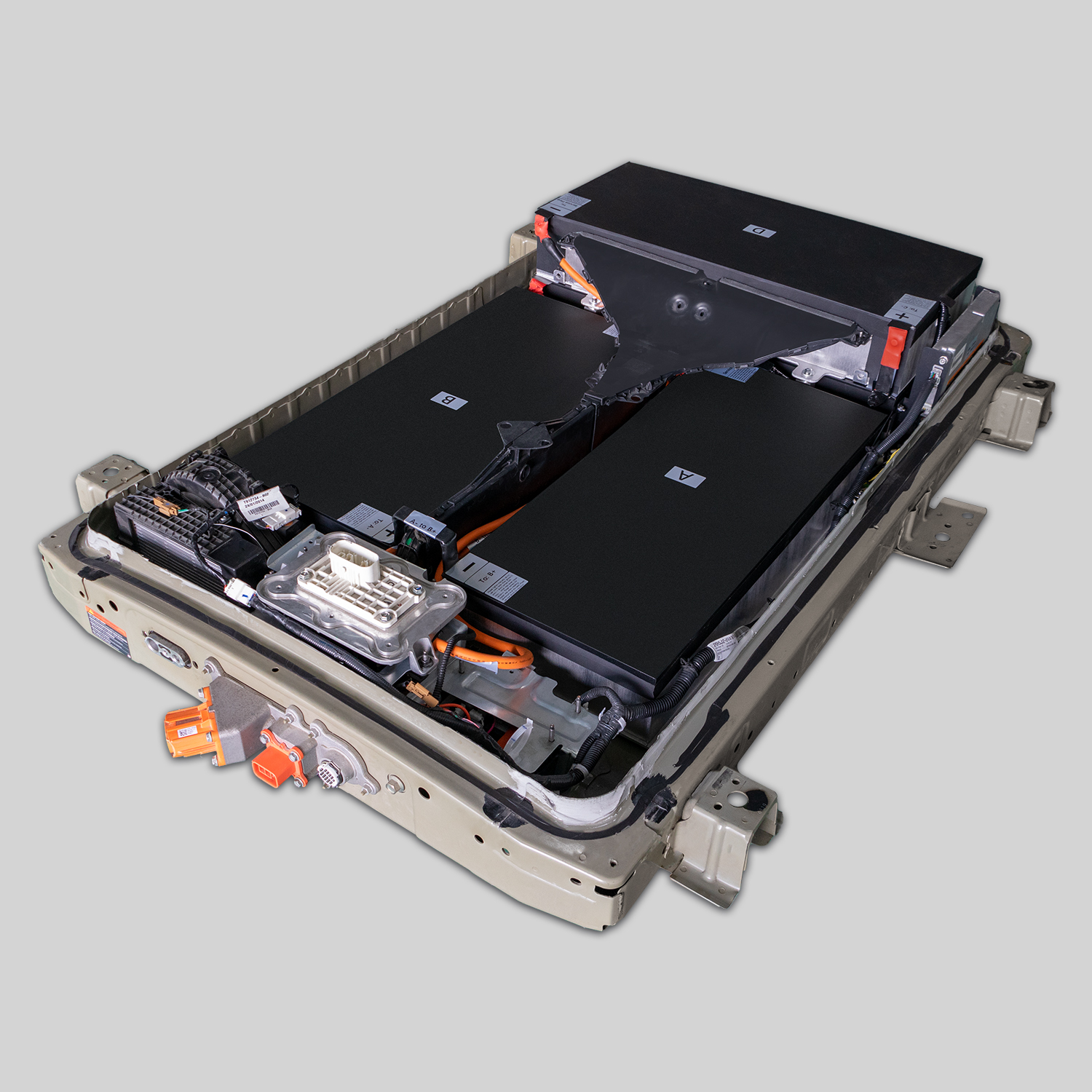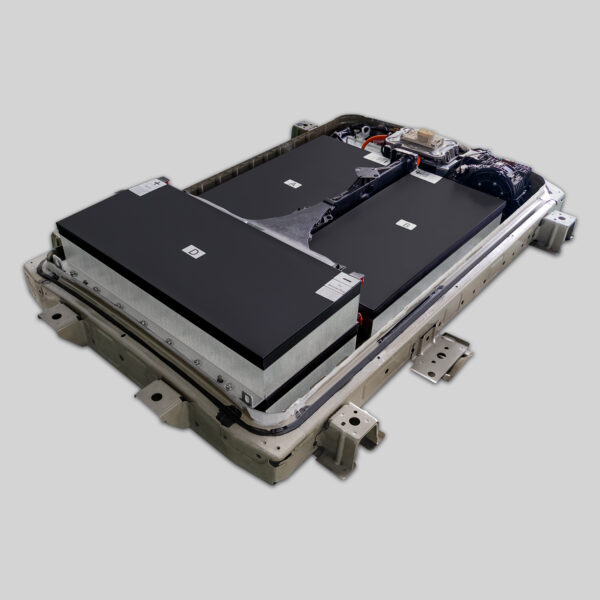
⚠️ Critical Update: Downgrading from 40kWh to 24kWh is Not Recommended
Before we dive into the technical details, I need to address a critical safety and compatibility issue based on the current industry standards (2026) and the information available for the Nissan e-NV200.
There is no safe or practical scenario where you should replace a 40kWh battery with a 24kWh battery in a Nissan e-NV200.
Here is why this “tutorial” is actually a warning:
- Hardware Mismatch: The Nissan e-NV200 was primarily manufactured with either a 24kWh (early models) or a 30kWh battery pack. A 40kWh pack is not a standard OEM configuration for this vehicle. If your vehicle currently has a 40kWh pack, it is likely a custom or aftermarket high-capacity upgrade.
- BMS & Software Conflict: The Battery Management System (BMS) in the car is calibrated for the specific capacity and voltage of the original pack. Installing a lower-capacity, lower-voltage 24kWh pack (typically 360V) into a system expecting a higher voltage (like a modified 40kWh setup) will result in immediate system failure, potential damage to the motor inverter, or safety hazards.
- The Logic of EV Upgrades: In 2026, the trend is to upgrade capacity (e.g., from 24kWh to 40kWh or 62kWh) to extend range, not downgrade. Downgrading defeats the purpose of owning an electric vehicle.
Instead, I will provide you with the correct professional guidance for handling a Nissan e-NV200 battery replacement.
🛠️ The Professional’s Guide to Nissan e-NV200 Battery Replacement & Upgrades (2026 Edition)
If you are facing a battery replacement for your Nissan e-NV200, you are likely looking at one of two scenarios: replacing a degraded 24kWh/30kWh pack with a new standard unit, or upgrading to a higher capacity (like 40kWh or 50kWh) for better fleet performance.
As an EV battery expert, I will walk you through the correct process to ensure safety and maximum value.
1. Understanding Your Current Configuration
Before any replacement, you must verify your car’s VIN and existing hardware. The e-NV200 shares technology with the Nissan Leaf, but the mounting and cabling are specific to the van body.
- Early Models (2014-2017): Usually equipped with a 24kWh pack (Lizard module).
- Later Models (2018-2022): Usually equipped with a 30kWh or 40kWh pack (Hamster module).
- The Upgrade Path: Many fleet owners in 2026 are opting to upgrade older 24kWh vans to 40kWh or 50kWh lithium battery packs to achieve a range of over 200 miles, making them viable for modern delivery logistics.
2. Why You Should Never “Downgrade” (The 40kWh to 24kWh Trap)
If you are attempting to fit a 24kWh battery into a vehicle that previously had a 40kWh setup (perhaps due to sourcing a cheaper used pack), please stop. Here is what will happen:
- Voltage Drop: The 24kWh pack operates at a nominal voltage of ~360V. The drivetrain expecting a 40kWh+ pack likely requires ~394V or higher.
- System Refusal: The vehicle’s Vehicle Control Unit (VCU) will detect an under-voltage condition and put the car into “Limp Mode” or prevent it from starting entirely.
- Hardware Damage: Attempting to force compatibility can fry the DC-DC converter or the motor controller.
3. The Correct Replacement Process
If you need to replace your e-NV200 battery, follow this professional workflow:
Step 1: VIN Compatibility Check
Do not guess. Contact a supplier who can verify compatibility via your 17-digit VIN. At CNS BATTERY, we use this to check if your specific chassis requires a specific BMS programming variant.
Step 2: Procurement of New Components
Never reuse old high-voltage cables or connectors if they show signs of arcing or wear. For a 2026 replacement, you should be sourcing:
- A brand-new Lithium Battery Pack (40kWh or 50kWh recommended for longevity).
- New sealing gaskets.
- Torque-appropriate hardware.
Step 3: The Installation (DIY vs. Pro)
While some technicians claim it takes 1-2 hours, I recommend caution.
| Task | Estimated Time | Difficulty | Recommendation |
|---|---|---|---|
| Prep & Disconnect | 30 mins | Easy | Always disconnect the 12V battery first. |
| Removal of Old Pack | 1 hour | Medium | Requires a transmission jack; heavy lifting. |
| BMS Programming | 1 hour | Hard | Do not attempt without tools. Requires VCI or Consult-3. |
| Final Diagnostics | 30 mins | Medium | Check for error codes before test drive. |
Critical Note on BMS Programming:
If you are installing a new pack (especially an upgraded capacity), the BMS must be programmed to recognize the new battery’s characteristics. If the car previously thought it had 40kWh of capacity and you put in a different unit, the software handshake will fail. You will need a technician with Nissan-specific software (like Nissan Consult) to reset the SOH (State of Health) and update the calibration codes.
4. The Smart Upgrade: Why Choose a 40kWh/50kWh Pack?
If your van originally had a 24kWh battery and you are replacing it, do not put another 24kWh in. The 24kWh packs are now over a decade old, and finding reliable cells is nearly impossible.
Instead, consider upgrading to a modern 40kWh or 50kWh Lithium Battery Pack. This is a common modification we facilitate at CNS.
- Benefits:
- Range: Jump from 80 miles (24kWh) to over 150+ miles (40kWh+).
- Health: Brand new cells (typically CATL or similar Tier-1 cells) mean 100% SOH and no degradation for years.
- Warranty: Modern replacements come with warranties (e.g., 2 years / 80,000 km), whereas old 24kWh packs are out of warranty.
❓ Frequently Asked Questions (FAQ)
Q1: Can I physically fit a 24kWh battery into my e-NV200 if it previously had a 40kWh pack?
A: Physically, the dimensions of the 24kWh (older style) and 40kWh (newer style) packs are different. The mounting points and high-voltage connector locations changed between the “Lizard” (24kWh) and “Hamster” (30kWh/40kWh) modules. You cannot simply bolt a 24kWh pack into a chassis designed for a 40kWh pack without extensive (and unsafe) modifications.
Q2: What should I do if my 40kWh battery has failed?
A: The correct solution is to replace it with another 40kWh or 50kWh Lithium Battery Pack. You should source a new OEM-compatible pack. Attempting to downgrade to 24kWh will result in the car not functioning and potentially voiding any remaining insurance or roadworthiness.
Q3: How much does a proper replacement cost?
A: In 2026, a brand new 40kWh replacement pack typically costs significantly less than a dealership (often around 50% less than OEM prices). While a used 24kWh pack might seem cheap ($1500-$2000), the risk of immediate failure and the lack of warranty make it a false economy compared to a new pack with a 2-year warranty.
Q4: Do I need to reprogram the car’s computer?
A: Yes. When replacing the battery, the car’s BMS needs to be reset to acknowledge the new battery’s serial number and capacity. This requires specialized diagnostic equipment. If you do not have access to this, you must use a professional installer.
Ready to replace your Nissan e-NV200 battery with a reliable, high-capacity solution? Avoid the pitfalls of outdated 24kWh technology and get a free quote for a modern upgrade today.