Here is the SEO-optimized article based on your requirements, written from the perspective of a CNS BATTERY expert.
The Ultimate Checklist for Nissan Leaf Battery Repair & Replacement
If you own a Nissan Leaf, you know the feeling. The dashboard range estimate drops, the battery bars start disappearing, or worse—your car throws a “Check Charging System” error. It’s a moment of panic for any EV owner. But before you rush to the dealership and face a $16,000+ bill for an OEM replacement, take a breath. As a battery expert, I want to walk you through the ultimate checklist for repairing or replacing your Nissan Leaf battery. This isn’t just about patching things up; it’s about restoring your car’s range and reliability without breaking the bank.
1. Diagnose the Problem: Pack vs. Module
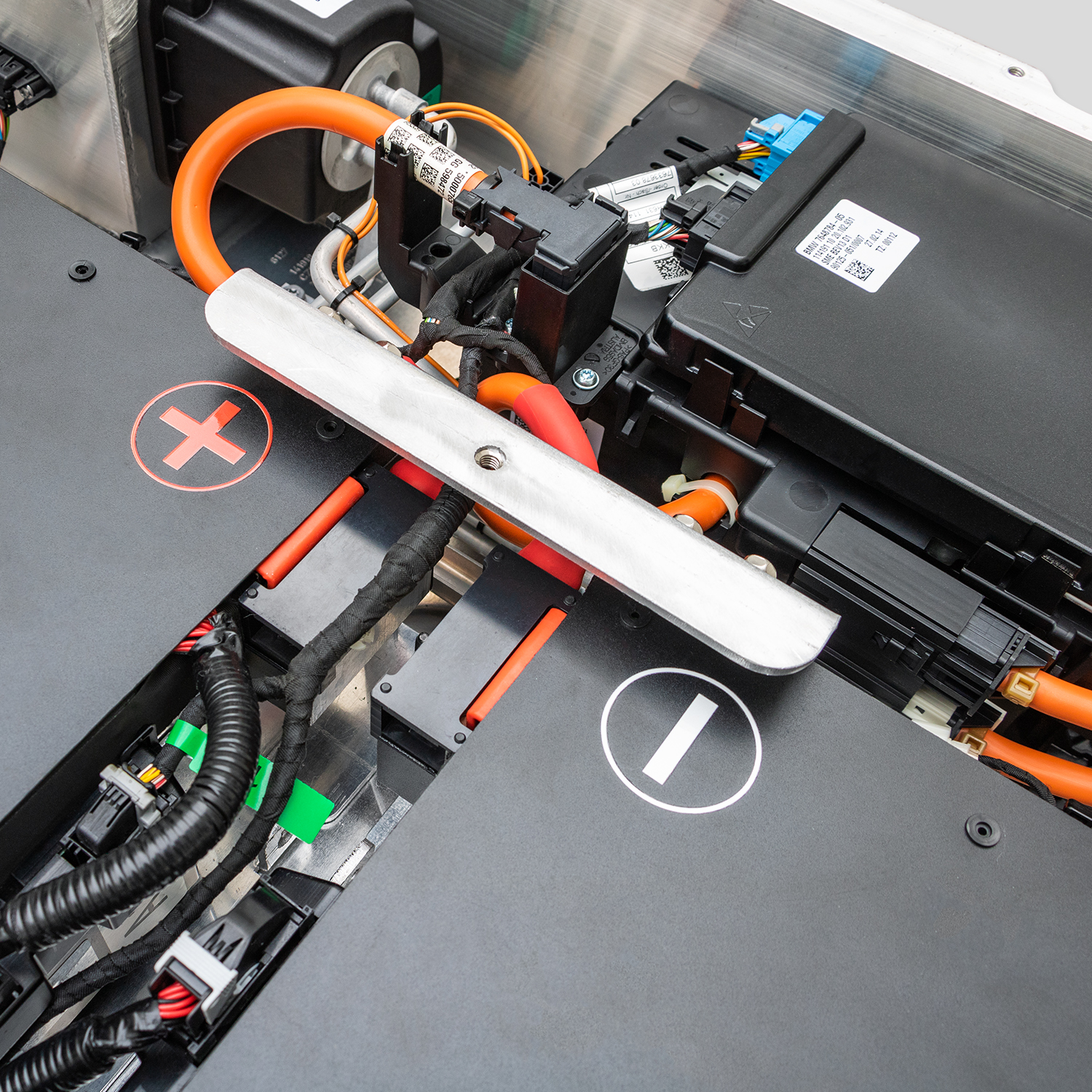
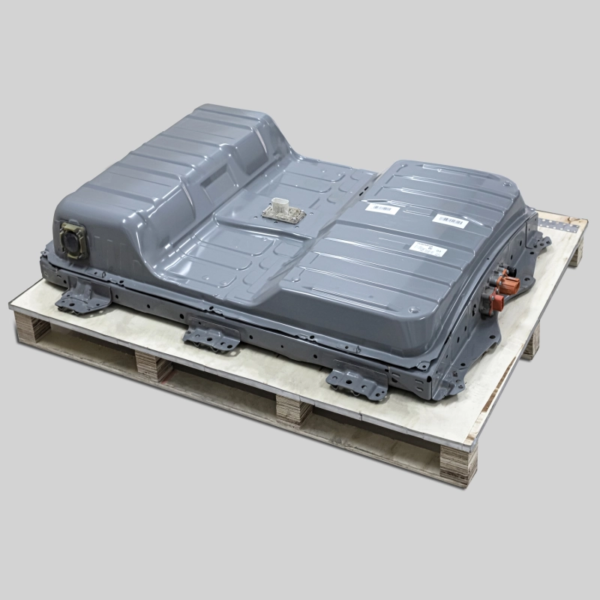
The first step in any repair is identifying the culprit. Nissan Leafs (specifically the ZE0, AZE0, and ZE1 models) use a modular battery design.
- The Module Issue: Often, the entire pack doesn’t die. One or two modules might be underperforming or have high resistance. If you have the technical skills, you can test individual modules with a multimeter.
- The Pack Issue: If the Battery Management System (BMS) is fried, or if multiple modules are swollen or degraded, replacing the whole pack is the only safe option.
2. The Core Decision: Refurbished vs. Brand New
This is where most owners make a costly mistake. The market is flooded with “refurbished” batteries pulled from salvage yards.
- The Refurbished Trap: These are often used cells from totaled cars. They have unknown charging cycles, potential micro-damage from the previous accident, and a very short lifespan. You might save money now, but you’ll likely be doing this repair again in 6 months.
- The Smart Choice: A brand new battery pack built with fresh, premium-grade cells. This is the only way to guarantee a long-term solution and restore your car’s original (or even improved) range.
3. Quality Check: The “CATL” Standard
Not all new batteries are created equal. When sourcing a new pack, look for the source of the cells.
- The Gold Standard: CATL (Contemporary Amperex Technology Co. Limited) cells. CATL is the world’s largest lithium-ion battery manufacturer and supplies cells to Tesla, BMW, and Volkswagen.
- Why it Matters: Batteries built with new CATL cells offer superior thermal management, higher energy density, and a much longer cycle life compared to generic or recycled cells. This is non-negotiable for safety and performance.
4. Warranty: Your Safety Net
A battery is a high-voltage, high-cost component. A warranty isn’t a luxury; it’s a necessity.
- Red Flag: Sellers offering no warranty, or a warranty shorter than 1 year / 20,000 km.
- Green Flag: Look for a minimum of 2 years / 80,000 km. This shows the manufacturer stands behind their product and has confidence in the cell quality.
5. Compatibility & Installation
Your Leaf is a precision machine. The replacement battery must be a perfect OEM fit.
- Plug-and-Play: The connectors, dimensions, and communication protocols (CAN bus) must match your specific Leaf model (ZE0, AZE0, or ZE1).
- BMS Programming: Ensure the seller provides support for BMS programming. Without proper programming, your car won’t recognize the new battery.
6. The Cost-Benefit Analysis
Let’s talk numbers. A brand new OEM battery from Nissan can cost upwards of $16,000. A cheap refurbished pack might be $3,000 but comes with high failure risk.
- The Sweet Spot: A brand new CATL cell pack should cost roughly 50% less than OEM. For example, a new 62kWh pack that gives you 430km+ of range should be available for around $7,800 – $8,200. This gives you the reliability of new technology at a fraction of the factory price.
7. Support: Don’t Do It Alone
Unless you are a certified EV technician, you might run into issues.
- Video Guidance: Choose a supplier that offers real-time video call support. Having an expert walk you through the wiring or programming remotely can save you hours of frustration and prevent costly mistakes.
Frequently Asked Questions (FAQ)
Q: How do I know if my Nissan Leaf battery needs repair or replacement?
A: If you are losing significant range (e.g., dropping below 150km on a full charge) or seeing battery bars drop rapidly, it’s likely time for a replacement. If you have a “Check Charging System” light, it could be a BMS fault, which often requires a full pack replacement for safety.
Q: Can I install the battery myself?
A: While it is technically possible (it’s essentially heavy lifting and bolt-on connections), we strongly recommend using a certified mechanic. However, if you are handy, detailed video tutorials and remote video support can guide you through the process, which typically takes 1-2 hours.
Q: What is the lifespan of a new replacement battery?
A: A new pack built with premium CATL cells should last over 8 years or 200,000+ km under normal driving conditions. Our 2-year warranty ensures peace of mind during the initial period.
Q: Will a new battery void my car’s warranty?
A: If installed correctly and compatible, a new battery should not affect the remaining structural warranty of your car. We perform VIN compatibility checks to ensure the replacement is seamless.
Q: How long does shipping take?
A: Shipping times vary depending on the method. Air freight is faster but expensive. Sea freight typically takes 4-8 weeks but is much more economical for such a heavy item.
Ready to revive your Nissan Leaf?
Don’t let a failing battery sideline your car. By following this checklist, you can make an informed decision that saves you thousands of dollars while restoring your vehicle’s performance. If you need a reliable, brand-new solution built with premium CATL cells and backed by a 2-year warranty, we can help.
Get your free custom quote today and get back on the road: Contact CNS BATTERY Experts