Is a Nissan e-NV200 50kWh Repair Worth It? (2026 Review)
If you are reading this, you are likely facing a common dilemma in 2026: your Nissan e-NV200’s battery has degraded, leaving you with a vehicle that can barely complete daily tasks. You are probably wondering if it is financially wise to spend thousands on a repair, or if you should simply write the vehicle off and buy a new one.
The short answer is: Yes, repairing your Nissan e-NV200 with a new 50kWh battery is almost always worth it. In fact, for most owners, it is the smartest financial decision they can make.
Why Repairing Beats Replacing (The Math)
Let’s look at the numbers. As of 2026, purchasing a brand-new electric van often means paying a premium for the latest software and minor range bumps, but it comes with a massive price tag—often exceeding $40,000 to $50,000.
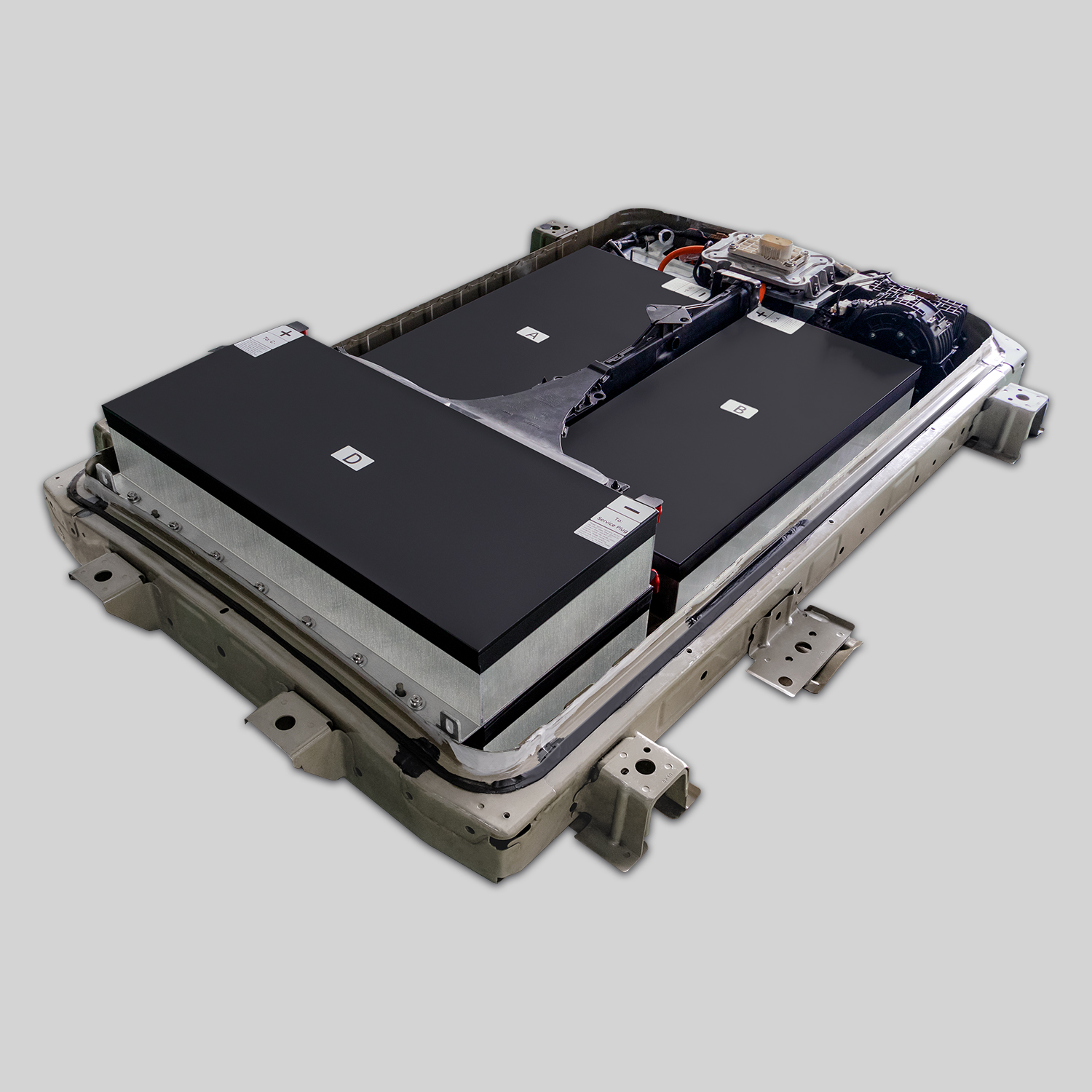
On the other hand, the cost of a complete, brand-new 50kWh battery replacement for the e-NV200 is a fraction of that. According to recent industry data, you can expect to pay roughly 50% to 60% less than the price of a new OEM (Original Equipment Manufacturer) replacement directly from a Nissan dealership. This means you can effectively “reset” your vehicle’s life for as little as $8,000 to $12,000 (depending on labor and location), giving you thousands of miles of reliable service without the depreciation hit of a new car.
The “Refurbished” Trap
Before you decide to repair, you need to be aware of the market landscape. You will likely see offers for “remanufactured” or “refurbished” batteries advertised as cheap solutions.
Do not be fooled. In our experience at CNS BATTERY, these solutions are often just old, broken batteries patched back together. The cells inside are already aged and chemically degraded. While they might seem cheap upfront (around $3,000 to $5,000), they fail quickly, leaving you back at square one and out of pocket.
The only repair worth doing is a complete replacement with brand-new cells.
The 2026 Solution: New Cell Technology
In 2026, the standard for e-NV200 repairs has shifted. It is no longer about just finding any battery; it is about upgrading to the latest chemistry.
The original e-NV200 batteries used older NMC (Nickel Manganese Cobalt) technology. Today, the best solution utilizes modern LFP (Lithium Iron Phosphate) chemistry, specifically high-quality cells from manufacturers like CATL.
Why does this matter for your repair decision?
- Safety: LFP batteries are inherently more stable and less prone to thermal runaway (fires) compared to older NMC packs.
- Longevity: LFP cells can last for 3,000 to 5,000 charge cycles, which translates to decades of use for a daily driver.
- Cold Weather Performance: While NMC used to dominate in cold climates, modern LFP formulations in 2026 have closed this gap significantly, especially when paired with proper thermal management systems.
Real-World Experience: Thomas B.’s Story
To prove this isn’t just theory, let me share a recent case study from our records.
Thomas B. from Amsterdam drives a 2022 Nissan e-NV200. His original 50kWh pack had degraded to the point where he could only travel 150km on a charge, forcing him to plug in daily—a huge inconvenience for his delivery business.
He chose a CNS BATTERY 50kWh LFP replacement. Here is what happened:
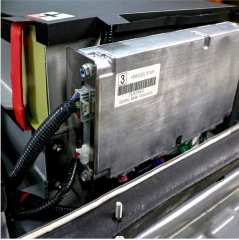
- The Installation: Thomas was worried it would be complex, but he reported it was a “plug-and-play” experience. The connectors matched perfectly, and the system recognized the battery immediately.
- The Range: After the swap, his range jumped from a struggling 150km back to a solid 348km on a full charge. Even with the air conditioning running on a highway drive, he maintained over 330km.
- The Durability: He recently took a trip to the beach in 38°C heat. Unlike his old battery, the new LFP pack showed no signs of overheating or power reduction.
Thomas didn’t just fix his van; he upgraded it to 2026 standards.
What to Look for in a 2026 Battery Replacement
If you decide to pull the trigger on a repair, you need to ensure you are buying the right product. Here are the non-negotiable features of a quality 2026 e-NV200 battery:
- Brand New Cells: Verify that the supplier uses cells sourced directly from Tier-1 manufacturers (like CATL, EVE, or CALB). Avoid anything labeled “Grade A” recycled cells.
- Plug-and-Play Compatibility: The Battery Management System (BMS) must communicate seamlessly with the Nissan dashboard. You should not need to cut wires or modify connectors.
- Warranty: A repair is only as good as the warranty behind it. In 2026, industry-leading suppliers like CNS BATTERY offer 2-year or 80,000km warranties. This is crucial for peace of mind.
- Thermal Management: Ensure the pack has adequate cooling, especially if you live in a hot climate. Modern packs often use advanced phase-change materials or liquid cooling loops.
The Verdict
Is repairing your Nissan e-NV200 50kWh worth it?
If you are looking at a refurbished battery: No. It is a gamble you will likely lose.
If you are looking at a brand-new 50kWh LFP battery with a modern BMS: Absolutely Yes.
It transforms your vehicle from a depreciating asset into a reliable, long-range machine ready for another decade of service. You are not just repairing; you are upgrading to the latest battery technology at a fraction of the cost of a new van.
Don’t let an old battery kill a good vehicle. With the right 2026 solution, your e-NV200 can be better than new.
Frequently Asked Questions (FAQ)
1. How long does the installation take?
Most professional mechanics can complete the swap in 1 to 2 hours. It involves lifting the vehicle, disconnecting the old pack, removing the bolts, and installing the new one. For DIY enthusiasts, it is manageable with basic tools, but we always recommend consulting a professional to avoid voiding the warranty.
2. Will a new battery affect my car’s warranty or software?
A high-quality, OEM-standard battery (like those from CNS) is designed to mimic the original communication protocols perfectly. It should not trigger any warning lights or affect other software systems in your van. Always perform a VIN compatibility check before purchasing.
3. What is the range difference between the old and new 50kWh pack?
The original e-NV200 50kWh had a theoretical range of about 200 miles (320km). However, after degradation, most owners see 100-120 miles. A new 50kWh LFP pack will restore you to approximately 340-350km of real-world range, which is actually an improvement over the brand-new 2019 model due to the higher energy density of modern cells.
4. Where can I get a quote for a 2026 e-NV200 battery?
You can get a free, personalized quote by providing your vehicle details to a trusted manufacturer. Contact our technical experts now for customization and a free quote.