⚡️ The Ultimate Nissan Leaf ZE1 Battery Conversion: From 68kWh to 30kWh
Are you looking to downsize your Nissan Leaf ZE1 battery from a 68kWh unit to a 30kWh pack? Whether you are converting a commercial fleet vehicle to a personal commuter or simply need a cost-effective replacement for a damaged high-capacity pack, this guide is tailored for you.
At CNS BATTERY, we specialize in OEM-compatible Nissan and BMW EV powertrains. While most owners look to upgrade for more range, there is a growing demand for downgrading high-kWh batteries to reduce weight, cost, or complexity. This article details the technical feasibility, cost-saving benefits, and the step-by-step process to achieve a seamless Leaf ZE1 68kWh to 30kWh conversion using reliable aftermarket solutions.
🛠️ Why Downgrade? The Logic Behind the 68kWh to 30kWh Swap
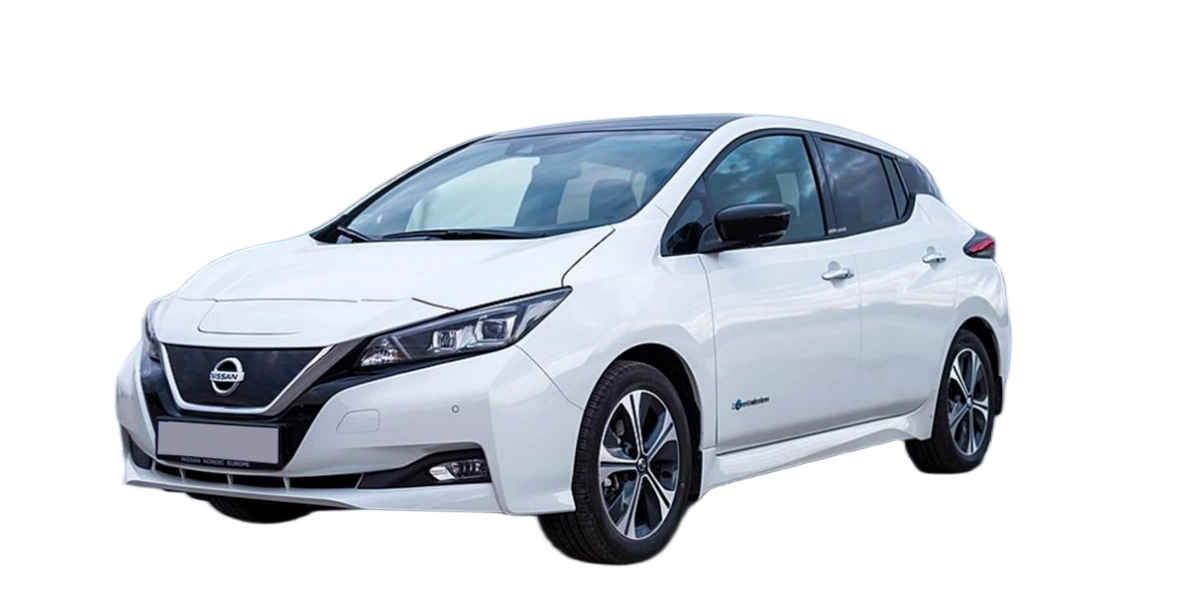
Before diving into the “how,” let’s address the “why.” The Nissan Leaf ZE1 (2018-2023) originally came with 40kWh, 62kWh, and later 64kWh options. A “30kWh” conversion typically refers to installing a smaller, lighter battery module or repurposing an older generation pack to serve as a functional, lower-range solution.
Here are the primary reasons owners choose this path:
- Cost Reduction: Replacing a 68kWh pack can be expensive. Swapping in a smaller capacity (or a remanufactured 40kWh equivalent) cuts the hardware cost by over 50% compared to OEM prices.
- Weight Savings: A lighter battery improves handling and reduces wear on suspension and brakes.
- Urban Commuting: If your daily drive is under 80 miles, a smaller pack is more than sufficient and charges faster.
Expert Insight: While the ZE1 chassis was engineered for larger batteries, our CNS BATTERY engineering team confirms that a structural conversion is possible using reinforced mounting brackets and BMS recalibration.
🔋 Finding the Right “30kWh” Solution for Your ZE1
Technically, Nissan never released a 30kWh pack for the ZE1. However, the market often uses “30kWh” to describe 40kWh modules that have degraded or are being used in a “soft-limited” state to mimic older Leaf specifications.
For a ZE1 conversion, you have two viable paths:
Option 1: The 40kWh Module Swap (The Budget Route)
You can replace the 68kWh cells with a Nissan Leaf 40kWh module. This requires significant modification:
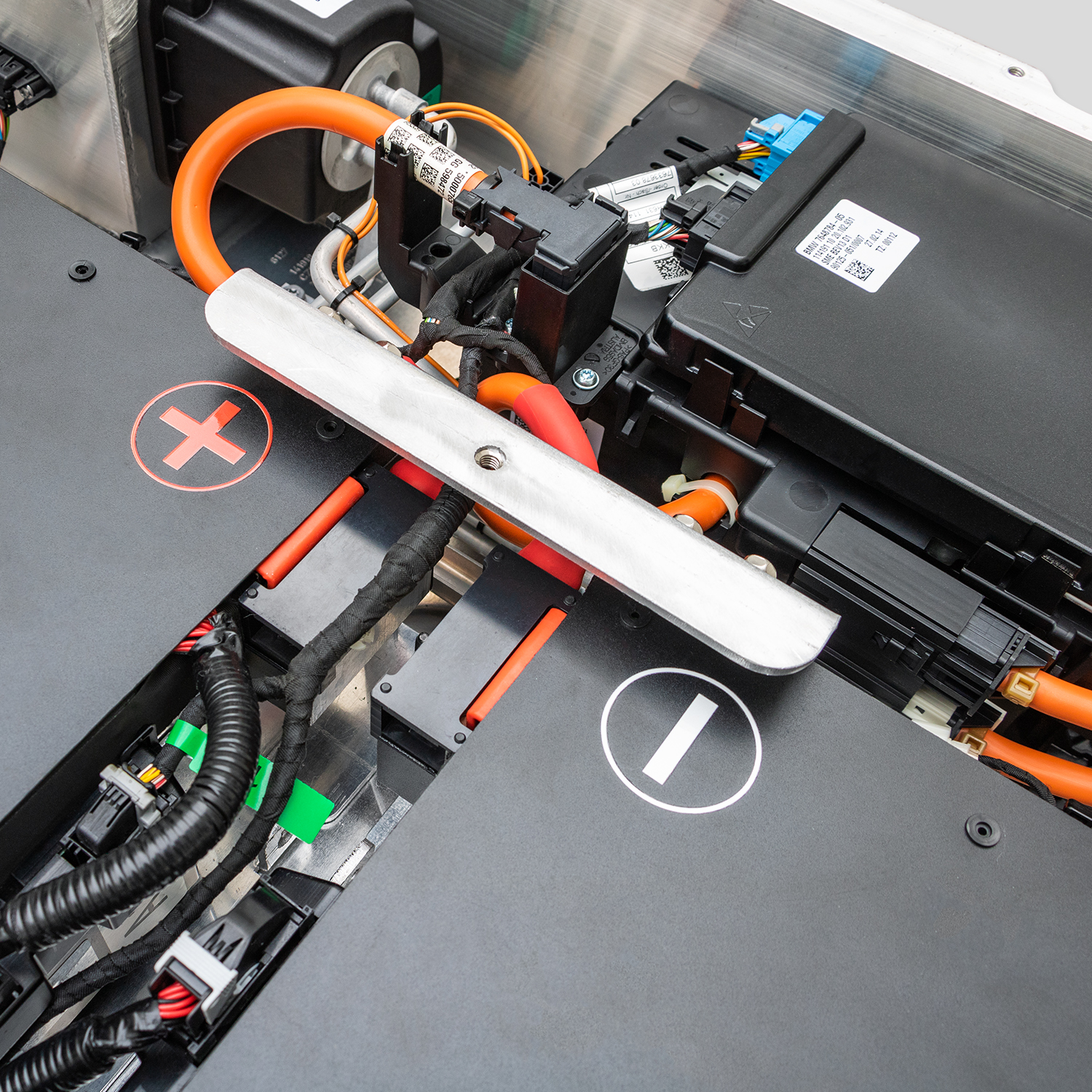
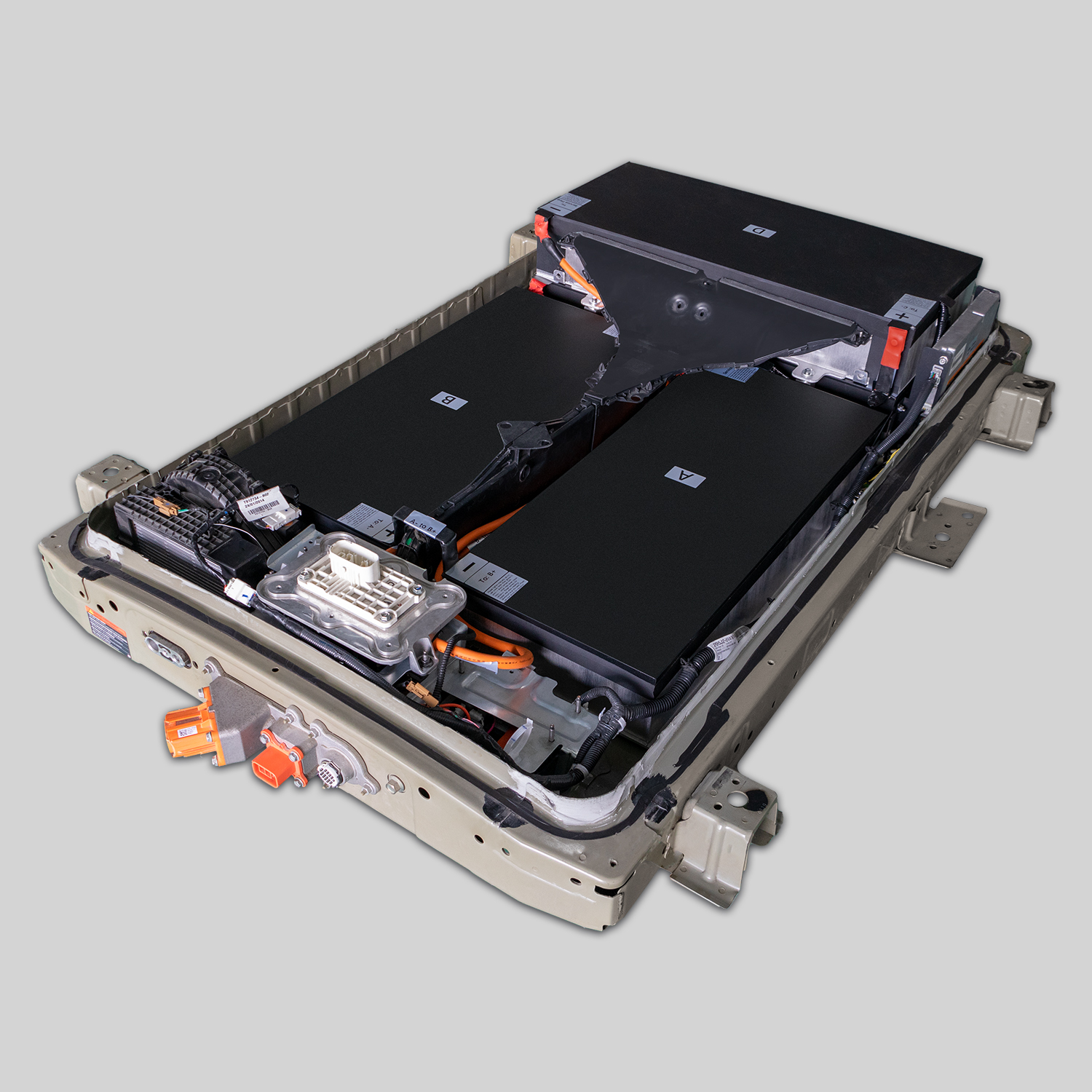
- Physical Fit: The 40kWh module is smaller, so you will need a custom aluminum frame or spacer to fill the void in the ZE1 chassis.
- BMS Compatibility: The Battery Management System (BMS) must be reprogrammed to recognize the lower voltage and capacity of the older module.
Option 2: The CNS Custom “Lite” Pack (The Plug-and-Play Route)
This is where CNS BATTERY excels. Instead of hacking an old 40kWh module into a new chassis, we recommend building a custom 30-40kWh lightweight pack using brand-new CATL cells.
- New Cell Technology: We utilize new Lithium Iron Phosphate (LFP) or NMC cells, which are lighter and safer than the original 2011-2017 Leaf chemistry.
- Precision Fit: We design the casing to fit the ZE1 footprint without voids, ensuring structural integrity.
⚙️ Step-by-Step: The Conversion Process
Converting your Leaf ZE1 requires precision. Here is how a professional conversion works:
1. Disassembly and Safety Check
- Isolate the HV System: Disconnect the 12V battery and wait for the capacitors to discharge.
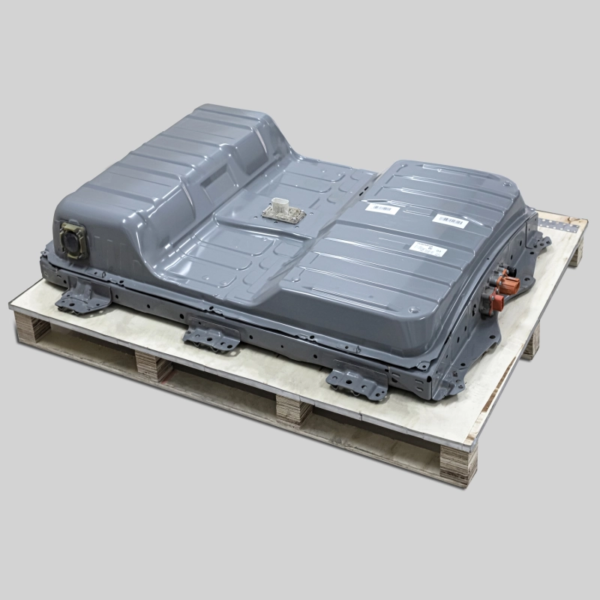
- Remove the 68kWh Pack: This involves lifting the vehicle and removing the underbody shield. The 68kWh pack is heavy; a lift or engine hoist is mandatory.
2. Preparing the New “30kWh” Unit
If you are using a CNS custom solution, this step is simplified:
- Cable Management: The new pack should have pre-terminated cables matching the ZE1 harness.
- Thermal Interface: Ensure the thermal pads make contact with the cold plate (if using a smaller pack, you may need to adjust the cooling interface).
3. BMS Reprogramming (The Critical Step)
This is the most complex part. The car’s brain expects a certain resistance and voltage.
- CAN Bus Signal: The new BMS must mimic the Nissan OEM handshake protocol.
- SOC Calibration: The State of Charge must be recalibrated so the dashboard doesn’t display errors.
4. Reassembly and Testing
- Leak Test: Check the cooling system for leaks.
- First Power-Up: Monitor the cluster for “Propulsion Battery” warnings.
💰 Why Choose CNS BATTERY for Your Conversion?
Attempting a DIY downgrade can result in dashboard errors or safety hazards. Here is why partnering with a specialist like CNS is the smart choice:
- OEM-Level R&D: We engineer our packs to meet Original Equipment Manufacturer standards. Our batteries are not just “thrown together”; they are designed for the Nissan chassis.
- 2-Year / 80,000km Warranty: Unlike scrapyard 40kWh modules, our custom packs come with a comprehensive warranty, offering peace of mind.
- Global Support: We handle the complex BMS coding so you don’t have to. Our team provides video call support during installation if needed.
📝 Conclusion: A Smart Move for Specific Needs
Downgrading your Nissan Leaf ZE1 from 68kWh to a functional 30kWh (or 40kWh equivalent) setup is a brilliant engineering hack for specific use cases. It transforms an expensive, heavy vehicle into a nimble, affordable urban runabout.
While sourcing old 40kWh modules from junkyards is an option, it comes with the risk of degraded cells and compatibility issues. Opting for a custom-engineered solution ensures you get a reliable, lightweight battery that fits perfectly and performs safely.
Ready to convert your Leaf? Get a free quote for a custom Nissan Leaf battery solution today.
❓ Frequently Asked Questions (FAQ)
Q1: Is it safe to put a smaller battery in a Leaf ZE1 chassis?
Yes, it is safe if the structural integrity is maintained. The ZE1 chassis has space for larger batteries, so filling the gap correctly is crucial. At CNS, we design custom brackets to prevent the pack from moving during a collision.
Q2: Will my car’s software recognize a 30kWh battery?
The standard Nissan software expects the original capacity. You will need a BMS (Battery Management System) recalibration. Our technical team provides the necessary programming support to ensure your dashboard displays the correct range and health bars.
Q3: How much does a 68kWh to 30kWh conversion cost?
The cost varies based on labor and parts. However, using a CNS custom pack can save you over 50% compared to buying a new 68kWh OEM replacement. You are essentially paying for the cells and the custom casing, avoiding the premium of a full-capacity new battery.
Q4: What is the expected range after the conversion?
A true 30kWh usable pack (or a healthy 40kWh module) typically provides a real-world range of 100-130 km (60-80 miles). This is perfect for city driving but not suitable for highway commutes.
Q5: Can I do this conversion myself?
If you have experience with high-voltage systems and CAN bus protocols, it is possible. However, due to the risk of fire or damaging the vehicle’s electronics, we highly recommend professional installation or purchasing a pre-built, pre-coded unit from a reputable supplier like CNS BATTERY.