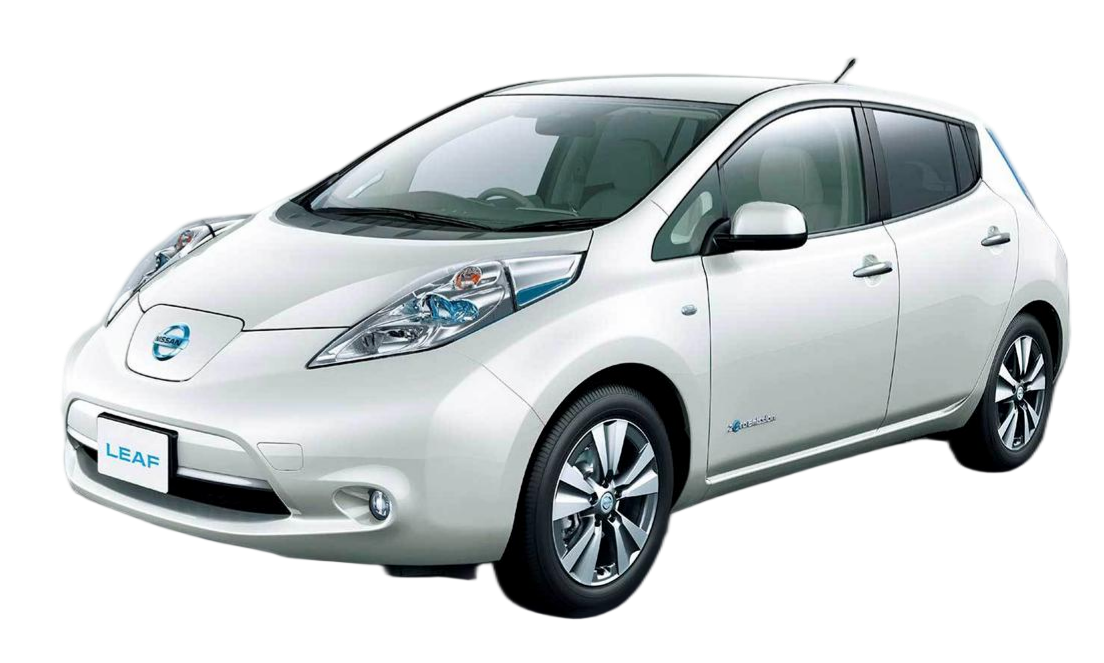
⚡ How to Repair Your Nissan Leaf Battery: A Complete Guide
Reviving your Nissan Leaf doesn’t always mean a complex surgery. If you’re facing a shrinking range or dreaded “12 bars” of capacity, you’re likely weighing your options: repair the old pack, replace it with a refurbished unit, or upgrade to a brand-new solution.
As an expert in EV powertrains, I’m here to guide you through the nuances of Nissan Leaf battery repair. We’ll explore the risks of DIY repairs versus the long-term value of a complete replacement, specifically focusing on how modern solutions from manufacturers like CNS BATTERY can save you thousands while offering superior performance.
⚠️ Why “Repairing” the Original Pack is Often a Risk
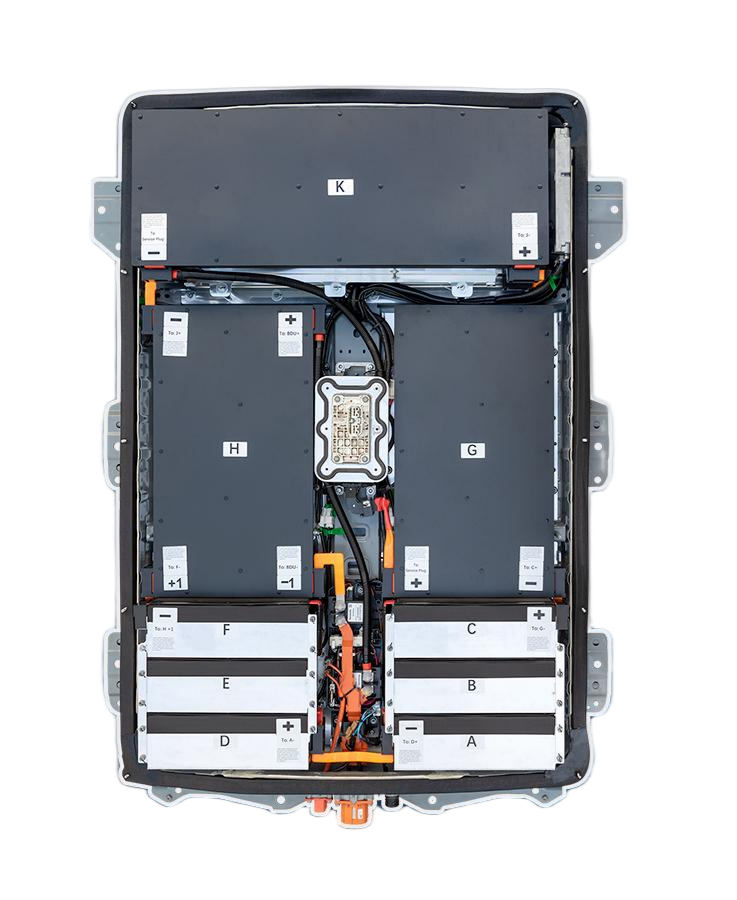
When a Nissan Leaf battery degrades, the root cause is usually the aging of the individual Lithium-Ion cells. The common advice to “replace the modules” is technically a full battery replacement, not a simple repair.
The DIY Trap:
Many owners attempt to open the battery pack, test individual cells with a multimeter, and replace “dead” ones. However, this is fraught with danger:
- High Voltage Risk: The pack operates at over 300V. A single slip can result in severe injury.
- Warranty Void: Opening the pack casing typically voids any remaining manufacturer warranty.
- Cell Matching: Mixing new cells with old, degraded cells creates an imbalance. The Battery Management System (BMS) cannot manage this effectively, leading to rapid re-degradation and potential thermal runaway.
The Verdict: Unless you are a professional with specialized equipment and a controlled environment, attempting to rebuild the original pack is generally not recommended due to safety hazards and poor longevity.
🔄 The Better Path: Full Battery Replacement
For most Leaf owners, replacing the entire battery pack is the safest and most cost-effective long-term strategy. Here is where the choice becomes critical: should you choose a second-hand refurbished pack or a brand-new aftermarket solution?
1. The Problem with Refurbished/Recycled Batteries
Many “repair” shops sell recycled packs sourced from totaled cars. While cheaper upfront, these packs inherit the age of the vehicle they came from.
- Hidden Age: A recycled pack might look new but could already be at 70% capacity.
- Unknown History: You have no data on how the previous owner drove or charged the vehicle.
- Short Lifespan: Expect another 1-2 years of usable life before the cycle repeats.
2. The Modern Solution: New Aftermarket Packs (CNS BATTERY)
Instead of patching up old technology, upgrading to a brand-new aftermarket battery offers a fresh start. Companies like CNS BATTERY specialize in OEM-compatible packs designed specifically for Nissan Leafs (ZE0, ZE1, AZE0) and BMW i3s.
Why a New Aftermarket Pack is Superior:
- Brand-New Cells: Utilizing top-tier cells (such as CATL) ensures maximum energy density and cycle life.
- Cost Efficiency: You save approximately 50%+ compared to the cost of a new OEM battery from a Nissan dealership.
- Extended Warranty: Unlike refurbished units, new packs come with substantial warranties (e.g., 2 years / 80,000 km), providing peace of mind that a “repaired” or recycled battery simply cannot match.
🛠️ Step-by-Step: Replacing Your Leaf Battery (The Plug-and-Play Way)
If you’ve decided to replace the pack, here is the professional process. The good news is that with modern compatible packs, you don’t need to modify your car.
Step 1: Compatibility Check (The Most Important Step)
Before purchasing, you must verify the fitment.
- Identify Your Model: Is it a Leaf ZE0 (2011-2017), ZE1 (2018-2022), or AZE0 (2023+)?
- Check Voltage & Connector: Ensure the aftermarket pack matches the Original Equipment Manufacturer (OEM) specifications exactly. A reputable supplier will offer a free VIN check to guarantee compatibility.
Step 2: Preparation
- Tools Needed: Standard wrenches, screwdrivers, and insulated gloves.
- Safety First: Disconnect the 12V auxiliary battery to cut power to the vehicle’s systems.
Step 3: Removal
- Drain Coolant: If your model uses liquid cooling, drain the coolant from the old pack.
- Disconnect: Unbolt the high-voltage connector and signal cables.
- Lift Out: The Leaf battery is heavy (approx. 300kg). Use a proper lift or engine hoist to remove it safely.
Step 4: Installation
- Clean Mounts: Ensure the chassis battery mounts are free of rust or debris.
- Lower New Pack: Carefully lower the new CNS BATTERY pack into place.
- Reconnect: Attach the signal cables and high-voltage connector. Refill the coolant if applicable.
Step 5: Programming & Test
Modern packs like those from CNS are designed for plug-and-play. However, the BMS may need to be reset or programmed to recognize the new cell chemistry. Most suppliers provide video call support or detailed guides for this final step.
💡 Pro Tips for a Successful Battery “Repair”
- Consider an Upgrade: If your old pack was 24kWh or 30kWh, this is the perfect time to upgrade to a 40kWh or 62kWh pack. You can significantly increase your range without modifying the car’s software extensively.
- Check the BMS: Ensure the new pack includes a robust Battery Management System. A good BMS protects against over-charging, over-discharging, and overheating.
- Warranty is King: Never buy without a warranty. A “repaired” or recycled pack usually comes with no warranty or a very short one. A new pack should offer at least 1-2 years.
❓ Frequently Asked Questions (FAQ)
Is it worth repairing a Nissan Leaf battery?
Generally, no. Physical repairs involving cell replacement are dangerous and complex. However, replacing the entire pack with a new aftermarket solution (often referred to as a “repair” in the industry) is highly worthwhile. It costs half the price of a Nissan OEM battery and restores your car to “like new” condition.
How much does it cost to replace a Nissan Leaf battery?
Costs vary drastically:
- Nissan Dealership (OEM): $10,000 – $16,000+
- Recycled/Refurbished: $3,000 – $6,000 (with high risk of failure)
- New Aftermarket (e.g., CNS): $5,000 – $8,000 (Brand new cells, longer warranty)
Can I install a new battery myself?
Yes, if you have mechanical experience. The process is similar to removing a transmission or engine. It requires proper lifting equipment and safety gear. Most new aftermarket packs are designed for drop-in replacement, but programming the BMS might require technical assistance.
How long do new aftermarket Nissan Leaf batteries last?
With proper care and brand-new cells (like CATL), you can expect a lifespan of 8-10 years or 150,000+ miles, similar to the original factory battery.
🚀 Ready to Restore Your Range?
Don’t let a degraded battery pack end your EV journey. By choosing a high-quality, brand-new replacement solution, you are not just repairing your car; you are upgrading it.
Stop overpaying for recycled parts and get a fresh start.
👉 Get Your Free Custom Quote for a Nissan Leaf Battery Replacement