How DIY Enthusiasts Can Save Money on Leaf ZE1 Battery Upgrade
Are you a Nissan Leaf ZE1 owner struggling with range anxiety? Is the fear of your battery degrading holding you back from daily commutes or weekend trips? You’re not alone. As a Leaf ZE1 owner, you likely love the car’s reliability but dread the high costs associated with replacing the original battery pack. The factory replacement price can be astronomical, often exceeding $15,000 USD, which makes the car nearly uneconomical to repair.
This is where the DIY path becomes not just an option, but a necessity for enthusiasts. However, the biggest hurdle isn’t just the cost of the parts, but finding a solution that is safe, compatible, and doesn’t require a PhD in electrical engineering to install. The anxiety of voiding warranties or receiving a battery that doesn’t fit perfectly is real.
The solution is simpler than you think. By partnering with a manufacturer that designs specifically for the Nissan Leaf ZE1 and provides full DIY support, you can cut the cost of a brand-new 62kWh battery pack by over 50% compared to OEM prices. This guide will walk you through exactly how to execute this upgrade safely and affordably.
Why the Nissan Leaf ZE1 is a Perfect DIY Candidate
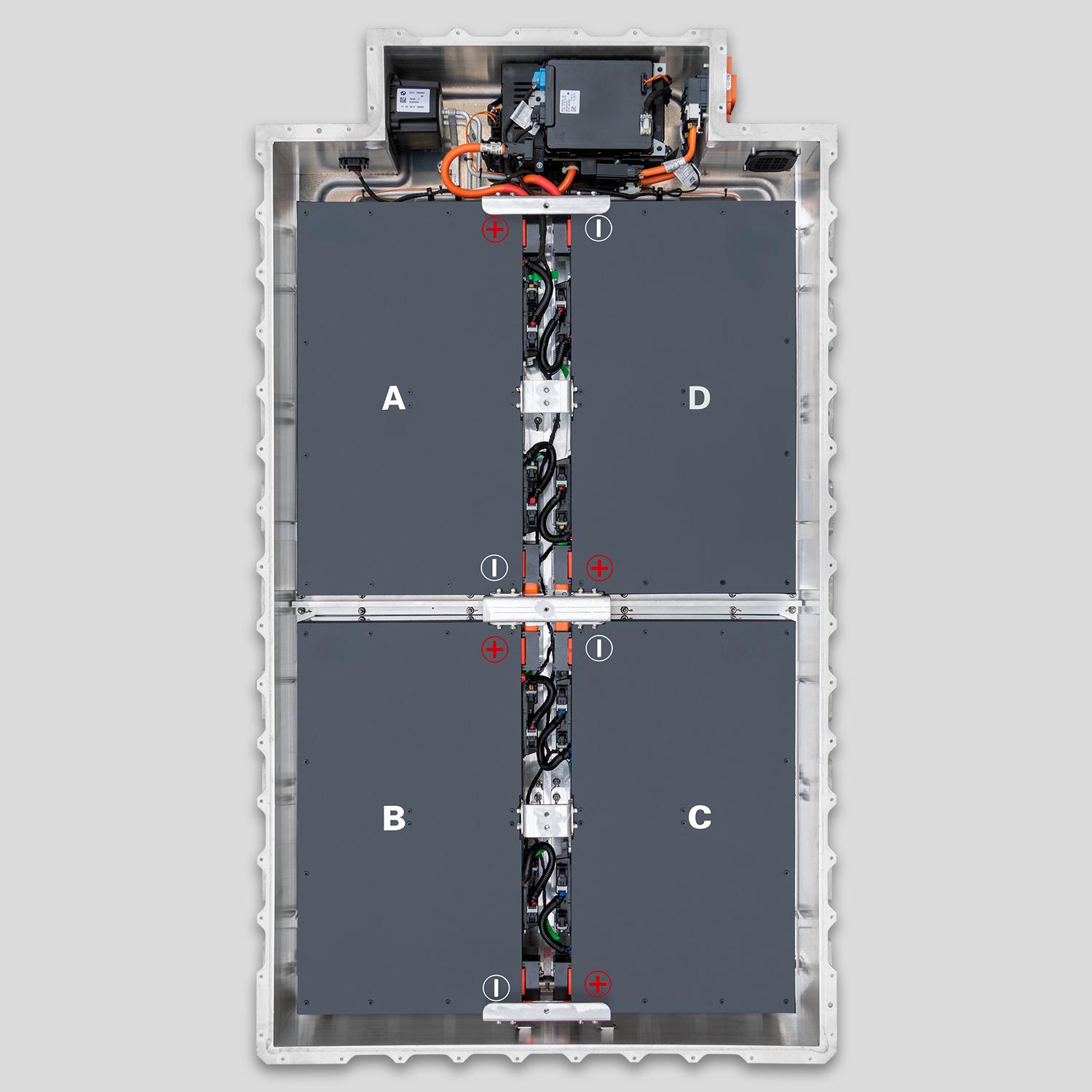
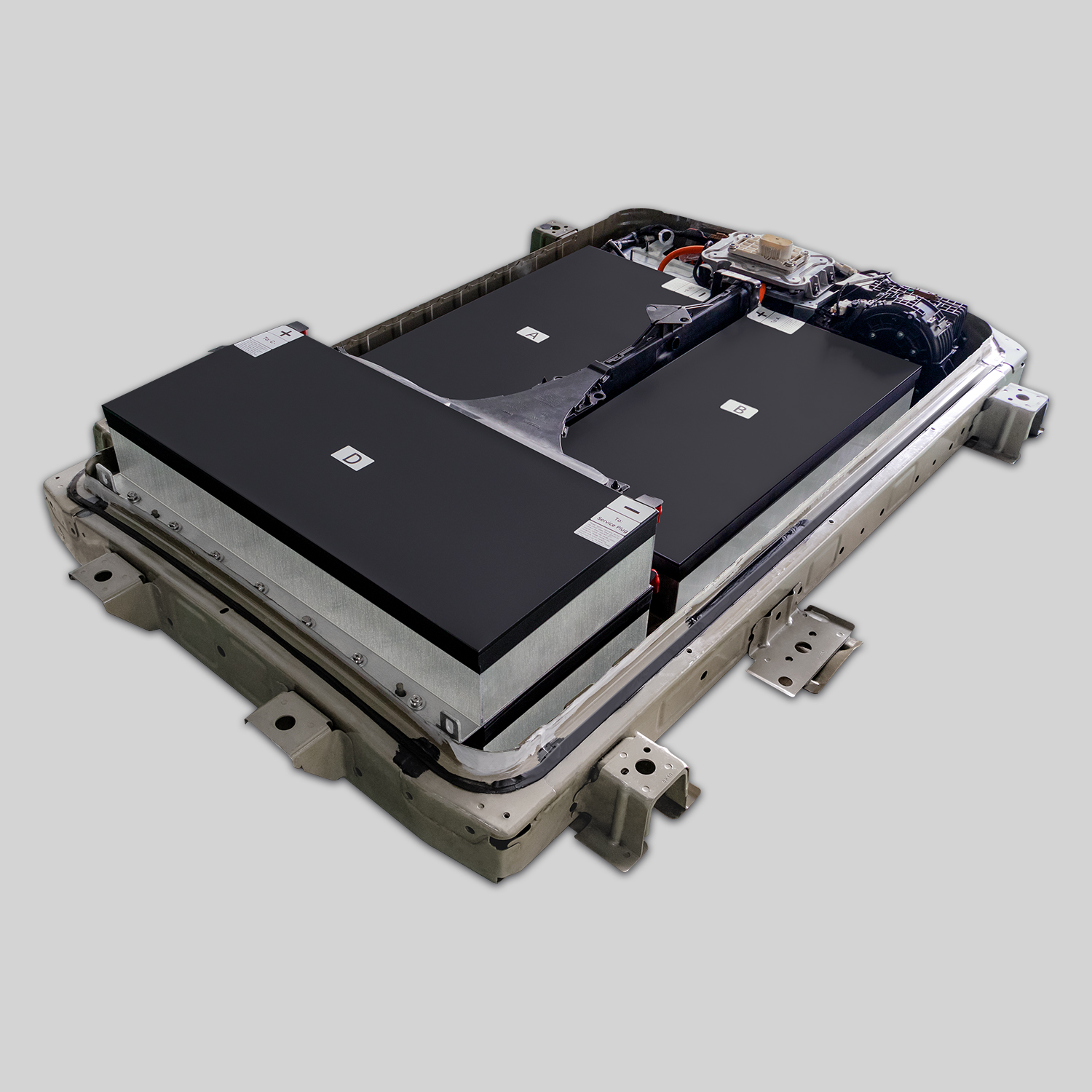
The Nissan Leaf ZE1 (2018-2023 models) is a unique vehicle in the EV market. Unlike older Leafs (ZE0) that required complex module replacements, the ZE1 uses a full pack replacement system. This means that instead of rewiring individual modules, you are essentially swapping one large box for another.
The key to saving money lies in the supply chain. Traditional dealerships mark up the battery pack to cover massive overheads. As a DIY enthusiast, you have the power to go directly to the source. By purchasing a brand-new 62kWh lithium battery pack designed to OEM specifications but without the dealership markup, you instantly save thousands of dollars. The difference in price between a $16,000 dealership quote and an $8,000 direct manufacturer quote is pure profit in your pocket.
The “Plug-and-Play” Myth vs. Reality
One of the biggest deterrents for DIYers is the fear of complex wiring. You might be worried about cutting wires, soldering, or programming the Battery Management System (BMS) yourself. This is where choosing the right supplier makes all the difference.
When looking for a Leaf ZE1 battery upgrade, you need a solution that is truly “Plug-and-Play.” This means:
- Physical Fit: The dimensions must match the OEM chassis perfectly.
- Connector Compatibility: The high-voltage cables and signal connectors must match the original car’s harness.
- BMS Programming: The battery must be pre-programmed or come with the necessary protocols to communicate with the Leaf’s Vehicle Control Unit (VCU).
Many aftermarket batteries on the market are “close enough” but require modifications. A professional DIY solution requires zero modifications to the car’s original wiring. You disconnect the old battery, unbolt it, slide the new one in, and reconnect the original harness. This eliminates the risk of electrical shorts and ensures your car warranty (if applicable) remains intact.
How to Execute the Upgrade: A Step-by-Step Guide
Upgrading your Leaf ZE1 battery is a weekend project, not a months-long ordeal. Here is how the process works when you partner with a manufacturer that supports DIYers:
Step 1: The VIN Compatibility Check
Before you even order, you should perform a free VIN compatibility check. This is crucial. By providing your Vehicle Identification Number (VIN) to the manufacturer’s technical team, they can confirm that the battery pack will fit your specific ZE1 model (including the correct cable routing for your trim year). This step prevents costly mistakes and returns.
Step 2: Installation (Approx. 2 Hours)
Once the battery arrives (usually in a fumigation-free wooden crate for protection), the installation begins. You do not need a lift; a standard floor jack and jack stands are sufficient.
- Disconnect Power: Remove the 12V negative terminal.
- Remove Old Pack: Disconnect the high-voltage cables and signal connectors, unbolt the battery, and slide it out.
- Install New Pack: Slide the new 62kWh lithium battery pack into place. Bolt it down.
- Reconnect: Attach the original high-voltage cables and signal connectors. There is no cutting or splicing required.
Step 3: Programming and First Drive
This is often the scariest part for DIYers. However, with the right support, it is straightforward. If the battery requires specific BMS coding, the manufacturer should provide remote video guidance. Using a simple OBD2 tool and a video call with a technician, you can program the battery in under 30 minutes. Once programmed, the car recognizes it as a brand-new factory battery.
The Hidden Savings: Performance and Warranty
Saving money shouldn’t mean sacrificing quality. A professional DIY solution uses brand-new CATL (Contemporary Amperex Technology Co. Limited) cells or equivalent high-grade lithium-ion cells. These are the same quality cells used in premium EVs, not recycled or refurbished cells from junkyards.
The performance upgrade is significant. Upgrading from a degraded old pack to a brand-new 62kWh pack can restore your range to over 440km (EPA estimated). Furthermore, the best manufacturers offer a 2-year / 80,000km warranty. This is often better than what you get from a used battery or a dealership refurbished unit. This warranty covers manufacturing defects and performance degradation, ensuring you aren’t left stranded.
Why Choose a Direct Manufacturer?
Choosing to buy directly from a manufacturer like CNS BATTERY (instead of a middleman) offers several advantages:
- Price: Cutting out the middleman saves you 50%+.
- Support: You get direct access to the engineers who built the battery, not a retail salesperson.
- Transparency: You know exactly what cell chemistry (NMC) and specifications you are getting.
For the Leaf ZE1 owner, this is the ultimate value proposition. You get a brand-new, high-capacity battery with a long warranty, all while keeping the installation costs at $0 by doing it yourself.
Frequently Asked Questions (FAQ)
Q1: Is it safe for a non-professional to install a Leaf ZE1 battery?
Yes, if you follow the provided video tutorials and safety guidelines. The Leaf ZE1 uses a “Plug-and-Play” harness system, meaning you do not need to cut or splice wires. The high-voltage cables connect via simple twist-lock connectors, similar to the original factory setup. Most users report the physical installation takes about 2 hours with basic tools.
Q2: Will this void my car’s remaining warranty?
A properly installed aftermarket battery that uses OEM-compatible connectors and protocols should not void your car’s warranty. However, it is always best to check your specific vehicle’s warranty terms. Reputable manufacturers design their batteries to be indistinguishable from the OEM pack to the car’s computer system.
Q3: How do I know if my specific Leaf ZE1 model is compatible?
Compatibility depends on the year and specific cable routing of your ZE1. To ensure a perfect fit, you should utilize a free VIN compatibility check service offered by the manufacturer. By providing your VIN, their technical team can confirm the exact fitment for your vehicle.
Q4: What is the expected range after installing a new 62kWh battery?
A brand-new 62kWh battery pack typically restores the range to approximately 440km (EPA estimated). Real-world range may vary slightly based on driving habits, temperature, and terrain, but users generally report a significant improvement over degraded original packs.
Q5: What kind of warranty comes with the DIY battery kit?
Reputable manufacturers offer a comprehensive warranty, typically 2 years or 80,000km (whichever comes first). This warranty covers defects in materials and workmanship and often includes protection against excessive performance degradation (e.g., guaranteeing the battery retains at least 70% capacity during the warranty period).
Q6: How long does shipping take?
Shipping times vary depending on your location and the shipping method chosen (air vs. sea). International shipping for lithium batteries requires strict compliance with IATA/IMDG regulations. Manufacturers usually partner with carriers like DHL or FedEx for faster delivery, or offer sea freight for bulk orders.