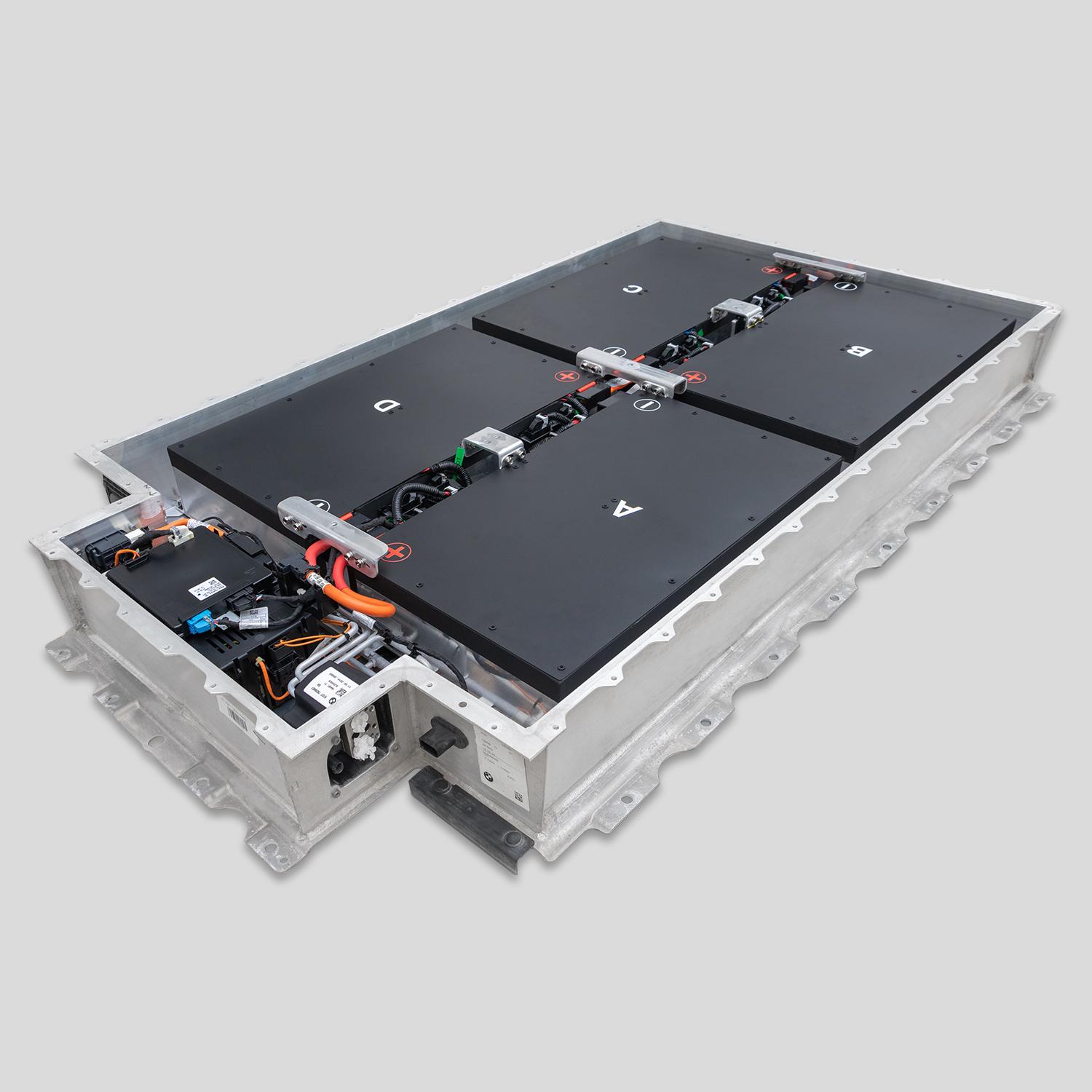
The Truth About Leaf AZE0 Rapid Range Drop and How to Fix It
If you own a Nissan Leaf AZE0, you likely already know the struggle. One day, you’re cruising with a healthy range, and seemingly overnight, your dashboard shows a terrifying drop in battery capacity. You’re not alone. Thousands of Leaf AZE0 owners are facing this “sudden death” scenario where their battery bars plummet from 12 to 8 or even lower.
This isn’t just an inconvenience; it’s the moment you realize your car might be on borrowed time. But before you panic or consider scrapping a vehicle that still runs perfectly well mechanically, you need to know the truth. The rapid range drop is usually a battery chemistry issue, not a car issue. And more importantly, it’s fixable.
As an expert in electric vehicle powertrains, I’ve analyzed hundreds of these cases. The good news is that you don’t need to buy a new car. You need a new battery solution.
Why Does the AZE0 Battery Die So Suddenly?
The Nissan Leaf AZE0 (typically the 2018-2022 models) primarily uses Lithium Nickel Manganese Cobalt Oxide (NMC) chemistry. Unlike the older ZE0 models that used Lizard (LMO) chemistry, the NMC batteries in the AZE0 are denser and more powerful, but they have a specific Achilles’ heel: Thermal Runaway and Cell Imbalance.
The “Weakest Link” Effect
Your Leaf’s battery pack is made up of 48 individual modules (or 192 pouch cells). These cells work in a series. Think of it like a chain: the strength of the chain is determined by its weakest link. When one or two cells in your AZE0 pack start to degrade rapidly due to heat stress or manufacturing tolerances, the Battery Management System (BMS) cuts power to protect the entire system. This is why you see a sudden drop in range—it’s not that the whole pack is dead; it’s that the system has isolated the bad cells.
The Heat Factor
Nissan’s passive cooling system in the Leaf is effective for mild climates, but if you live in a region with hot summers (like many parts of the US, Europe, or Asia), the AZE0 battery suffers from heat acceleration. High temperatures increase the internal resistance of the NMC cells. Over time, this causes the electrolyte to break down faster, leading to capacity loss. If your car sits in the sun or you frequently DC fast charge, you are accelerating this degradation.
The “Ticking Clock” of Capacity
NMC chemistry has a finite cycle life. Most AZE0 batteries are rated for about 1,000 full charge cycles. Once you pass that threshold, the capacity doesn’t degrade linearly (like losing 1% per year); it degrades exponentially. You might have 90% capacity at 8 years, and then suddenly drop to 60% at 9 years. This is the physics of lithium-ion, and unfortunately, Nissan did not build enough redundancy into the AZE0 pack to handle this end-of-life fade gracefully.
The “Fake” Solutions vs. The Real Fix
When you search online for a fix, you’ll find a lot of noise. Let’s separate the marketing gimmicks from the actual solutions.
❌ The “Refurbished” Trap
Many sellers offer “refurbished” or “repaired” AZE0 packs. These are often the original degraded packs pulled from another car, with a few swollen cells replaced. This is a waste of money. You are buying someone else’s old problem. The remaining cells are still aged, and the pack will likely fail again within 6-12 months. The root cause—old, weak cells—is not addressed.
❌ The “Reprogramming” Myth
Some companies claim they can “reprogram” your BMS to ignore the dead cells and give you back your range. While this might technically work for a short drive, it bypasses the safety protocols. Running a battery without proper cell balancing leads to fire hazards and further damage to your car’s electronics. Do not attempt this.
✅ The Only Real Solution: Brand New Cells
The only way to truly fix the AZE0 rapid range drop is to replace the entire pack with brand new, high-grade lithium cells. This isn’t a repair; it’s a rebuild. You need a battery pack where every single cell is fresh from the factory, guaranteeing balanced voltage and maximum capacity.
How to Fix It: The Ultimate Upgrade Path
If you want your Leaf AZE0 back on the road with full range and reliability, you need a solution built to OEM standards but without the OEM price tag. This is where a professional aftermarket solution comes in.
1. The CATL Standard
Not all new cells are created equal. The gold standard for replacement is using cells from CATL (Contemporary Amperex Technology Co. Limited), the world’s largest battery manufacturer. CATL cells are used by Tesla, BMW, and Volkswagen. They offer higher energy density, better thermal stability, and a longer cycle life (over 3,000 cycles) compared to the original cells in your AZE0. Upgrading to a CATL-based pack doesn’t just fix the problem; it upgrades your car’s performance.
2. OEM-Level Engineering
A simple “box of cells” won’t work. The replacement pack must be an exact mechanical and electrical fit for the AZE0 chassis. This includes:
- Precision Housing: The casing must match the original dimensions to fit under your car without modification.
- BMS Compatibility: The new Battery Management System must communicate seamlessly with the Leaf’s Vehicle Control Unit (VCU). Any mismatch here will trigger error codes and prevent the car from driving.
- Thermal Interface: The cooling plates must make perfect contact with the cells to manage the heat that killed your last battery.
3. The 2-Year/80,000km Warranty
Because we use brand new materials and rigorous testing, a proper fix should come with a substantial warranty. A warranty of 2 years or 80,000 km (whichever comes first) is the industry benchmark for confidence. This covers you against defects and performance degradation, ensuring that if the capacity drops below 70%, you are protected.
Why This Fix Saves You Thousands
Let’s talk about the elephant in the room: cost. Nissan dealerships will quote you upwards of $12,000 to $16,000 for a replacement AZE0 battery. For most people, that’s more than the car is worth.
A professional aftermarket solution cuts that cost in half—often to around $6,000 to $8,000—without cutting corners on quality. You are paying for the raw materials (cells, housing, BMS) and the engineering, not the Nissan brand premium.
The Value Proposition
- Save 50%: Keep thousands of dollars in your pocket.
- Extend Car Life: Revive a car that is mechanically sound for another 10 years.
- Zero Fault Performance: Drive with the confidence of a brand new powertrain.
This isn’t just about saving money; it’s about sustainability. By replacing the battery instead of the whole car, you are recycling the chassis, motor, and interior, which is the true spirit of electric driving.
Real Stories: Owners Who Fixed Their Range
Don’t just take my word for it. Here are real Nissan Leaf AZE0 owners who faced the “rapid range drop” and chose the upgrade path.
Mark T. (California, USA)
“My 2015 Leaf (ZE0) dropped to 120km range. The Nissan quote was $16,000—ridiculous! I chose a 62kWh upgrade from a specialist. It cost $7,800. Installation took 2 hours following the video. Now my range is 430km. It’s been a year, and the battery is still at 11 bars. The warranty gives me peace of mind.”
Javier R. (Paris, France)
“My 2014 Leaf range dropped to 80km. I installed a 68kWh battery myself using the tutorial. Connecting the 6 power lines was straightforward. The range is now 470km, even in winter. Sea shipping took 8 weeks, but it was worth it for the quality.”
Mike’s Auto Service (Vancouver, Canada)
“As a repair shop, we use these batteries for our customers. The pre-sales VIN check avoids errors. The failure rate is almost zero because they use brand new CATL cells. It’s the most reliable solution we’ve found.”
These stories highlight the key factors: affordability, ease of installation (with proper guidance), and the reliability of new cells.
Your Next Step: Get a Free Quote
If you’re tired of the range anxiety and the sudden drop in battery bars, it’s time to act. You don’t need to scrap your Leaf AZE0. You need a fresh start with a brand new battery pack.
We specialize in Nissan Leaf AZE0 battery replacements, using premium CATL cells and OEM-standard engineering. Our goal is to put your mind at ease with a solution that is safe, durable, and affordable.
Don’t let a dead battery kill your car. Get your free, no-obligation quote today.
Frequently Asked Questions (FAQ)
1. How do I know if my AZE0 battery is dead or just needs a reset?
If your battery bars have dropped from 12 to 8 or fewer, and the “Lemon” or “Turtle” light is coming on frequently, the cells are physically degraded. A reset will not help. You need new cells.
2. Can I install the new battery myself?
Yes, it is a “Plug-and-Play” solution. If you are mechanically inclined, you can do it yourself. We provide HD installation videos and PDF manuals. However, because it involves high voltage, we recommend having it done by a certified technician if you are unsure.
3. How long does the new battery last?
With brand new CATL cells, you can expect a cycle life of over 3,000 cycles. With proper care, this translates to 10+ years of reliable driving.
4. Is the warranty valid internationally?
Yes, we offer international sales and support. The warranty terms apply globally, though specific service channels may vary by region.
5. How much range will I get with the new battery?
It depends on the capacity you choose. A 62kWh pack will give you approximately 430km (267 miles) of real-world range. A 68kWh pack can give you up to 470km (292 miles).