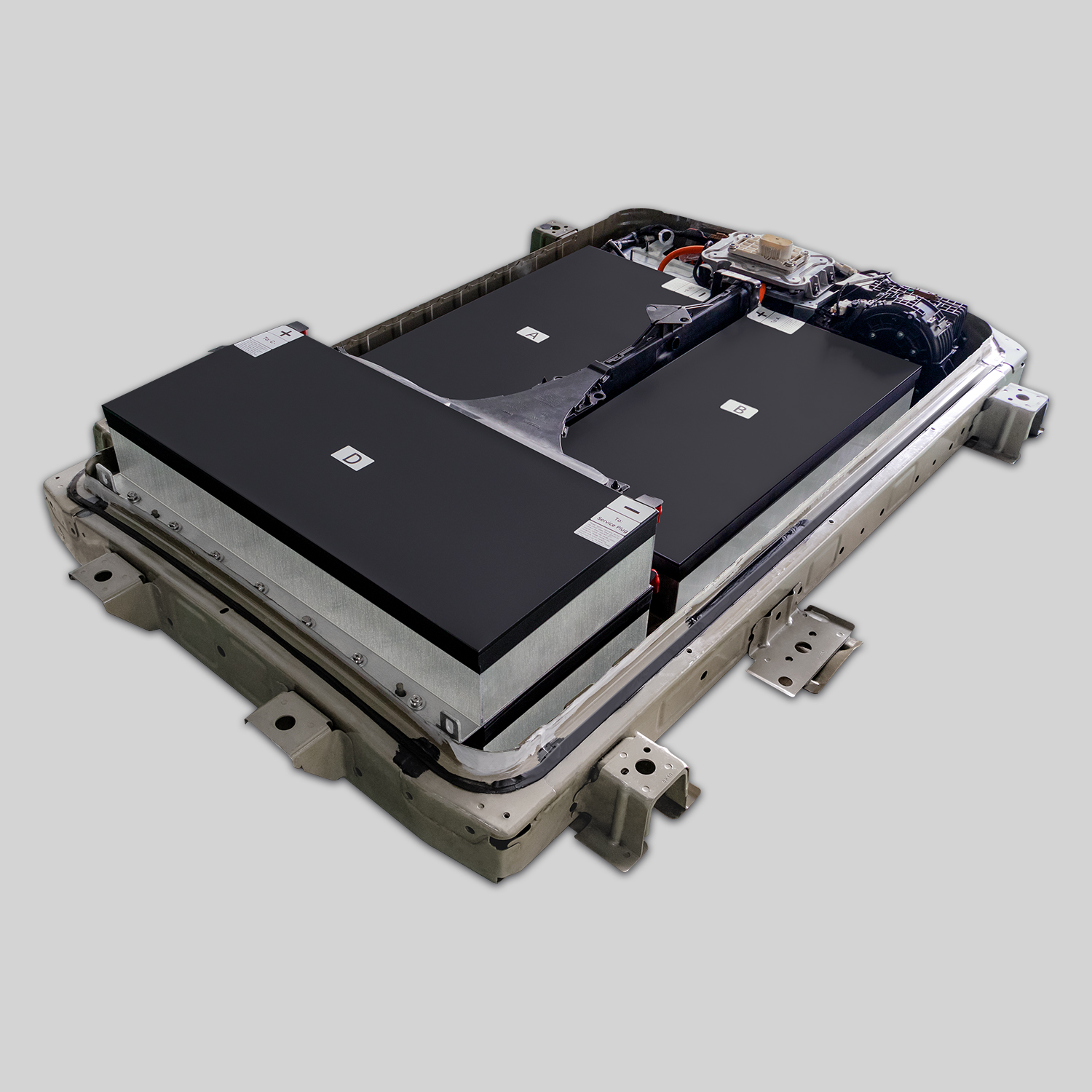
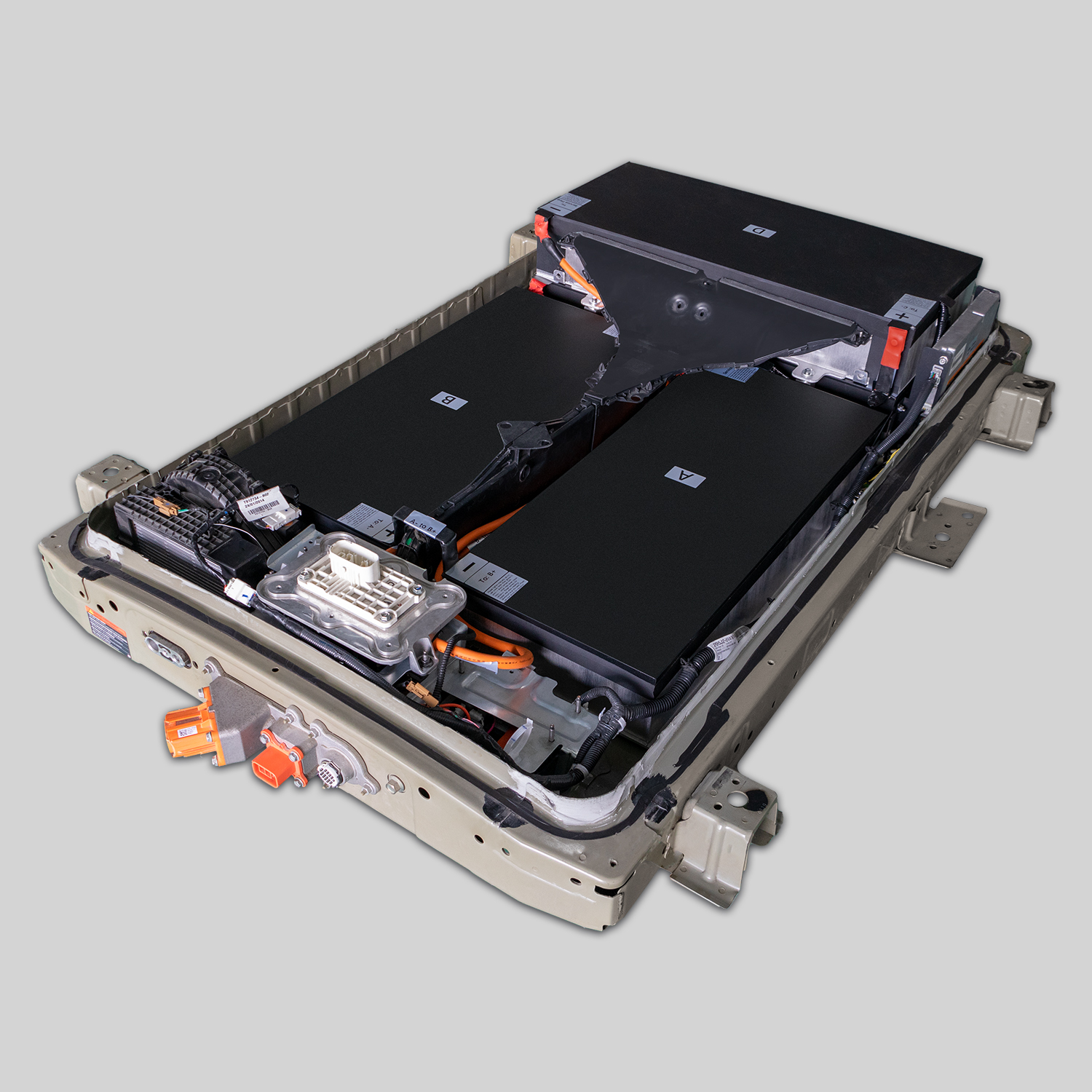
How to Extend Your Leaf ZE0 Battery Life and Avoid Swollen Modules
The Nissan Leaf ZE0 (2011-2017) is a legendary car in the EV world. However, after a decade of service, many owners face the same grim reality: swollen modules and capacity fade.
If your Leaf is showing signs of battery degradation, or if you want to prevent the dreaded “module bulge” before it happens, you are not alone. As a dedicated EV battery specialist, I have seen thousands of ZE0 packs fail due to thermal stress and aging. In this guide, I will share professional maintenance tips to extend your current battery’s life, and crucially, explain how to avoid the same fate if you are considering a replacement.
Why Do Leaf ZE0 Batteries Swell?
Before we fix the problem, we need to understand the enemy. The ZE0 uses a specific chemistry (Lithium Manganese Oxide – LMO) that is prone to swelling when it gets hot.
- Thermal Runaway: The ZE0 lacks active liquid cooling. It relies on passive air cooling, which is insufficient for the heat generated by the LMO cells during fast charging or hot weather.
- Gas Generation: As the cells age and heat up, they produce gas. In a rigid battery pack, this gas has nowhere to go, causing the metal casings to expand—this is what we see as “swollen modules.”
- The Domino Effect: One swollen module creates pressure on its neighbors, causing them to fail faster.
3 Proven Strategies to Save Your ZE0 Battery
If you are still driving with the original pack, immediate action is required.
1. Master the Temperature (The 80°F Rule)
Heat is the #1 killer of the ZE0 battery.
- Preconditioning: Always precondition your battery before DC fast charging. If your car has the “CHAdeMO” port, ensure the fan is running before you plug in.
- Parking: Never park in direct sunlight for extended periods. Use a carport or sunshade.
- Charging Habits: Avoid fast charging when the ambient temperature is above 85°F (30°C). Stick to Level 2 (AC) charging whenever possible to minimize internal heat generation.
2. The “Golden State of Charge”
Unlike newer EVs, the ZE0 battery chemistry degrades faster at high states of charge.
- Cap it at 80%: Avoid charging to 100% daily. Nissan’s own research suggests keeping the charge between 20% and 80% significantly extends life.
- Never Store at 100%: If you are storing the car for a week or more, discharge it to 40-60%.
3. Physical Inspection & Maintenance
- Check the Air Filter: The ZE0 has an air intake filter (usually behind the front grille). A clogged filter means no airflow, leading to instant overheating.
- Monitor the Bars: If you lose the first bar on your dashboard, it is a warning sign. Do not ignore it—get the pack checked immediately.
The Reality Check: When Maintenance Isn’t Enough
If your battery is already swollen, maintenance cannot reverse physical damage. Rebuilding a ZE0 pack is a complex engineering challenge. Most “remanufactured” packs on the market simply shuffle old cells, which guarantees the same failure will happen again in 6-12 months.
This is why many ZE0 owners are turning to brand-new, high-spec replacements designed to outperform the original.
Why Upgrading to a New 62kWh Pack is the Ultimate Solution
At CNS Battery, we specialize in solving the ZE0’s inherent flaws. We don’t just replace your battery; we upgrade it to eliminate the root causes of swelling.
1. Chemistry Upgrade: From LMO to NMC
The original ZE0 cells (AESC) were LMO. Our replacement packs utilize modern NMC (Nickel Manganese Cobalt) chemistry, typically using premium cells from manufacturers like CATL. NMC cells are thermally more stable and do not suffer from the same gas generation issues as aging LMO cells.
2. Structural Integrity
Our packs are engineered with modern safety standards. We do not just shove cells into an old box. Our enclosures are designed for rigidity and safety, preventing the physical deformation seen in the OEM packs.
3. The Range Resurrection
Let’s be honest: the original 24kWh or 30kWh packs are obsolete. By upgrading to a 62kWh lithium battery pack, you are not just fixing the car; you are transforming it. You go from a 70-mile city car to a 200+ mile capable vehicle.
4. Zero Risk with Unbeatable Warranty
We back our engineering with a 2-year / 80,000 km warranty. Unlike the original Nissan battery (which had a short lifespan), our warranty covers capacity retention, ensuring your pack maintains at least 70% health for years to come.
Making the Switch: What to Expect
Replacing your ZE0 battery is a significant investment in your vehicle. Here is what sets a professional replacement apart from a risky DIY rebuild:
- Plug-and-Play Design: Our packs are designed to match OEM dimensions and connectors. There is no hacking or splicing required.
- BMS Compatibility: The Battery Management System (BMS) is fully programmed to communicate with your Leaf’s dashboard, eliminating error codes.
- Real-World Results: Owners report consistent range and zero swelling issues even after years of use.
Expert Tip: Before purchasing any replacement battery, always ask: “Are these brand-new cells, or are they recycled?” If it sounds too cheap, it is likely repackaged old stock that will swell again.
Conclusion
The Nissan Leaf ZE0 is a durable chassis, but the original battery technology was a product of its time. By understanding the thermal limitations and upgrading to a modern, high-quality pack, you can drive without the anxiety of swollen modules.
If your ZE0 is struggling, don’t settle for a temporary patch. Upgrade to a solution built for the future.
Ready to revive your Leaf? Get a free, no-obligation quote for a brand-new replacement battery today.
Get Your Free Custom Quote Now
Frequently Asked Questions (FAQ)
Q1: Can I repair swollen modules in my Leaf ZE0 without replacing the whole battery?
A: Technically, yes, you can replace individual modules. However, this is rarely recommended. If one module swells, the chemistry in the others is already degraded. Swapping a few modules often leads to imbalance, causing the new modules to fail quickly. A full pack replacement with brand-new cells is the only long-term, safe solution.
Q2: How much does it cost to replace a Leaf ZE0 battery?
A: Costs vary widely. “Rebuilt” packs using recycled cells can start around $3,000-$4,000 but carry high failure risks. A brand-new 62kWh pack from a reputable manufacturer like CNS Battery typically costs more upfront (around $7,000-$8,000) but offers double the range and a proper warranty, making it far more cost-effective in the long run.
Q3: Is it worth replacing the battery in a 2013-2017 Nissan Leaf?
A: Absolutely. The ZE0 chassis, suspension, and motor are extremely robust and can last 200,000+ miles. The only weak link is the battery. Installing a new 40kWh or 62kWh pack effectively turns your car into a “new” EV with modern range and performance.
Q4: What is the range of a Leaf ZE0 with a 62kWh upgrade?
A: With a 62kWh pack, you can expect a real-world range of approximately 200-230 miles (320-370 km), depending on driving conditions. This is a massive upgrade from the original 75-mile range.
Q5: How long does a battery replacement take?
A: The physical installation usually takes a professional mechanic about 1-2 hours. This includes removing the old pack, installing the new one, and running diagnostics. If you are doing it yourself, plan for a full day to ensure safety and proper programming.