Ultimate e-NV200 Van 40kWh to 50kWh Swap Tutorial
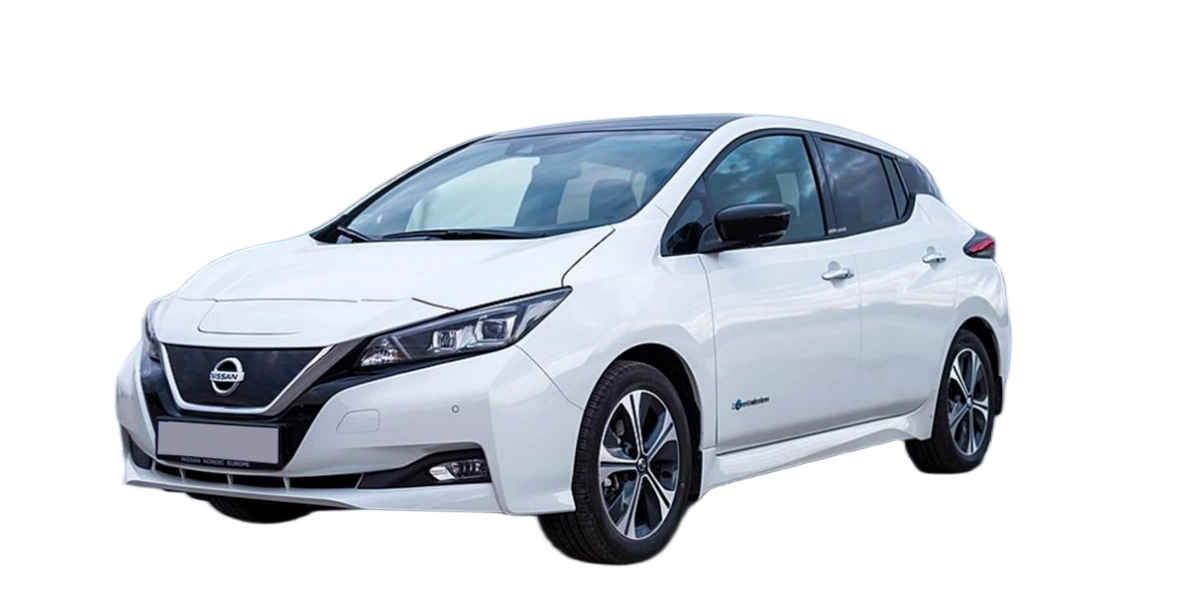
The Nissan e-NV200 is a workhorse for many businesses and families. However, if you own an early model (2014-2018), you likely have the original 40kWh battery pack. While reliable, this capacity often leads to “range anxiety,” especially in colder months or when carrying heavy loads.
Upgrading from a 40kWh to a 50kWh lithium battery is one of the most effective ways to breathe new life into your van. This upgrade can increase your range by approximately 30-40km (20-25 miles), bringing the total closer to the newer model standards.
At CNS BATTERY, we specialize in OEM-compatible Nissan EV powertrains. Based on our extensive technical experience and customer feedback, here is our expert guide to swapping your e-NV200 battery.
Why Upgrade from 40kWh to 50kWh?
Before diving into the technical steps, let’s look at the “why.” The 40kWh battery, while durable, suffers from capacity degradation over time. Even when new, its theoretical range of 170km (106 miles) is often reduced to 100-120km (62-75 miles) in real-world driving with HVAC usage.
By upgrading to a brand-new 50kWh battery pack, you gain:
- Increased Range: Real-world range improves to approximately 150-170km (93-106 miles).
- New Cell Technology: Modern cells (like those we source from CATL) offer better thermal management and energy density.
- Cost Efficiency: A full replacement battery is significantly cheaper than buying a new van.
Step 1: Pre-Installation Preparation
Safety First
Lithium batteries store high voltage. Before starting, ensure you have the following safety gear:
- Insulated rubber gloves (rated for high voltage).
- Safety goggles.
- A fully charged fire extinguisher nearby.
Vehicle Check
Ensure your e-NV200 is parked on a level surface. Engage the parking brake and turn the ignition off completely. It is highly recommended to disconnect the 12V auxiliary battery negative terminal to prevent any accidental short circuits during the initial disassembly.
Step 2: Removing the Old 40kWh Battery
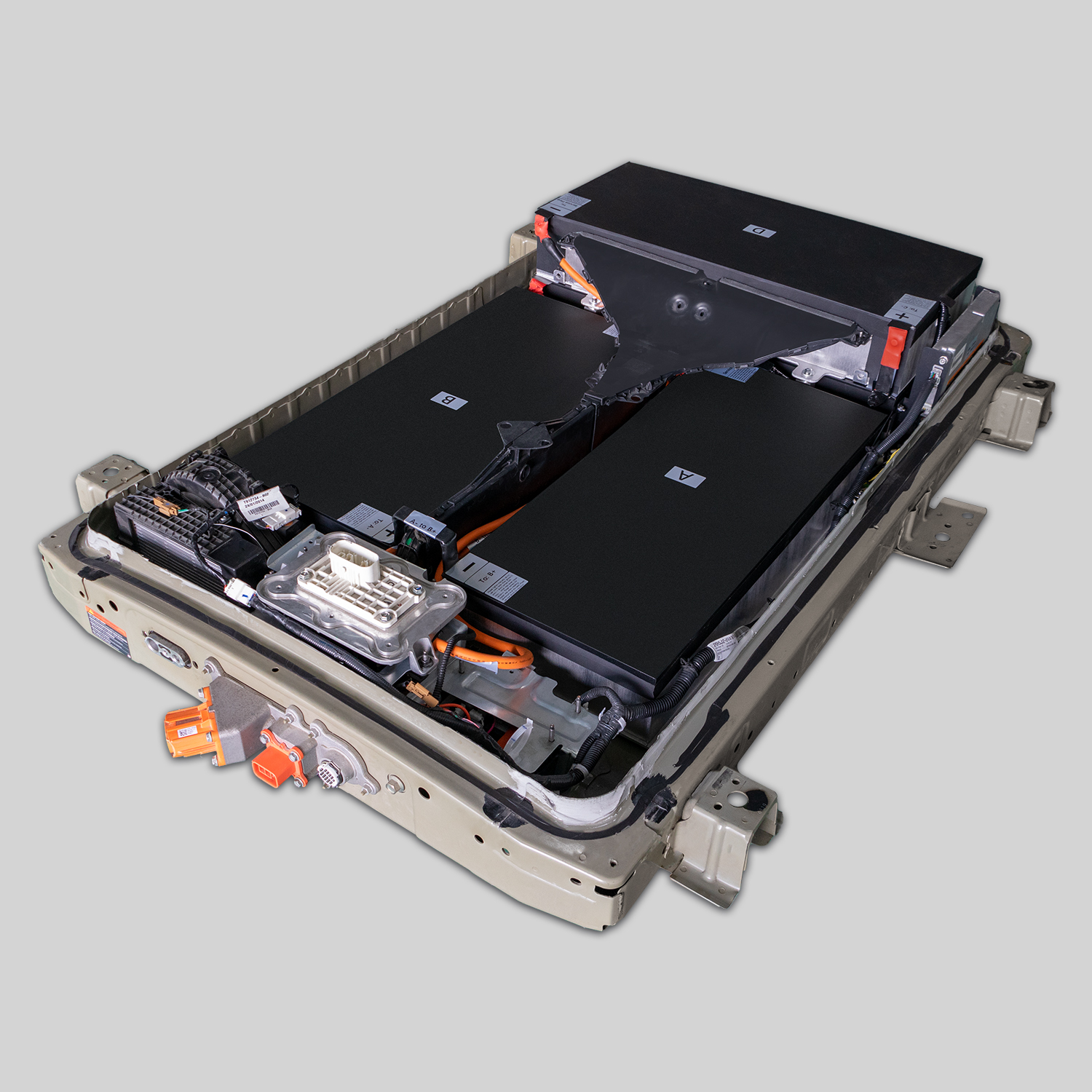
- Access the Battery: The battery is located under the floor of the passenger compartment. You will need to remove the interior floor panels and seats to access the battery cover bolts.
- Disconnect Cables: Carefully disconnect the high-voltage (HV) connectors and the low-voltage communication harnesses. Note: The connector layout for the 40kWh and 50kWh packs is generally the same, ensuring plug-and-play compatibility.
- Unbolt and Remove: Remove the mechanical mounting brackets and bolts securing the battery to the chassis. The 40kWh pack weighs approximately 290kg (639 lbs), so mechanical assistance (a lift or trolley) is required to safely remove it.
Step 3: Installing the New 50kWh Battery
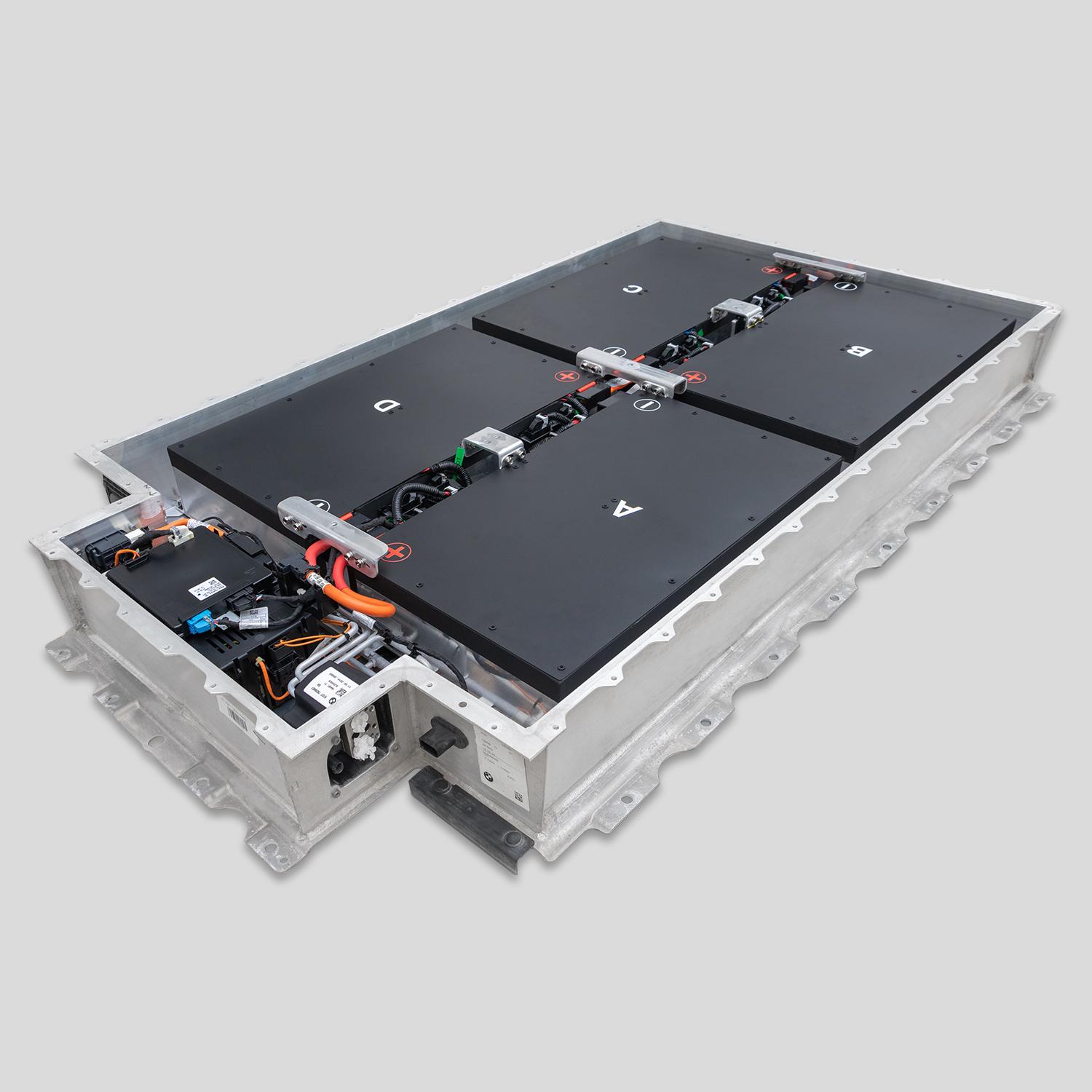
This is where the upgrade magic happens. Our CNS 50kWh battery packs are designed to fit the OEM footprint perfectly.
- Positioning: Carefully position the new 50kWh battery into the chassis cradle. Although the capacity is higher, the physical dimensions (Length: 1620mm, Width: 1370mm, Height: 147mm) are identical to the 40kWh unit, ensuring a seamless fit.
- Secure Mounting: Reinstall the original mounting brackets and bolts to secure the new battery. Torque the bolts to the manufacturer’s specification (typically 80-100 Nm).
- Reconnect Harnesses: Reconnect the high-voltage cables and the low-voltage signal connectors. Ensure all connections are tight and secure to prevent resistance heating.
Step 4: System Integration and Testing
After the physical swap, the final step is crucial for the dashboard to recognize the new capacity.
- Reconnect 12V: Reconnect the negative terminal of the 12V battery.
- Power On: Turn the ignition on (do not start the car yet). The BMS (Battery Management System) will begin communicating with the vehicle’s ECU.
- Initial Charge: Connect the van to a charger. The system should automatically recognize the new battery capacity after a full charge cycle. If the dashboard displays an error or does not show the correct SOC (State of Charge), a simple reset procedure or a quick diagnostic tool reset may be needed.
Expert Tip: Some users report that the “Battery Health” display might initially show the old percentage. A full discharge and recharge cycle usually recalibrates this automatically.
Why Choose a CNS BATTERY 50kWh Pack?
When performing this swap, choosing the right replacement battery is critical. At CNS, we engineer our packs specifically for this upgrade path.
- OEM Compatibility: We use brand-new CATL battery cells, ensuring the chemistry and voltage curves match the Nissan ECU expectations perfectly.
- Plug-and-Play Design: No modifications to the chassis or wiring harness are required. It uses the same connector types and mounting points.
- Extended Warranty: We back our batteries with a 2-year / 80,000km warranty, which is significantly longer than most aftermarket alternatives. This covers capacity retention (ensuring it stays above 70%).
- Cost Savings: Compared to a brand-new OEM replacement from a dealership (which can exceed $12,000 USD), our solution offers the same performance and safety at roughly 50% of the cost.
Thomas B., a customer from Amsterdam, recently upgraded his 2022 e-NV200: “The installation was surprisingly simple. The complete battery pack was plug-and-play… Now, the full charge consistently provides 348km of range… The seller also provided a free installation toolkit, including insulated gloves and terminal cleaner, which was very thoughtful.”
Frequently Asked Questions (FAQ)
1. Will the 50kWh battery physically fit in my old e-NV200?
Yes. The Nissan e-NV200 battery dimensions remained standardized between the 40kWh and 50kWh variants. The mounting points, connector locations, and overall footprint are identical. You do not need to modify the chassis.
2. Do I need to reprogram the car’s computer after the swap?
Generally, no major reprogramming is required. The Battery Management System (BMS) in our 50kWh packs is designed to communicate seamlessly with the Nissan ECU. Most vans will recognize the new capacity after a full charge cycle. In rare cases, a simple diagnostic tool reset may be needed to clear legacy fault codes from the old battery.
3. How much does the installation cost?
If you are a DIY enthusiast with basic mechanical skills, the swap can be done in about 2 hours. If you hire a professional mechanic, labor costs vary by region but typically range between $500 and $1000. The process involves removing floor panels, disconnecting cables, and bolting in the new unit.
4. What is the expected lifespan of the new 50kWh battery?
Our batteries are built with new-grade cells designed for longevity. With proper care and charging habits, you can expect a lifespan of 8-10 years or 150,000+ km. Our 2-year warranty guarantees the capacity will not drop below 70% during the coverage period.
5. Where can I buy a genuine 50kWh upgrade kit?
To ensure you receive a battery with new cells (not refurbished) and the proper warranty, it is best to source directly from a specialized manufacturer like CNS BATTERY. We offer global shipping and technical support for this specific upgrade.
If you are ready to eliminate range anxiety and upgrade your e-NV200, contact our technical experts now for a free quote and compatibility check.