🛠️ The Ultimate DIY Guide: Reviving Your Nissan Leaf with a 30kWh Battery Repair
Is your 30kWh Nissan Leaf struggling with “range anxiety”? If you own a Leaf AZE0 or ZE1, you might be feeling the pinch of battery degradation or facing a hefty repair bill. As a dedicated EV battery expert, I understand the frustration. You don’t want to buy a new car, but replacing the battery with an OEM unit often costs more than the vehicle is worth.
This is where the DIY repair revolution comes in. For the savvy enthusiast, repairing your 30kWh battery pack isn’t just possible; it’s the most cost-effective way to extend your car’s life for another decade. In this guide, I will walk you through why the 30kWh pack fails, how you can fix it yourself, and where to source reliable, brand-new replacement modules.
🔋 Why the 30kWh Nissan Leaf Battery Fails
Before we dive into the fix, let’s understand the enemy. The Nissan Leaf 30kWh battery (found in models from 2013-2017) is a robust design, but time is its kryptonite.
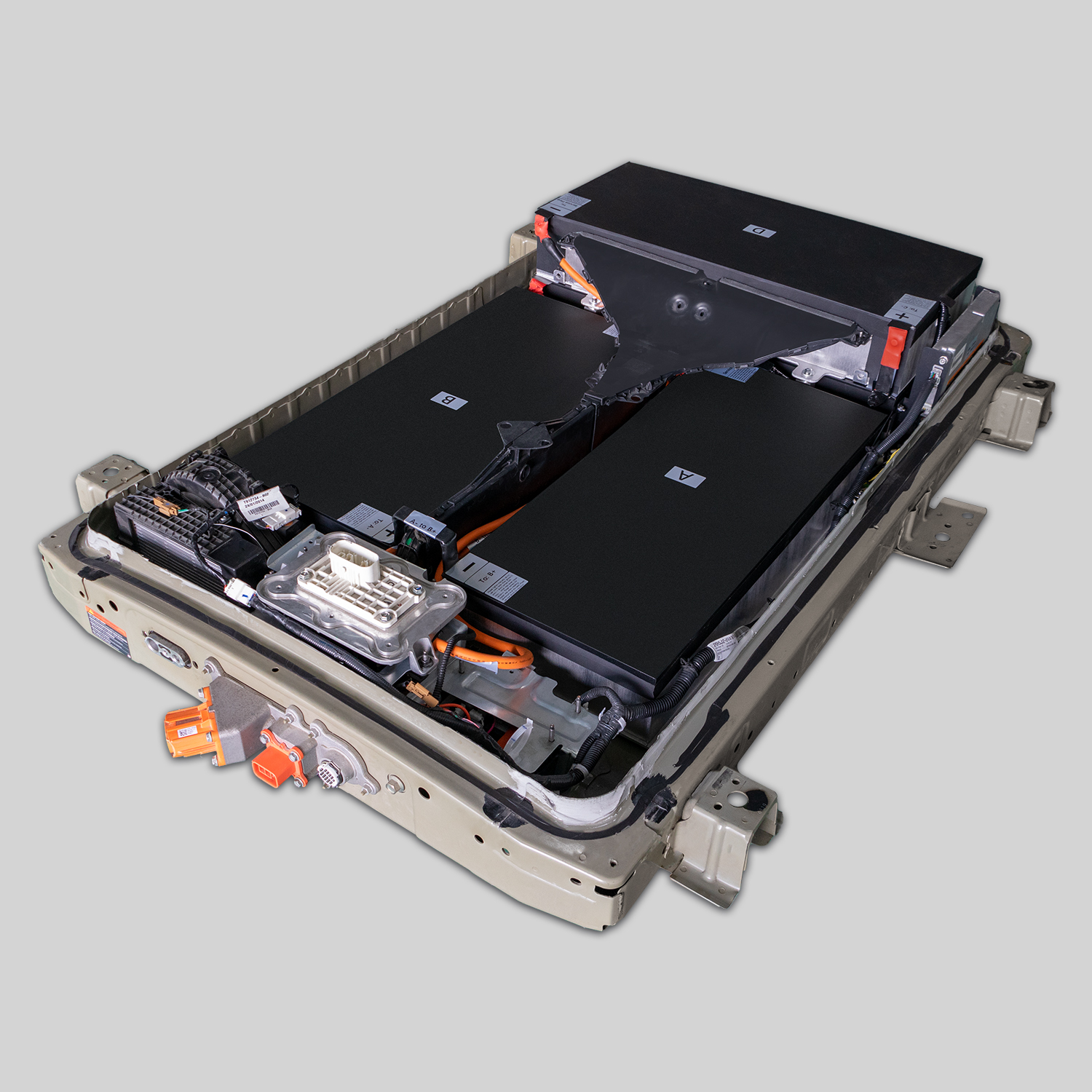
Unlike the 24kWh pack, the 30kWh uses a different chemistry (LMO – Lithium Manganese Oxide) which, while powerful, is prone to swelling and increased internal resistance as it ages. If your Leaf is reporting only 1 or 2 bars on the dashboard, or the capacity has dropped below 50%, it’s likely not the entire pack that’s dead—usually, it’s a few weak or swollen modules dragging the whole system down.
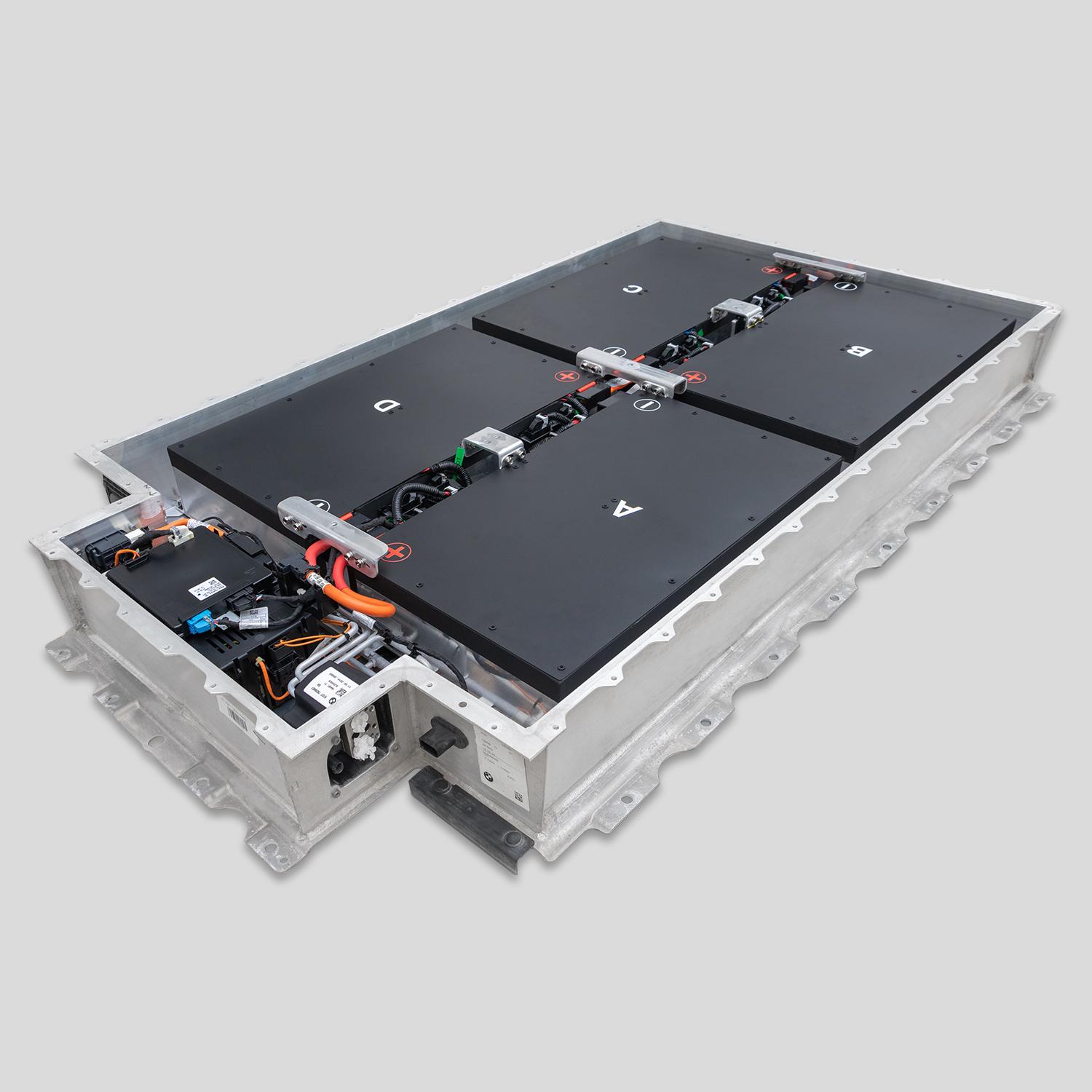
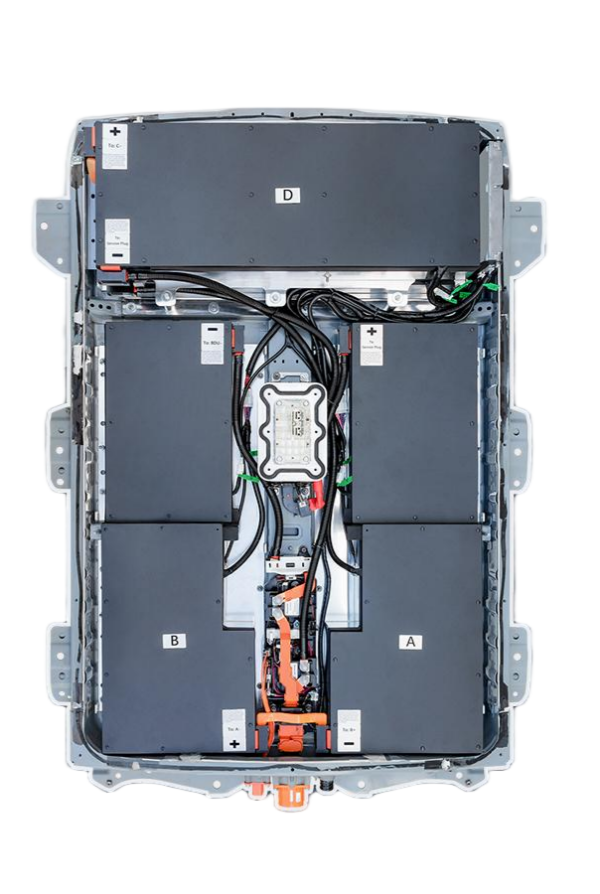
The good news? You don’t need to replace all 48 modules. A targeted repair can bring your range back to life.
🛠️ DIY Repair: A Step-by-Step Strategy for Enthusiasts
Repairing a high-voltage battery pack is serious work, but it is absolutely within the reach of a determined DIYer. Here is the professional workflow I recommend:
1. Diagnosis is Key
Don’t buy parts until you test. You need a Nissan Consult scanner or a compatible OBD2 tool that can read the Battery Management System (BMS).
- Check the Voltage: Identify which of the 48 modules are reading abnormally low (below 3.5V) or fluctuating.
- Check the Resistance: High internal resistance is the silent killer of EV batteries.
2. Sourcing the Right Parts
This is where most DIYers go wrong. Do not buy used or “repaired” modules from unknown sellers.
- The Risk: Used modules are already degraded and likely to fail again in 6-12 months.
- The Solution: You need brand-new, OEM-specification modules. At CNS Battery, we manufacture these specifically for the Leaf 30kWh (AZE0/ZE1) platform. Our modules use fresh, Grade-A cells to ensure compatibility and longevity.
3. The Physical Swap
Once you have the new modules:
- Safety First: Disconnect the 12V battery and wait 15 minutes to discharge the capacitors.
- Access: Remove the service plug and the top cover of the battery pack.
- Swap: Disconnect the faulty module’s harness and replace it with the new one. The physical connection is plug-and-play for the modules themselves.
- Reassembly: Carefully put the cover back on, ensuring the foam seals are intact to prevent moisture ingress.
💰 Why DIY Repair Saves You Thousands
Let’s look at the math. This is why the DIY route is unbeatable.
| Option | Estimated Cost (USD) | Longevity Expectancy | DIY Required? |
|---|---|---|---|
| Dealership Replacement | $12,000 – $16,000 | 5+ Years | No |
| Local Mechanic Repair | $3,000 – $5,000 | 2-3 Years | No |
| DIY Module Repair | $800 – $1,500 | 3-5+ Years | Yes |
By sourcing the modules directly and doing the labor yourself, you save over 80% compared to a dealership. That kind of savings makes the 3 hours of work in your garage look like a very smart investment.
🏭 Why “Brand New” Matters for 30kWh Repairs
I cannot stress this enough: Avoid “remanufactured” or “recycled” cores.
When you buy a “remanufactured” module online, you are often buying a module that has already been repaired once with used cells. The 30kWh chemistry degrades quickly, so used cells have very little life left.
Our Recommendation:
At CNS Battery, we specialize in providing Brand New 30kWh Modules. We use fresh cells from top-tier manufacturers (like CATL) to build modules that meet the original factory specifications. This ensures:
- No Swelling: Fresh cells have stable chemistry.
- Full Voltage: You get the full 3.7V per module, restoring your full 30kWh capacity.
- Peace of Mind: We back our modules with a 2-year warranty.
📚 DIY Resources and Support
I know the fear of high voltage can be daunting. That is why we provide more than just parts—we provide support.
- Installation Videos: We have detailed, step-by-step videos showing the exact process for the AZE0 and ZE1 models.
- Technical Hotline: If you get stuck on the wiring or the BMS reset, our engineers are available via video call to guide you through it.
- Compatibility Guarantee: We perform a free VIN check to ensure the modules you receive are a perfect match for your specific Leaf model year.
🚀 Ready to Fix Your Leaf?
If you are tired of paying for expensive taxis or struggling to make it to work, it is time to take control. Repairing your 30kWh Nissan Leaf battery is the ultimate way to breathe new life into your car without breaking the bank.
Don’t let a dead battery kill your EV dream.
We are here to help you every step of the way. Whether you need a single module or a full pack rebuild, our team of experts is ready to provide you with the highest quality, brand-new modules at factory-direct prices.
Get your free, no-obligation quote today and get your Leaf back on the road.
❓ Frequently Asked Questions (FAQ)
Q1: Can I really do this repair myself, or do I need a mechanic?
A: Absolutely, you can do it yourself! The Nissan Leaf battery is designed with modularity in mind. If you are comfortable changing your own oil or doing basic car maintenance, you have the skills. The process is essentially “plug and play” for the modules. We provide video tutorials and phone support to guide you through the BMS reset if needed.
Q2: What is the difference between a 30kWh “module” and a “pack”?
A: The pack is the entire battery case containing 48 individual modules. If only a few modules are bad, you only need to replace those specific modules. However, if your pack is severely degraded or swollen, replacing the entire set of 48 modules (a full pack rebuild) is the most cost-effective way to get a “new” battery.
Q3: How long will the new modules last?
A: Our brand-new modules use fresh lithium cells. With proper care and our thermal management tips, you can expect 3 to 5 years of reliable service, or even longer. This is significantly better than used modules, which often fail within a year.
Q4: Is there a warranty on the modules?
A: Yes. We offer a standard 24-month warranty or 80,000 km (whichever comes first) on all our battery modules. This covers defects in materials and workmanship, giving you peace of mind that you are not buying a ticking time bomb.
Q5: Do I need special tools to install the modules?
A: No specialized high-voltage tools are needed. You will need basic hand tools like wrenches and screwdrivers. The most important “tool” is safety gear—insulated gloves and safety glasses are mandatory when working inside the high-voltage compartment.