How EV Repair Shops Can Save Money on Leaf ZE0 Battery Swaps
If you run an EV repair shop in 2026, you know the Nissan Leaf ZE0 (2011-2017 models) is flooding your bays. These early EV pioneers are hitting the wall on battery degradation. The old dilemma? Source a costly OEM replacement or gamble on a refurbished pack with unknown history.
There is a smarter, more profitable third option: New OEM-Compatible Battery Swaps.
As a technical expert at CNS BATTERY, I’ve seen repair shops across the US, Europe, and Australia shift their strategy. By switching from “refurbished” or “second-life” batteries to brand-new, compatible replacements, shops are cutting costs in half while boosting their profit margins and customer satisfaction.
Here is how your shop can optimize the Leaf ZE0 battery swap process.
1. The Hidden Cost of “Cheap” Refurbished Batteries
Many shops default to refurbished batteries because the upfront price seems low. However, this is a false economy.
- High Failure Rates: Refurbished packs are essentially cannibalized from wrecked cars. The cells are already aged (often 10+ years old), and the BMS (Battery Management System) is prone to failure.
- Labor Loss: When a refurbished battery fails after 6 months, the customer comes back to you, not the scrap yard. You eat the labor cost for the second swap.
- Reputation Damage: A “new” battery that only lasts a year destroys trust.
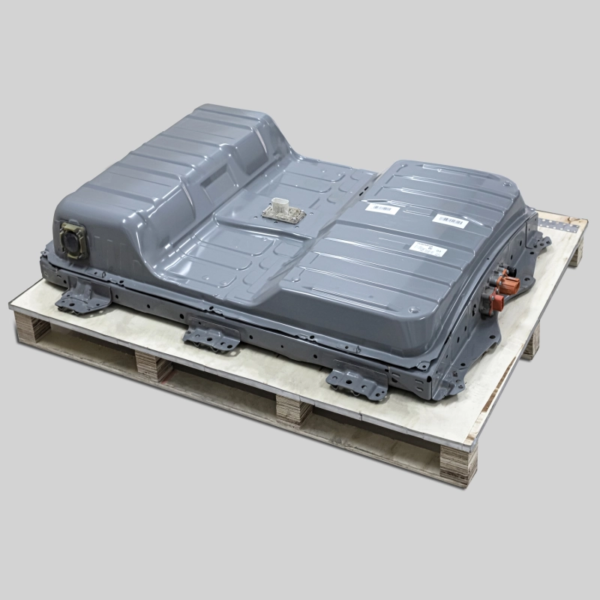
The Alternative: A brand-new battery built to OEM specifications. At CNS, we use fresh CATL cells—the same quality tier used by major OEMs. While slightly higher upfront than a scrap yard pack, the zero failure rate and longevity make it the cheapest option in the long run.
2. The 50% Cost-Saving Strategy
The biggest barrier for Leaf ZE0 owners is the price tag of a genuine Nissan replacement (often $12,000+). This forces customers to look for sketchy solutions.
By offering a New Compatible Battery, you bridge the gap:
- Price: You can offer a full replacement for roughly 50% of the OEM price.
- Value: You are selling a brand-new product, not a used one. This allows you to maintain healthy labor markup while giving the customer a premium solution.
- Inventory: Unlike OEM, where you might need to order and wait, compatible suppliers often have stock, reducing your turnaround time.
3. The Technical Edge: Why Compatibility Matters
A battery swap isn’t just about bolting in a heavy box. It needs to speak the car’s language.
For the Leaf ZE0, the critical factor is the BMS programming. A generic battery will throw error codes, but a properly engineered compatible battery integrates seamlessly.
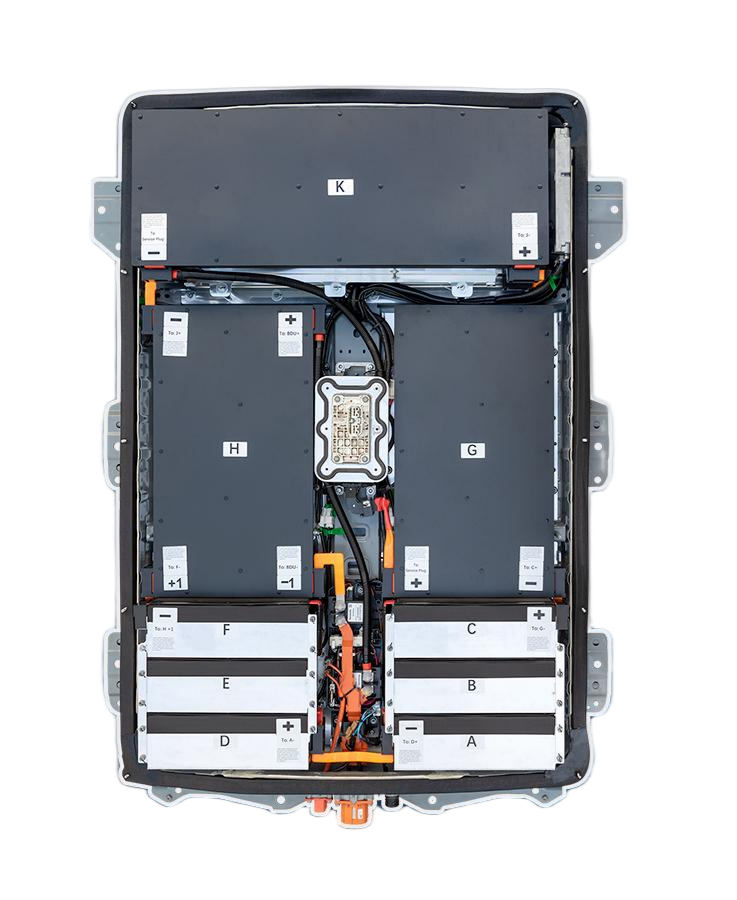
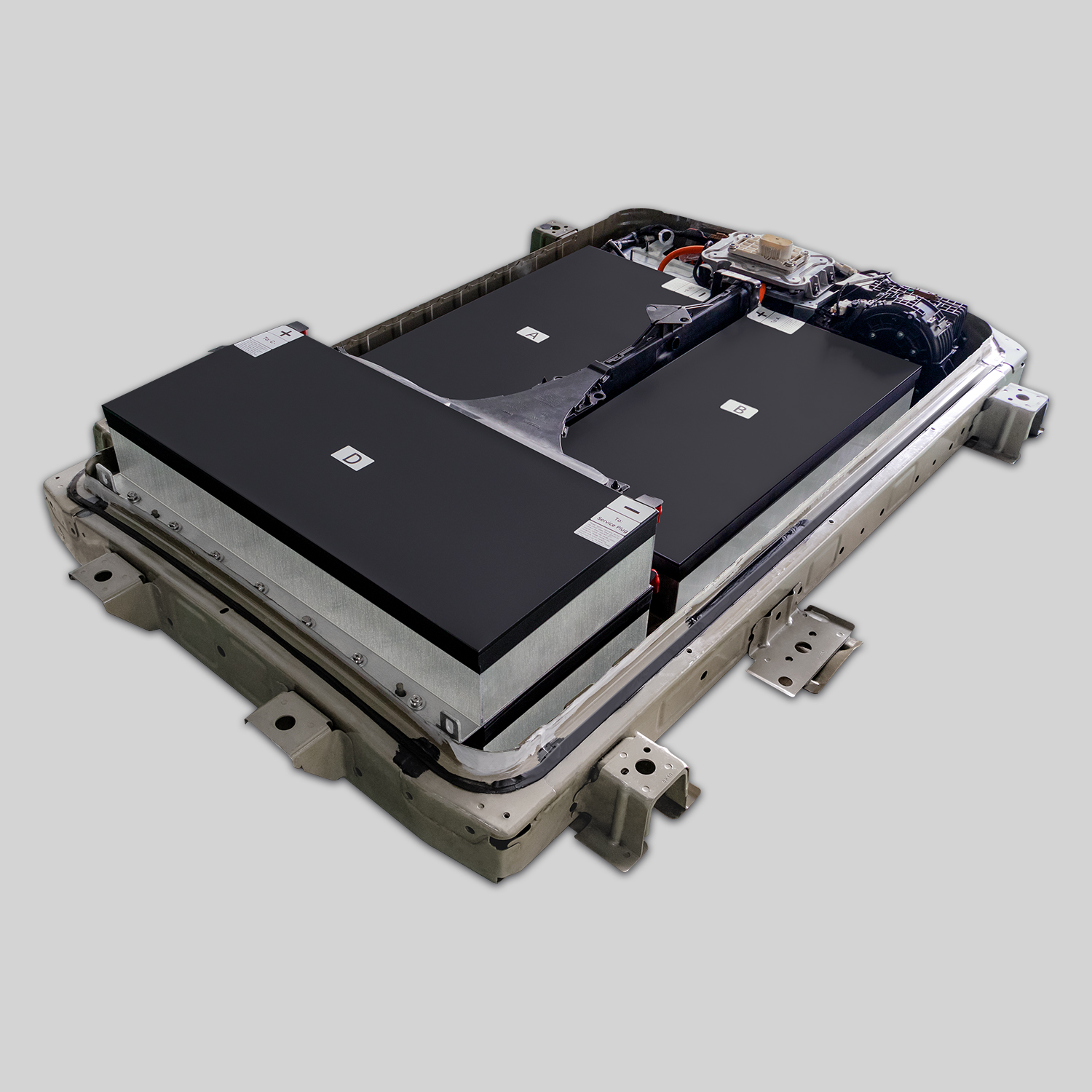
- Plug-and-Play Design: The best compatible batteries (like ours) use the original connectors and harnesses. There is no cutting or splicing wires—this saves your technicians hours of labor.
- OEM Communication Protocol: The BMS must communicate voltage, temperature, and SOC (State of Charge) accurately to the Leaf’s ECU. If it doesn’t, the car won’t drive properly, or the charging logic breaks.
- Thermal Management: The ZE0 uses an air-cooling system. A compatible battery must maintain the same airflow channels as the OEM pack to prevent overheating.
4. Real-World Case Study: From Refurb to New
Let’s look at a scenario from one of our partner shops in Vancouver (Mike’s Auto Service):
- The Problem: A 2014 Leaf ZE0 came in with a dead battery. The owner was quoted $14,000 for OEM. The shop found a “cheap” refurbished pack for $3,500 total.
- The Result: The car drove fine for 8 months. Then, the BMS failed. The shop had to re-book the customer, re-swap the battery, and eat the $800 labor cost because the refurb supplier vanished.
- The Fix: The shop switched to a CNS New Compatible Battery. They charged the customer $7,800 (still half the OEM price). Two years later, no callbacks. The shop made a profit, and the customer got a “new” car.
5. How to Execute the Perfect Swap
To maximize savings and efficiency on a Leaf ZE0 swap, follow this technician checklist:
- Pre-Purchase VIN Check: Do not guess. Send the VIN to your supplier to confirm the specific ZE0 variant (some early and late models have minor bracket differences).
- Drain the Old Oil: The ZE0 battery has a thermal interface material (often a white grease or paste). While the new compatible batteries come pre-applied, ensure the contact points on the chassis are clean.
- BMS Coding: Most new compatible batteries come with the base software pre-loaded. However, ensure your shop has the correct VCM (Vehicle Communication Module) interface to handshake the new BMS with the car’s ECU. (Tip: Reputable suppliers provide free video support for this step).
- Final Inspection: Check the 12V auxiliary battery reset. Sometimes, the car’s memory needs clearing after a full power cut.
6. The Future-Proof Solution
The Leaf ZE0 is a classic car now. Owners aren’t looking to scrap them; they want reliability.
By positioning your shop as the place that offers “New Battery Quality at Refurbished Prices,” you solve the customer’s range anxiety and their fear of hidden costs. You aren’t just replacing a battery; you are reviving a vehicle with a component that has a 2-year / 80,000 km warranty.
This is how modern EV repair shops stay competitive in 2026.
Frequently Asked Questions (FAQ)
1. Is a compatible battery truly plug-and-play for the Leaf ZE0?
Yes, if sourced from a reputable manufacturer. The physical dimensions, connector types (including the CAN bus communication), and mounting points are engineered to match the OEM specifications exactly. You should not need to modify wiring harnesses.
2. How much can I realistically save compared to Nissan OEM?
You can expect to save approximately 50% to 60% on the battery pack cost itself. When you factor in the reduced risk of callbacks (compared to refurbished batteries), the total operational cost saving for your shop can be even higher.
3. What about the warranty?
A major advantage of new compatible batteries is the warranty structure. While OEM might offer a long warranty but at a high cost, and refurbished offers almost none, new compatible batteries typically offer robust warranties (e.g., 2 years / 80,000 km) that protect both you and your customer against defects.
4. Are the cells in compatible batteries as good as Nissan’s?
Top-tier compatible manufacturers use cells from premium suppliers like CATL or EVE. These are brand-new Grade A cells, which often outperform the aged cells found in “remanufactured” OEM packs pulled from salvage yards.
Ready to upgrade your shop’s battery supply chain? Contact our technical experts now for customization and bulk pricing.