Comparing Leaf AZE0 Battery Upgrade Options: OEM vs Aftermarket
Is your Nissan Leaf AZE0 struggling to keep up with your daily commute? As an electric vehicle ages, the reality of battery degradation hits hard. You might be staring down the steep price tag of a brand-new OEM (Original Equipment Manufacturer) battery and wondering if there’s a smarter path. You’re not alone. Many Leaf owners in 2026 are facing this exact crossroads.
As a specialist in Nissan EV powertrains, I’ve helped hundreds of drivers navigate this decision. The truth is, the “OEM vs Aftermarket” debate isn’t just about price—it’s about value, compatibility, and getting your car back on the road without emptying your bank account. In this guide, we’ll break down the real differences so you can make an informed choice.
🤔 The Core Dilemma: Why Upgrade the AZE0?
The Nissan Leaf AZE0, a staple of the electric vehicle revolution, relies heavily on its battery chemistry. Over time, Lithium-ion cells degrade. You might notice the dreaded “Turtle Mode” appearing sooner, or your daily range dropping from 150 miles to barely 70.
When this happens, you have three main paths:
- Live with the reduced range (Not ideal for most).
- Buy a new car (Expensive and wasteful if the rest of your Leaf is in good shape).
- Upgrade the battery (The most cost-effective solution).
Let’s dive into the two primary upgrade options available today.
🔧 Option 1: The OEM Route (Original Manufacturer)
The OEM battery is what came in your car from the factory. It’s the “gold standard” for compatibility.
- The Good: Perfect fitment. It integrates seamlessly with the car’s BMS (Battery Management System) and requires no modifications.
- The Reality: Cost. An OEM replacement can easily cost $12,000 to $16,000. For a used or aging vehicle, this often doesn’t make financial sense. It’s like buying a new engine for a car worth $5,000.
Expert Insight: While OEM batteries are reliable, the markup is primarily for the brand name and the dealership network. The technology inside is often 5-10 years old, meaning you’re paying a premium for outdated energy density.
💡 Option 2: The Aftermarket Route (Smart Refurbishment)
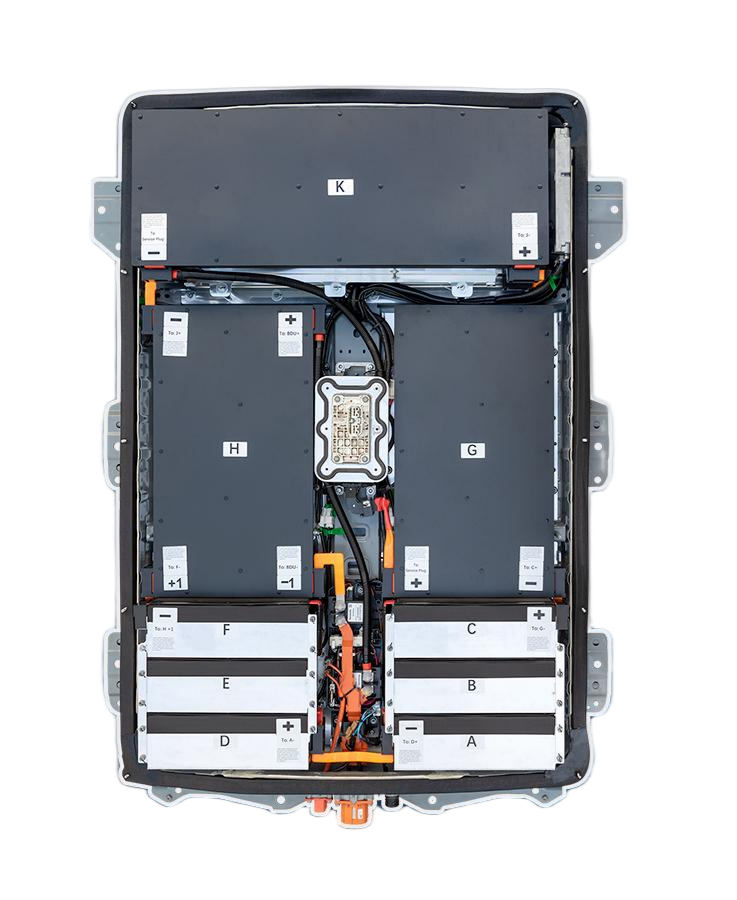
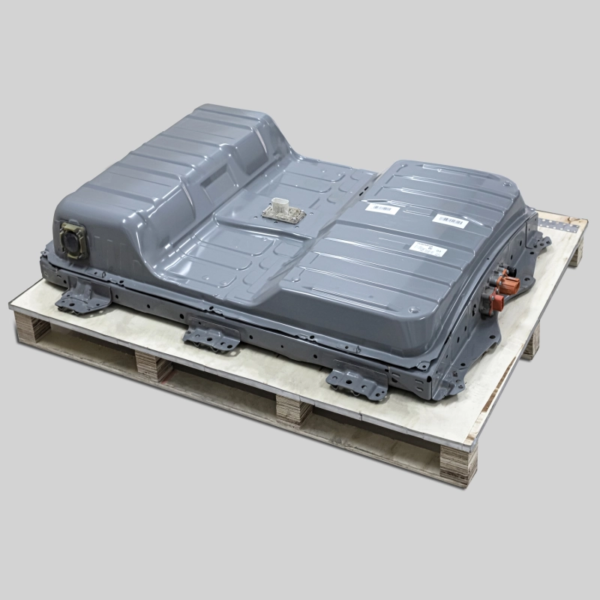
This is where the market has evolved significantly. A high-quality aftermarket or refurbished solution doesn’t mean “cheap junk.” It means recycling the robust Nissan shell and replacing the core cells.
What is a Quality Aftermarket Battery?
A premium aftermarket battery (like those we engineer at CNS) takes the original Nissan AZE0 module housing and replaces the degraded cells with brand-new, A-grade cells from top-tier manufacturers like CATL.
Why This is Often the Better Choice:
- Cost Efficiency: You save 50% or more compared to OEM.
- Modern Technology: You’re often getting 2020s or 2025s battery chemistry (higher density, better thermal management) inside a 2010s chassis.
- Sustainability: We reuse the steel casing and hardware, reducing electronic waste.
⚖️ Head-to-Head: OEM vs Premium Aftermarket
To make this crystal clear, let’s compare the two options directly.
| Feature | OEM Factory Battery | Premium Aftermarket (New Cells) |
|---|---|---|
| Core Cells | Factory original (Aged tech) | Brand New CATL/LG cells (Latest tech) |
| Price Range | $12,000 – $16,000 | $5,000 – $8,000 |
| Warranty | Standard Manufacturer Warranty | 2 Years / 80,000 km (Often better coverage) |
| Compatibility | Perfect (Obviously) | Perfect (OEM-standard engineering) |
| Performance | Original specs | Matches or exceeds original specs |
The Verdict: If you want to spend half the money and potentially get a battery with better chemistry and a solid warranty, the premium aftermarket route is the logical choice.
🛠️ What to Look for in an Aftermarket AZE0 Battery
Not all aftermarket batteries are created equal. The market is flooded with options, but quality control is key. Here is what separates a reliable upgrade from a ticking time bomb:
1. Cell Quality is Everything
Beware of sellers using “Grade D” cells or recycled cells from other EVs. You must insist on Brand New, A-Grade Cells. Companies like CATL supply cells that match or surpass the original Nissan specifications in terms of energy density and safety.
2. The “Plug and Play” Promise
Your AZE0 battery needs to communicate with the car. A good aftermarket battery should be OBD2 compatible and require zero modifications to the wiring harness or BMS. If a seller tells you the car needs “coding” or “ECU reprogramming,” proceed with extreme caution.
3. Warranty Coverage
Don’t buy without a warranty. A standard for high-quality refurbished packs should be at least 2 years or 80,000 kilometers. This shows the manufacturer stands behind their product.
4. Installation Support
The AZE0 battery pack is heavy and complex. While some experts do DIY, having access to video call support or detailed installation guides from the supplier is a massive safety net.
📈 The Upgrade Process: From Old to New
So, you’ve decided to go the aftermarket route. What happens next?
- Compatibility Check: You provide your VIN or model year. A reputable supplier confirms the exact fit for your AZE0.
- Selection: You choose the capacity (usually 40kWh, 50kWh, or 62kWh for the Leaf).
- Manufacturing: The workshop builds your pack using the recycled module housing and new cells.
- Delivery & Installation: The battery arrives, and you install it (or have a mechanic do it). It should be a direct bolt-on replacement.
📝 Conclusion: Making the Right Choice for Your Leaf
Upgrading your Nissan Leaf AZE0 battery doesn’t have to be a financial burden. While the OEM option offers peace of mind, it often comes with an exorbitant price tag for outdated technology.
The modern solution is a Premium Aftermarket Battery built with new, high-quality cells. It offers the best of both worlds: the reliability of the Nissan chassis and the performance of modern Lithium-ion technology, all at half the price.
If you’re ready to restore your Leaf’s range and performance, don’t let the sticker shock of an OEM battery stop you. Explore the high-quality aftermarket options that can get you back on the road safely and affordably.
❓ Frequently Asked Questions (FAQ)
Q1: Will an aftermarket battery void my car’s remaining warranty?
A: Generally, no. The physical battery pack is a wear-and-tear item. However, it’s always wise to check your specific vehicle’s warranty terms. A high-quality aftermarket battery that meets OEM voltage and communication standards should not cause issues with other vehicle systems.
Q2: How long does the installation take?
A: For a professional mechanic, installation typically takes 1 to 2 hours. It involves disconnecting the old pack and bolting in the new one. Most reputable suppliers provide step-by-step video guides to assist with this process.
Q3: What capacity should I choose for my AZE0?
A: The choice depends on your needs.
- 40kWh: Best for city driving and short commutes. Most affordable.
- 62kWh: Ideal for long-distance travel and highway driving. Offers the longest range.
- 50kWh: A balanced middle ground.
Q4: How do I know if the cells are actually new?
A: Ask the supplier for the cell manufacturer datasheet or batch number. Reputable companies (like those using CATL cells) will provide documentation proving the cells are A-grade and new, not recycled from other batteries.
Q5: Where can I get a reliable quote for my upgrade?
A: You can get a free, no-obligation custom quote by providing your vehicle details to a trusted specialist. This ensures you get the right fitment and pricing for your specific Nissan Leaf AZE0 model.