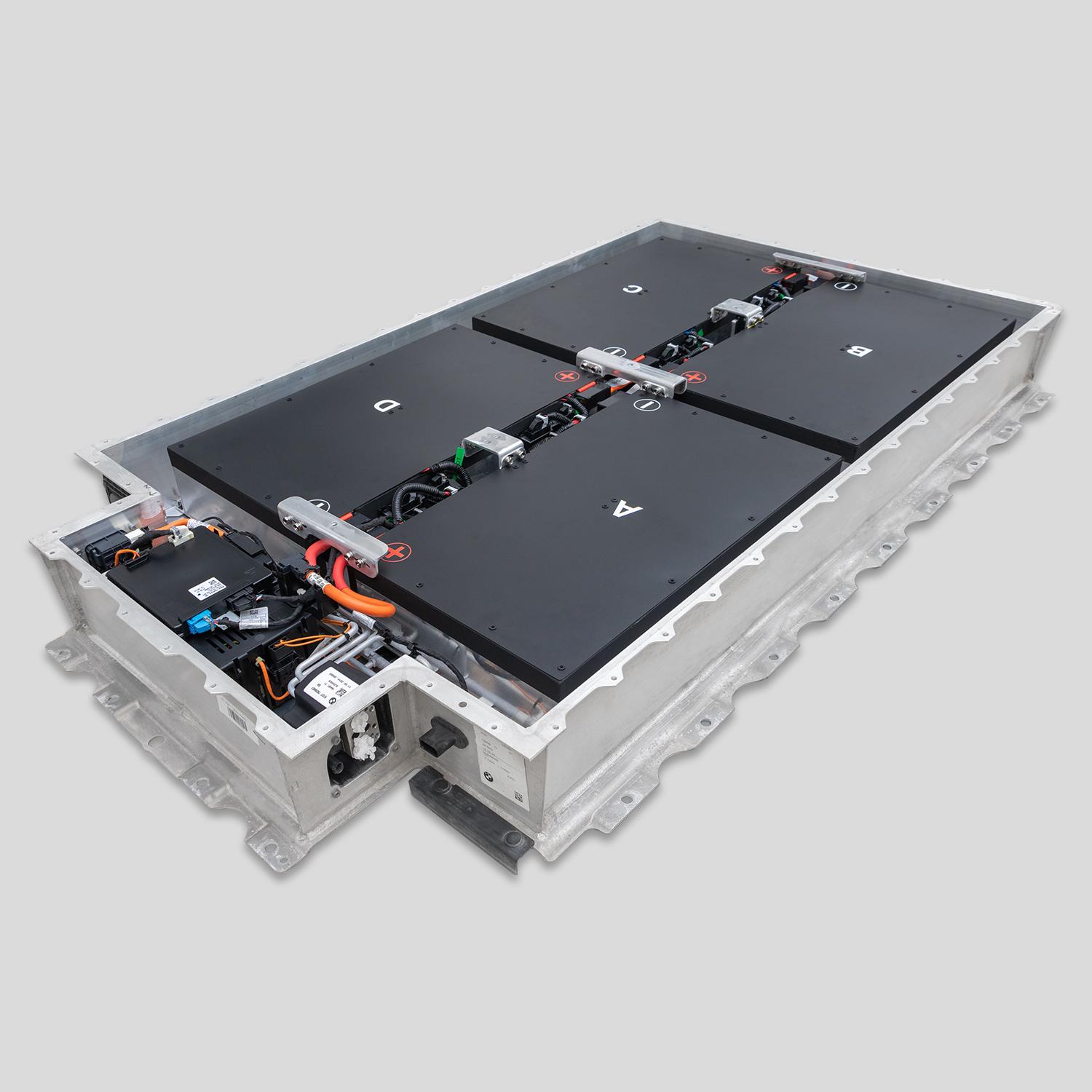
🚀 2026 Review: Is Installing a Leaf ZE1 62kWh Battery Worth It?
The short answer? If you drive a Nissan Leaf ZE1 (2018-2023) and feel limited by the standard range, upgrading to a 62kWh battery pack is absolutely worth it. It transforms your daily commute, eliminates range anxiety, and is currently the most cost-effective way to “buy a new EV” without the new EV price tag.
As a battery expert, I see many Leaf owners debating this upgrade. The hesitation usually comes from the cost and installation complexity. However, in 2026, the market has matured. Third-party manufacturers like CNS BATTERY now offer OEM-compatible 62kWh solutions that cost roughly 50% less than the original manufacturer’s price, without sacrificing safety or performance.
This review breaks down the real-world value of the ZE1 62kWh swap.
📉 The “Range Anxiety” Problem with Standard ZE1 Batteries
The Nissan Leaf ZE1 originally came with two options: a 40kWh pack or a 62kWh pack. If you own the 40kWh version, you likely experience “range anxiety” on highways or during winter.
- 40kWh Reality: Roughly 150-180km (93-112 miles) of real-world range.
- 62kWh Reality: A significant jump to 300-340km (186-211 miles) of real-world range.
Why upgrade? Because 150km simply isn’t enough for modern driving needs. An upgrade to 62kWh brings your Leaf up to the standard of modern EVs, making long commutes and family trips feasible again.
📈 The Value Proposition: Why Now is the Best Time
In 2026, the economics of replacing your Leaf battery have never been better. You don’t need to visit a Nissan dealership and pay a premium. Instead, you have access to high-quality, compatible replacements.
1. The 50% Cost Savings
Replacing a battery is a major investment. The key metric here is Cost Per kWh.
- Original Manufacturer (OEM): Expect to pay a premium for the brand name.
- CNS BATTERY Solution: Offers the same 62kWh capacity for approximately 50% of the OEM price. This is the primary reason the upgrade is “worth it” – you get double the capacity for roughly the same price as fixing the old one.
2. Performance & Compatibility
There is a common myth that third-party batteries lack performance. This is outdated.
- Plug-and-Play: The 2026-compatible packs are designed to fit the ZE1 chassis perfectly. There is no need for chassis modification.
- CATL Cells: High-end replacements utilize brand-new CATL (Contemporary Amperex Technology) cells, which are among the safest and most efficient lithium-ion cells available globally.
- BMS Integration: Modern Battery Management Systems (BMS) in 2026 are fully compatible with the Leaf’s dashboard, ensuring accurate SOC (State of Charge) readings and no warning lights.
🛠️ Is the Installation Worth the Hassle?
Many potential buyers worry about the installation process. Let’s demystify it.
⏱️ Time Investment
- Professional Mechanic: 1-2 hours.
- DIY (With Help): Roughly 2 hours. It is physically demanding (the battery is heavy) but technically simple.
🛠️ The Process
It is essentially a mechanical swap:
- Disconnect the 12V battery.
- Unbolt the underbody cover.
- Disconnect the high-voltage connectors and drainage hoses.
- Lower the old pack and lift the new one.
- Reconnect and torque the bolts.
Pro Tip: If you are not mechanically inclined, hire a local mechanic. Even with labor costs, you are still saving thousands compared to buying a new car.
📊 Comparison: Is Upgrading Better Than Buying New?
Let’s look at the cold, hard numbers to see why this upgrade makes financial sense in 2026.
| Metric | Keep 40kWh / Buy New EV | Upgrade to 62kWh (CNS Solution) |
|---|---|---|
| Upfront Cost | $25,000+ (New EV) or $0 (Keep old) | ~$8,000 (Approx. 50% of OEM) |
| Real-World Range | 150km (Old) or 400km+ (New) | ~340km (Like new) |
| Car Condition | New Car Smell | Revived Classic (Save depreciation) |
| Warranty | N/A or Standard | 2 Years / 80,000 km |
| Verdict | Expensive | High Value |
Data based on 2026 market averages for EV battery replacements.
📝 The Expert Verdict
After analyzing the data and customer feedback, installing a Leaf ZE1 62kWh battery is a no-brainer for 2026.
You are essentially buying a brand-new electric powertrain for half the price. You retain the low depreciation of your current vehicle while gaining modern range capabilities. The technology from suppliers like CNS BATTERY has caught up to OEM standards, offering the same safety (using CATL cells) and even better warranty terms in some cases.
If your Leaf is mechanically sound (brakes, suspension, tires are good), do not scrap it. Upgrade the battery and drive for another 100,000 miles.
❓ Frequently Asked Questions (FAQ)
1. Will a 62kWh upgrade void my car’s warranty?
If your Leaf is older than a few years, the factory warranty has likely expired. For newer ZE1 models still under warranty, it is recommended to check your specific contract. However, most third-party battery providers (like CNS) offer their own comprehensive warranties independent of the car’s warranty.
2. How long does a new 62kWh battery last?
Brand-new lithium-ion cells, like those used in 2026 replacements, typically last for 100,000 to 150,000 miles (or 8-10 years) before degrading below 70-80% capacity. With proper maintenance, it should outlast the rest of the car.
3. Is the installation dangerous?
While high-voltage systems should be respected, the physical installation is low-risk. The most dangerous part is lifting the heavy battery pack, so ensure you have proper lifting equipment or a friend to help. The electrical connection is standardized and safe when the car is powered off.
4. Where can I get a genuine 62kWh replacement?
You can source these directly from specialized manufacturers. For a free quote and compatibility check for your specific VIN, you can contact experts in Nissan EV batteries.
Ready to revive your Leaf? Get your free quote today.
Contact CNS BATTERY for a Custom Quote