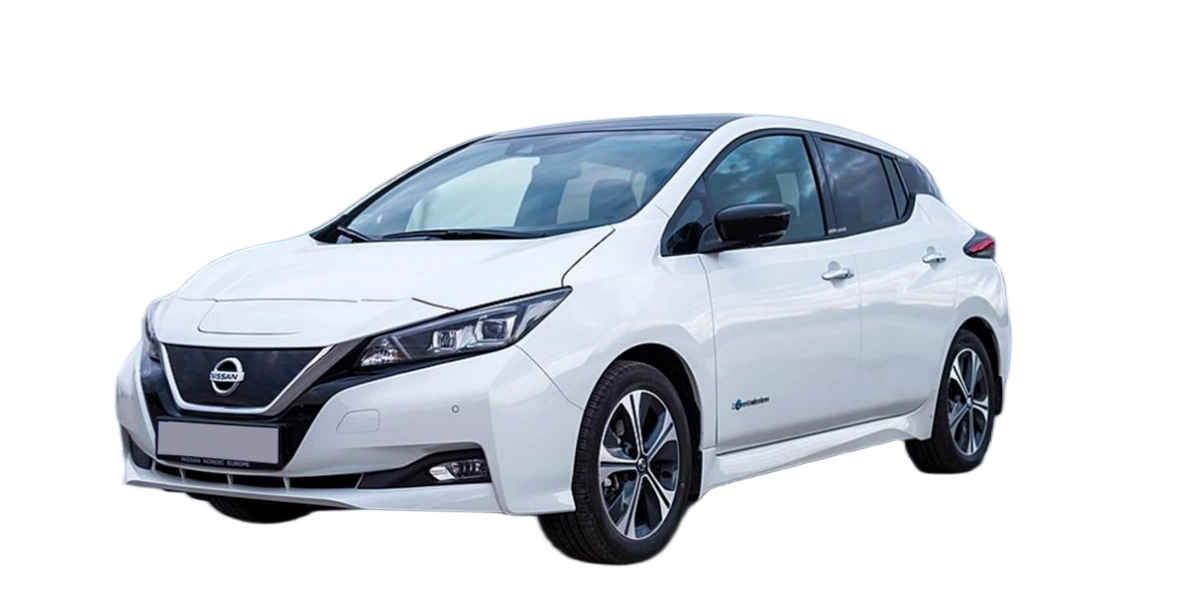
The Truth About Nissan e-NV200 Swollen Modules and How to Fix It
The Nissan e-NV200 is a workhorse, but its aging battery packs are revealing a silent killer: swollen modules. If you own one of these versatile vans, you might be nervously checking your dashboard for warning lights. You’re not alone. As these vehicles age, the lithium-ion cells inside the battery pack degrade, leading to a dangerous condition known as “swelling” or “gassing.”
This isn’t just a minor inconvenience; it’s a structural threat. When cells swell, they exert immense pressure on the Battery Management System (BMS) and the module casing. This pressure can crack circuit boards, rupture cell casings, and create internal short circuits. The result? Reduced range, complete vehicle failure, or, in worst-case scenarios, thermal runaway.
In this deep dive, we’re pulling back the curtain on why Nissan e-NV200 modules swell and, more importantly, how to fix it permanently.
Why Do Nissan e-NV200 Modules Swell?
To understand the swelling, we need to look at the chemistry. The e-NV200 uses lithium-ion cells that, over time and through repeated charge cycles, undergo electrolyte decomposition. This process releases gas.
Here is the truth:
Most e-NV200 batteries on the road today are hitting the “end of life” cycle for their original cells. The swelling is a symptom of deep chemical degradation. When a cell swells, it doesn’t just take up space; it physically pushes against its neighbors.
The Domino Effect:
- Internal Short Circuits: Swollen cells can puncture their internal separators, causing short circuits.
- BMS Damage: The physical pressure often cracks the BMS board, rendering the entire pack useless even if some cells are still functional.
- Safety Hazards: A swollen pack is under high tension. Attempting to open or repair it without specialized equipment risks fire or explosion.
Expert Insight: At CNS BATTERY, we see hundreds of these packs every month. The most common mistake owners make is trying to “patch” the problem by replacing only the swollen modules. This rarely works because the remaining cells are usually just as degraded, leading to an imbalance that causes the new cells to fail rapidly.
The “Patch Job” Trap: Why Replacing Modules Isn’t the Fix
You might find local repair shops offering to “replace the swollen modules” for a fraction of the cost of a new pack. We strongly advise against this.
Here is why this is a false economy:
- Imbalanced Chemistry: New modules have 100% State of Health (SOH), while your old pack might be at 40%. Forcing them to work together creates a chemical war inside the battery.
- Hidden Degradation: If one module has swelled, the others are likely suffering from micro-degradation that isn’t visible yet.
- Short Lifespan: A patched battery typically lasts only 6 to 12 months before the old cells drag the new ones down.
The only permanent fix is a complete battery replacement.
The Permanent Fix: New Generation Battery Technology
The good news is that you don’t have to pay the exorbitant dealership prices to get your van back on the road. The permanent solution involves installing a brand-new, factory-spec battery pack built with Brand New CATL Cells.
1. Why Brand New Cells Matter
Unlike refurbished packs or “rebuilt” modules from scrap yards, a new pack eliminates the risk of swelling from the start. We utilize cells from CATL (Contemporary Amperex Technology Co. Limited), the world’s leading lithium-ion battery manufacturer. These are the same Tier-1 quality cells used by major OEMs globally.
- Zero Degradation: Starting fresh means no hidden gassing or internal resistance.
- OEM Compatibility: Our packs are engineered to match the original Nissan specifications perfectly, ensuring the BMS communicates seamlessly without triggering error codes.
2. Engineering Out the Swelling Risk
Our engineering team has analyzed the failure points of the original e-NV200 design. Our solution includes:
- Reinforced Module Housing: We use upgraded casings that can withstand higher internal pressures, preventing the “bulging” effect even under extreme stress.
- Advanced BMS Algorithms: Our software includes enhanced thermal management protocols that prevent overcharging and overheating—two primary causes of gassing.
3. The Cost-Benefit Analysis
Let’s look at the numbers. A dealership replacement can cost upwards of $12,000 – $15,000. A “patch job” might cost $2,000 but leaves you with a ticking time bomb.
Our solution? A brand new, 50 kWh lithium battery pack starting at just $7,800.
| Solution Type | Estimated Cost | Lifespan | Swelling Risk | Warranty |
|---|---|---|---|---|
| Dealership OEM | $14,000+ | 8-10 Years | Low | 3 Years / 60,000 km |
| Patch/Refurbished | $2,000 | 6-12 Months | Very High | 3 Months |
| CNS New Pack | $7,800 | 10+ Years | Zero (New Cells) | 2 Years / 80,000 km |
Real-World Results: Thomas B.’s Story
Let’s look at a real case from our records. Thomas B. from Amsterdam owned a 2022 Nissan e-NV200. His battery had degraded to a point where he could only travel 150km, and he was worried about swelling due to the age of the cells.
“My old car battery was 5 years old and had degraded to the point where it could only travel 150km, requiring daily charging, which was very inconvenient. I replaced it with a 50kWh battery from CNS, and the installation was surprisingly simple. The complete battery pack was plug-and-play… Now, the full charge consistently provides 348km of range… After two months of use, the battery capacity is still at 12 bars.”
Thomas didn’t just fix the range anxiety; by replacing the entire pack, he eliminated the physical stress on the BMS that leads to swelling. He now drives with the confidence of a brand-new powertrain.
How to Proceed: A Step-by-Step Guide
If you’re facing a swollen module situation, here is how to get back to 100% reliability:
Step 1: VIN Verification
Do not guess your model code. The e-NV200 has specific variants. Send us your VIN (Vehicle Identification Number), and our technical team will confirm the exact compatibility (SOH, voltage, and communication protocol).
Step 2: Choose Your Capacity
While the standard is 50 kWh, we offer customization options. If you need longer range for your delivery routes, we can discuss upgrading to a higher capacity pack (subject to vehicle specifications).
Step 3: Installation
This is not a DIY job for swollen packs. Due to the high tension and potential hazards, we strongly recommend professional installation. However, our packs are designed for “Plug and Play.” Once the old, swollen pack is safely removed by a technician, our new unit integrates directly into the existing connectors.
Step 4: Enjoy the Warranty
Every new pack comes with our industry-leading warranty. You are covered for 2 Years or 80,000 km, whichever comes first. This includes protection against manufacturing defects and performance degradation (we guarantee the cells will maintain over 70% capacity during this period).
Conclusion
Swollen modules in the Nissan e-NV200 are a sign that the chemical life of the battery has ended. Ignoring it or opting for a temporary patch is a gamble with your safety and your wallet.
The truth is simple: You need a fresh start. By investing in a new, high-quality battery pack built with CATL cells, you are not just fixing a problem; you are revitalizing your vehicle for another decade of service. Don’t let an old, swollen battery kill your business or your commute.
Get a Free Custom Quote for your Nissan e-NV200 today and eliminate the swelling risk forever.
Frequently Asked Questions (FAQ)
1. Can I just remove the swollen modules and keep driving?
No, this is extremely dangerous. Removing modules creates an electrical imbalance that can fry the inverter or motor. It also destabilizes the physical structure of the pack. You must replace the entire unit.
2. How long does the replacement process take?
The physical installation typically takes a professional mechanic 1 to 2 hours. However, sourcing the new pack takes time. We offer DDP (Delivered Duty Paid) shipping, but sea freight usually takes 4 to 8 weeks. If you need it urgently, we have expedited air freight options.
3. Are these batteries legal and safe to import?
Yes. We handle all customs compliance. Because lithium batteries are classified as dangerous goods (UN 3480), we partner with carriers like DHL and FedEx who are certified to transport them. We provide all necessary MSDS (Material Safety Data Sheets) for your local customs.
4. What if I am not a mechanic?
If you are not technically inclined, please do not attempt to remove a swollen battery yourself. The high tension and risk of short-circuiting are severe. Use our “Find a Installer” service, or contact a local garage. We can provide them with the installation manual and video guides to ensure a perfect fit.
5. What is the range I can expect after the replacement?
With a brand new 50 kWh pack, you can expect a full charge range of approximately 348km (depending on driving style and climate). This is a massive improvement over a degraded battery and matches the performance of a brand-new e-NV200.
Ready to solve your e-NV200 battery issues? Contact our technical experts now for a free compatibility check and quote.