How to Extend Your e-NV200 Van Battery Life and Avoid Rapid Range Drop
The Nissan e-NV200 is a reliable workhorse, but battery degradation is the silent killer of electric vans. As an expert in EV battery solutions, I’ve seen countless owners panic when their range drops from 170km to barely 100km. The good news? You can significantly slow this down. In this guide, I’ll share professional maintenance tips and explain how upgrading to a new, high-capacity battery can be the ultimate solution to avoid the “rapid range drop” and get your van back to peak performance.
🛑 The Silent Killer: Understanding Battery Degradation
Every lithium-ion battery degrades over time. For the e-NV200, this usually means a capacity loss of 2-5% per year under normal conditions. However, poor charging habits and environmental stress can accelerate this to 10-15% per year.
Why does this matter? When your battery health drops below 70%, you enter the “cliff effect.” This is where the usable range doesn’t just decrease slowly; it plummets rapidly. Suddenly, your van that used to handle city routes all day can barely make it to the first delivery stop.
🛠️ 5 Professional Tips to Extend Battery Life
Before considering a replacement, try these expert strategies to maximize the lifespan of your current e-NV200 battery.
1. Master the “80% Rule” While it’s tempting to charge to 100% for maximum range, lithium batteries hate being held at high voltage. Keeping your charge between 20% and 80% is the single best thing you can do for longevity. Only charge to 100% when you absolutely need the extra range for a long trip, and discharge it back to 80% as soon as possible.
2. Avoid the “Deep Discharge” Running your battery down to 0% (or the dreaded “turtle mode”) causes irreversible damage to the cells. This stress creates internal resistance, which directly reduces your range. Always plan your routes to keep a buffer. If your daily driving is 100km, never let the battery drop below 30%.
3. Heat is the Enemy High temperatures are the biggest threat to lithium-ion chemistry. If you live in a hot climate:
- Park in the shade whenever possible.
- Pre-cool the battery while it’s still plugged in. Use the van’s climate control function before you unplug to ensure the battery management system (BMS) isn’t fighting the heat while you drive.
4. Fast Charging: Use it Sparingly DC Fast Charging is convenient, but it generates significant heat. Frequent fast charging accelerates degradation. Reserve fast charging for long trips and rely on Level 2 (AC) charging for your daily top-ups.
5. The “Weekend Warrior” Effect If your e-NV200 sits idle in the garage for days or weeks, don’t leave it fully charged. Store it at around 50% charge. A full charge combined with inactivity creates a high-stress state for the cells.
🆕 When Maintenance Isn’t Enough: The Upgrade Solution
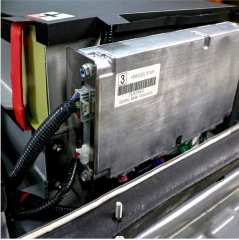
Sometimes, maintenance is like putting a band-aid on a flat tire. If your e-NV200 is showing signs of severe degradation (swelling cells, inconsistent charging, or a range that just won’t hold), it’s time to consider a replacement.
Here is where most owners get stuck: the original factory battery is expensive and often uses older chemistry. This is why we recommend looking at Aftermarket OEM-Compatible Upgrades.
Why Upgrade to a New Battery Pack?
| Feature | Old/Refurbished Battery | New High-Capacity Battery (e.g., 50kWh+) |
|---|---|---|
| Range | Degrading, unreliable | Full, factory-spec range restored |
| Cell Quality | Aged, potential for swelling | Brand new, premium cells (e.g., CATL) |
| Warranty | Often none or very short | 2 Years / 80,000km Official Warranty |
| Cost | High (70-80% of new) | ~50% savings vs. OEM |
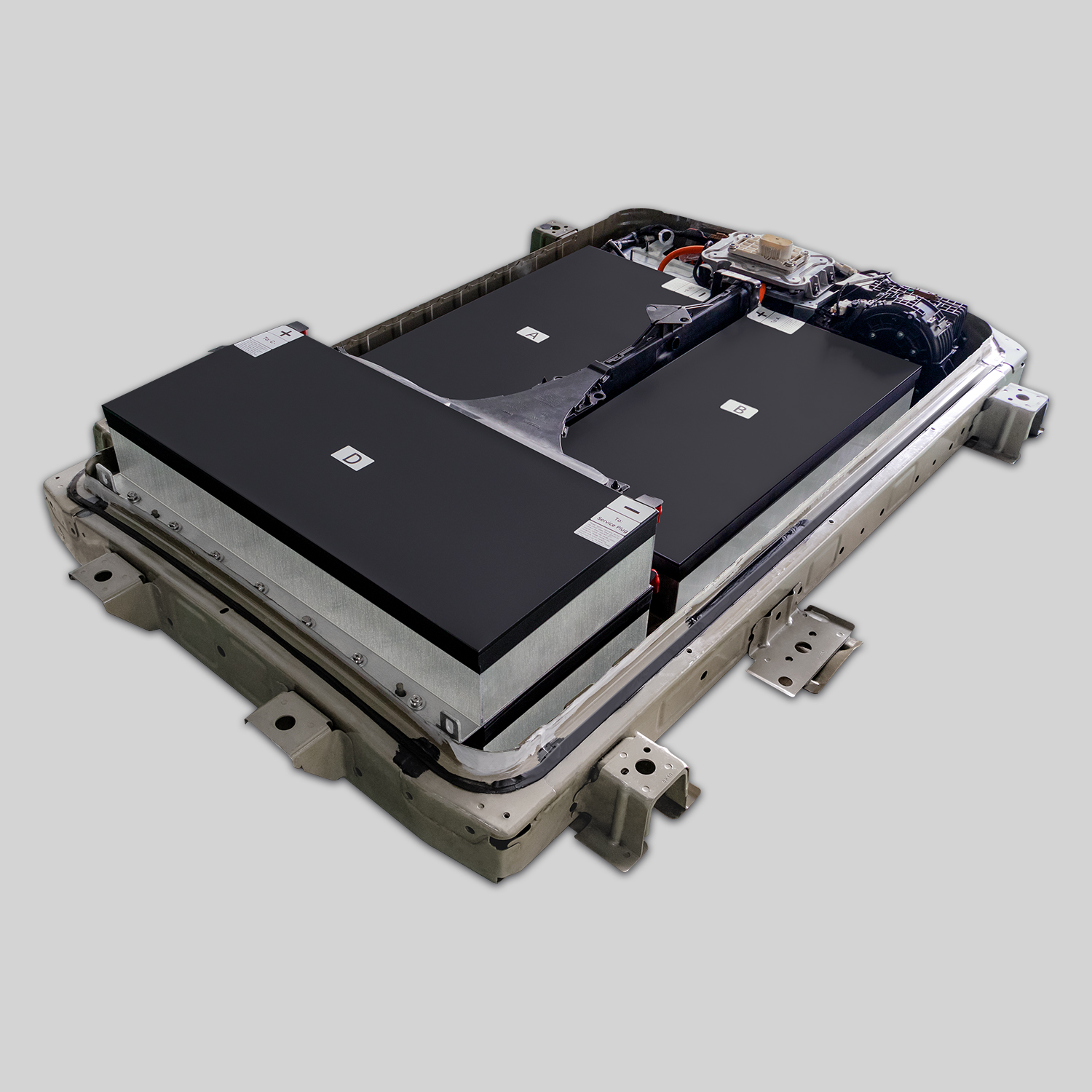
The Value Proposition: For less than half the price of a factory replacement, you can get a battery with brand-new cells, a longer warranty, and potentially even higher capacity (like upgrading from a 24kWh/30kWh to a 40kWh or 50kWh pack).
🛡️ Avoiding the Refurbished Trap
Many owners try to save money by buying “refurbished” or “repaired” battery packs. This is often a false economy.
Refurbished batteries are usually just old packs with a few bad modules replaced. The remaining cells are still aged, meaning the degradation clock hasn’t been reset; it’s just been paused temporarily. These packs often fail again within 6-12 months, leading to more downtime and repair costs.
The key difference: A new battery solution uses brand new, A-grade cells from top manufacturers. This isn’t a repair; it’s a complete renewal of your van’s powertrain.
🚚 Ready to Restore Your Range?
Don’t let battery anxiety limit your business or daily commute. Whether you need expert advice on maintaining your current battery or want to explore the cost-effective upgrade options available in 2026, our technical team is here to help.
Get a Free Custom Quote Today Simple steps:
- Select your e-NV200 model;
- Enter your specifications preferences;
- Submit to receive personalized recommendations.
💡 Frequently Asked Questions (FAQ)
Q1: How do I know if my e-NV200 battery is degraded or if it’s just a software issue? A: The most accurate way is to check your “Bars” or “Capacity %” via an OBD2 scanner. If your capacity has dropped below 70% of the original (e.g., below 21kWh on a 30kWh pack), the cells are physically degraded and need replacement. Software resets or “re-flashing” the BMS cannot restore lost chemical capacity.
Q2: Is it worth upgrading the battery capacity on my e-NV200? A: Absolutely. Many owners upgrade from the older 24kWh or 30kWh packs to modern 40kWh or 50kWh modules. This isn’t just a replacement; it’s a performance upgrade that gives you significantly more range without altering the van’s structure. The installation is plug-and-play compatible with the original system.
Q3: How long does a battery replacement take? A: For a professional technician, the physical installation usually takes 1-2 hours. We provide detailed video guides and PDF manuals to ensure a smooth process. If you’re doing it yourself, having a friend who knows cars can make the process much easier.
Q4: What is the warranty on a new replacement battery? A: Unlike refurbished units that offer little to no warranty, a quality new battery solution comes with a robust 2-year or 80,000km warranty. This covers defects in materials and workmanship, and often includes prorated coverage for performance degradation, ensuring your battery maintains at least 70% capacity over the warranty period.