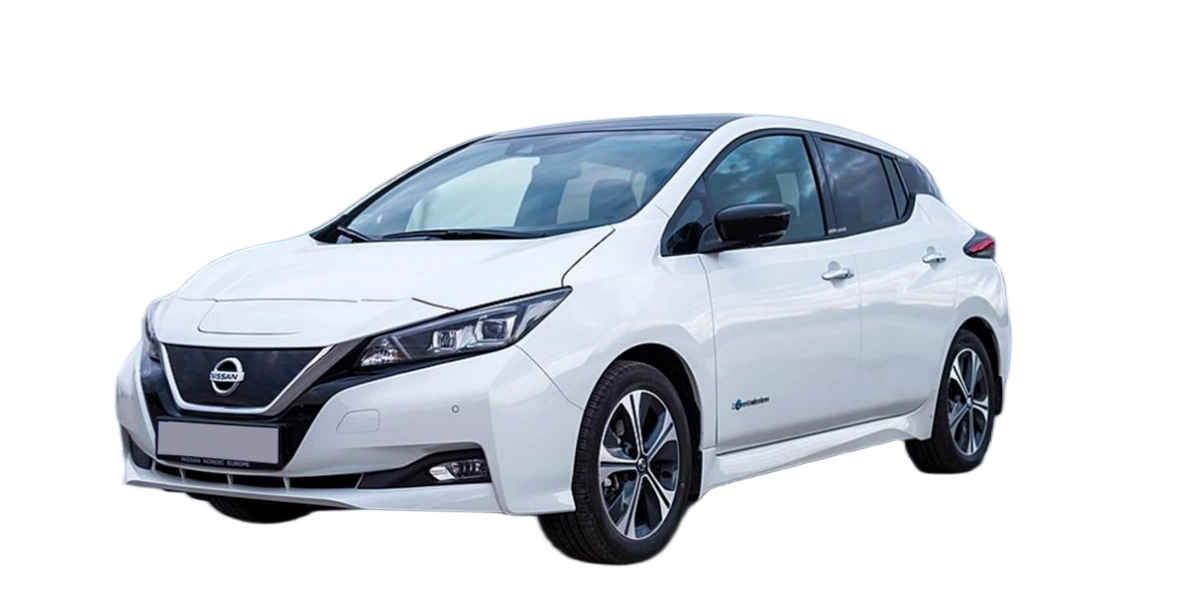
Nissan Leaf vs Kinghorn: Which Replacement Solution is Best?
If you own a Nissan Leaf and are facing the dreaded “battery degradation,” you are likely weighing your options. The most common dilemma is choosing between the Kinghorn Motorsport upgrade and standard OEM replacements.
However, there is a third, often overlooked path that combines the best of both worlds: High-quality, brand-new aftermarket solutions like those offered by CNS BATTERY.
As a professional in the EV battery industry, I often tell clients that the Kinghorn route is excellent for “petrolheads” who want a performance car, but for the average commuter or taxi driver, a direct OEM-spec replacement often provides better value and practicality.
Let’s break down the differences to help you decide which solution is best for your vehicle.
🏎️ The Kinghorn Motorsport “Hot Hatch” Approach
Kinghorn Motorsport is famous in the Leaf community for converting the humble electric hatchback into a performance machine.
- The Concept: They typically replace the standard Leaf battery with a custom high-voltage pack (often using Tesla cells).
- The Goal: To increase power output significantly, turning the Leaf into a “hot hatch” with rapid acceleration.
- The Reality: This is a complex, high-cost modification.
Pros of the Kinghorn Route
- Performance Boost: You go from a commuter car to a rapid accelerator.
- Unique Build: It’s a highly engineered solution for enthusiasts.
Cons of the Kinghorn Route
- Cost: It is extremely expensive, often rivaling the price of buying a new performance EV.
- Complexity: It requires extensive modifications to the car’s software (BMS), motor, and cooling systems.
- Legality & Warranty: This modification usually voids any remaining factory warranty and can complicate vehicle registration or insurance in many regions.
- Comfort: The ride can become harsher, and the focus shifts from comfort to sport.
🔋 The Standard OEM Replacement Route
The standard route is to replace the degraded battery with a new one that matches the original factory specifications.
Pros
- Plug-and-Play: It fits perfectly without modifying the chassis or wiring.
- Predictability: The car drives exactly as it did on day one—safe and reliable.
- Cost-Effective (New): While a brand-new OEM battery from the dealer is very expensive (often $12,000+), new aftermarket batteries (like CNS) offer the same OEM fitment at roughly 50% less.
Cons
- No Performance Gain: You don’t get the “zoom zoom” factor of a Kinghorn conversion.
- Dealer Markup: Buying directly from Nissan can be prohibitively expensive.
⚖️ Head-to-Head Comparison
To make this clearer, let’s compare the two solutions based on real-world user priorities.
| Feature | Kinghorn Motorsport Upgrade | Standard OEM / Aftermarket (CNS) |
|---|---|---|
| Primary Goal | Performance & Power | Reliability & Range |
| Installation | Complex (Requires motor/BMS mods) | Simple (Direct Bolt-on) |
| Cost | Very High (Custom Engineering) | Moderate to Low (Mass Production) |
| Driving Experience | “Hot Hatch” / Sporty | Smooth Commuter / Taxi |
| Warranty Impact | Voids all OEM warranties | Preserves vehicle integrity |
| Best For | Enthusiasts, Track Days | Daily Drivers, Families, Fleets |
🚀 The “Smart Middle Ground”: Why Choose a Premium Aftermarket Solution?
Most Nissan Leaf owners (ZE0, ZE1, AZE0) don’t need a race car; they need a reliable daily driver with restored range.
This is where a premium aftermarket solution, such as CNS BATTERY, becomes the “best of both worlds”:
- Brand New Cells: Unlike refurbished packs that might fail again in 6 months, a new pack from a reputable manufacturer uses fresh CATL cells.
- Restored Range: You get the full advertised range back (e.g., 40kWh, 62kWh) without the complexity of rewiring the entire car.
- Cost Efficiency: You save thousands compared to a dealer replacement, and a fraction of the cost of a Kinghorn conversion.
- Safety: There is no modification to the original cooling system or high-voltage architecture, ensuring maximum safety.
💡 Expert Advice: Which Should You Choose?
Based on my experience consulting with thousands of EV owners, here is my advice:
- Choose Kinghorn if: You are mechanically inclined, have a spare Leaf sitting in the garage, and want to build a weekend track toy. You must be prepared for high costs and potential technical headaches.
- Choose a Premium Aftermarket (OEM-spec) Battery if: You rely on your Leaf for daily work, family trips, or as a taxi. You want to restore the car to “like new” condition safely and affordably.
The Verdict: For 90% of Leaf owners, the Kinghorn modification is overkill. A high-quality, brand-new replacement battery is the most practical and cost-effective way to extend your vehicle’s life.
🛠️ Frequently Asked Questions (FAQ)
1. Can I install a Kinghorn-style battery myself?
No. The Kinghorn conversion requires deep knowledge of high-voltage systems, custom BMS programming, and often structural changes to the battery tray. It is strictly for professional workshops or experienced engineers.
2. How much does a Kinghorn conversion cost?
While prices vary, a full Kinghorn-spec conversion (battery, motor, tuning) can cost upwards of $15,000 to $20,000. This does not include the cost of the donor Leaf.
3. Is a standard replacement battery safe?
Yes. A standard replacement from a reputable manufacturer like CNS BATTERY uses OEM-standard protocols and materials. They undergo strict safety testing (UN38.3, etc.) and are significantly safer than modified packs because the cooling and structural integrity remain unchanged.
4. How long does a standard replacement battery last?
With brand-new cells (such as CATL), you can expect 8-10 years of service, or approximately 200,000 to 300,000 kilometers, depending on charging habits.
5. What if I just want more range, not more power?
If you simply want more range, look for a higher capacity OEM-spec pack. For example, upgrading from a 40kWh to a 62kWh unit within the same Leaf model range. This is a direct swap that doesn’t require motor modifications, unlike the Kinghorn route which changes the fundamental voltage of the car.
If you are tired of range anxiety and want a reliable, factory-standard solution without the dealer markup, consider exploring a premium aftermarket replacement.
Restore your Nissan Leaf to its original glory with a brand-new, compatible battery.
👉 Contact our technical experts now for a free, personalized quote and compatibility check.