🚀 Revive Your Leaf ZE1: The Ultimate Guide to Affordable 68kWh Upgrades for Individual Owners
If you own a Nissan Leaf ZE1 and are staring down the barrel of a failing battery, you know the feeling: anxiety about range and the sticker shock of a dealership replacement. You’re likely searching for a way to breathe new life into your car without breaking the bank. As a seasoned expert in the EV aftermarket, I’m here to tell you that there is a solution that balances high performance with a budget-friendly price tag.
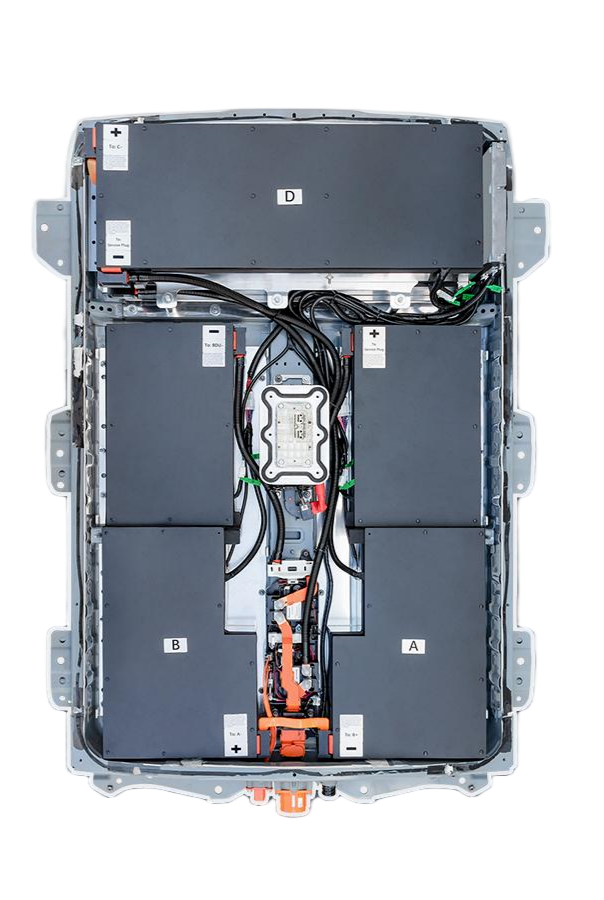
The key to your Leaf’s revival lies in the 68kWh battery upgrade. This specific capacity offers a “sweet spot” for ZE1 owners, transforming your driving range while costing significantly less than an OEM replacement. In this guide, we’ll walk through why this upgrade is perfect for individual owners and how to source a reliable, affordable pack.
💡 Why Upgrade Your ZE1 to 68kWh?
The standard Nissan Leaf ZE1 originally came with smaller capacity packs (often 40kWh or 24kWh). Over time, degradation reduces this range even further. Upgrading to a 68kWh lithium battery pack is not just about fixing a broken car; it’s about upgrading your experience.
📈 The Range Revolution
By installing a 68kWh pack, you effectively double (or even triple) your available energy. While the original 40kWh pack might have struggled to hit 150km after years of use, a fresh 68kWh unit can restore your range to approximately 470km under optimal conditions. This turns your Leaf from a city commuter into a capable vehicle for longer trips and highway driving.
💰 The “50% Savings” Reality
Let’s talk numbers. A brand-new OEM battery from a Nissan dealership can cost upwards of $16,000 USD. For the individual owner, this is often a deal-breaker. The aftermarket solution, utilizing brand-new cells from top-tier manufacturers like CATL, typically costs about 50% less. This massive price difference makes ownership sustainable and allows you to keep a car you already know and love.
🔋 The Core of the Upgrade: CATL Cells
When searching for an “affordable” battery, it is crucial to look beyond the price tag and examine what’s inside. Not all affordable batteries are created equal.
The best value-for-money solution uses brand-new CATL (Contemporary Amperex Technology Co. Limited) battery cells. CATL is the world’s largest battery manufacturer and supplies cells to premium brands like BMW and Tesla. By using these new cells, you avoid the risks associated with refurbished or recycled packs (which often use degraded cells from totaled cars).
Why CATL Cells Matter:
- Safety: They meet the highest international safety standards.
- Longevity: New cells have a full lifespan ahead of them, not a second-hand one.
- Consistency: They provide stable voltage and discharge rates, ensuring your BMS (Battery Management System) works correctly.
🛠️ DIY vs. Professional Installation
As an individual owner, you have two paths: tackling the job yourself or hiring a mechanic. The good news is that replacing a Leaf battery is a well-documented process.
🎥 Empowering the DIYer
Many of our customers successfully install these batteries themselves. The process is essentially plug-and-play for the physical connections. However, the critical step is the BMS programming. This is where having a supplier with excellent support is vital.
Expert Tip: Before you start, ensure you have the necessary tools and safety gear (insulated gloves). If you encounter issues with programming, look for suppliers that offer video call guidance to walk you through the software side.
⏱️ Time & Cost Estimates
- DIY: Approximately 1-2 hours of physical labor. The main cost saving is the labor fee, which can be $800 or more at a shop.
- Professional: Usually completed within a day. While faster, this route adds significant labor costs to your upgrade.
📋 The Pre-Purchase Checklist
Before you buy, there are a few technical details you need to confirm to ensure a perfect fit for your ZE1.
- VIN Compatibility Check: Every car is slightly different. A reputable supplier will ask for your Vehicle Identification Number (VIN) to guarantee the connectors, mounting brackets, and software protocols match your specific ZE1 model.
- Thermal Management: Ensure the new pack is compatible with your existing cooling system. A good 68kWh pack will integrate seamlessly with the Leaf’s thermal management to prevent overheating.
- Warranty: Never buy a battery without a warranty. Look for offers that provide at least a 2-year / 80,000km warranty. This covers you against manufacturing defects and gives you peace of mind that the seller stands by their product.
📈 Making the Investment
Upgrading your Nissan Leaf ZE1 with a 68kWh battery isn’t just a repair; it’s a smart investment. You are taking a car with a dead battery and transforming it into a high-range EV for a fraction of the cost of a new vehicle.
By choosing a pack built with new CATL cells, you ensure that safety and performance are not compromised. You get the reliability of a new battery without the depreciation hit of a new car.
If you’re ready to take the next step and get your personalized quote, we can help you verify your VIN compatibility and find the best solution for your budget.
Get Your Custom Quote Now
❓ Frequently Asked Questions (FAQ)
1. Is a 68kWh battery compatible with my Nissan Leaf ZE1?
Yes, a 68kWh lithium battery pack is specifically designed to be compatible with the Nissan Leaf ZE1 chassis. However, it is essential to perform a VIN check to ensure the wiring harnesses and communication protocols match your specific vehicle’s year and configuration.
2. How much does a 68kWh replacement cost compared to the OEM?
An OEM replacement from a Nissan dealership can cost over $15,000. An aftermarket 68kWh pack using new CATL cells typically costs about 50% less, making it a highly affordable solution for individual owners.
3. How long does the installation take?
For a professional mechanic, the physical installation usually takes about 1-2 hours. For a DIY owner, it may take longer depending on experience, especially if you need to follow video tutorials for the BMS programming step.
4. What warranty should I expect?
You should look for a warranty that covers at least 2 years or 80,000 kilometers. This warranty should cover defects in materials and workmanship, as well as guarantee a minimum battery capacity (usually around 70%) for the duration of the warranty period.
5. Will this void my car’s remaining warranty?
Since the original factory warranty on a ZE1 has likely expired, this is generally not a concern. However, if you have any remaining coverage, installing an aftermarket battery may affect it. It is recommended to consult your dealer or use a compatibility service to check for specific conflicts before purchasing.