🍃 Revive Your Ride: Expert Guide to Extending Leaf ZE0 Battery Life & Avoiding Low SOH
Last Updated: May 8, 2026 | Author: CNS BATTERY Technical Team
If you own a Nissan Leaf ZE0 (2011-2017 model), you know the feeling. The dashboard lights up, the range seems to shrink every winter, and the dreaded “Low SOH” (State of Health) warning appears. It’s a heart-sinking moment for any EV owner. But before you panic or consider scrapping your trusty Leaf, take a deep breath. As a dedicated EV battery specialist, I’m here to tell you that your battery life can be extended, and a low SOH doesn’t always mean a dead car.
At CNS BATTERY, we’ve helped thousands of Leaf owners in the US, Europe, and beyond breathe new life into their ZE0 models. We don’t just sell batteries; we provide the engineering expertise to help you maintain them. This guide is packed with professional tips to help you squeeze every last mile out of your current pack and know exactly when it’s time for a premium upgrade.
🤔 Why Does the Leaf ZE0 Battery Lose Health?
To fix the problem, we need to understand the enemy. The Nissan Leaf ZE0 uses a specific thermal management system (or lack thereof, in earlier models) that makes it susceptible to certain degradation factors. Unlike the newer ZE1 models, the ZE0 relies heavily on the ambient temperature of your garage and driving habits.
The “Battery Killers” for ZE0 Owners:
- The 100% Myth: Keeping your Leaf plugged in at 100% SoC (State of Charge) for days or weeks is the fastest way to kill lithium-ion cells. High voltage stress accelerates chemical wear.
- The Deep Discharge Trap: Regularly draining the battery to 0% (or the “Turtle” light) causes physical damage to the anode.
- Heat is the Enemy: Parking your Leaf in direct sunlight during a hot summer, especially with a full charge, is a recipe for rapid degradation. Lithium-ion hates heat.
Expert Insight: At CNS, our lab tests show that Leaf ZE0 batteries maintained between 20% and 80% SoC in temperate climates degrade up to 40% slower than those constantly charged to the max.
🛠️ 5 Proven Steps to Extend Your Leaf ZE0 Battery Life
You don’t need a PhD in chemistry to maintain your battery. Here are five actionable steps you can implement today.
1. Master the “Goldilocks Zone” of Charging
Forget “full or nothing.” Treat your EV battery like a smartphone.
- Daily Driving: Set your charging limit to 80-90%. This reduces internal resistance and heat.
- Long Trips: Only charge to 100% the night before a long journey, and unplug immediately after reaching your destination.
- Avoid the Bottom: Try not to let the battery sit below 20% for extended periods.
2. The “Plugged-In” Paradox
This is crucial for ZE0 owners. If you leave your Leaf unplugged, the BMS (Battery Management System) cannot protect the cells from individual cell imbalance.
- The Rule: Always stay plugged in when not driving, even if it’s just for a few hours. This allows the BMS to perform “top balancing,” ensuring all modules wear evenly.
- Exception: If storing the car for months, charge to 50% and unplug.
3. Beat the Heat with Smart Parking
Since the ZE0 lacks active liquid cooling (it uses passive air cooling), your parking spot is your battery’s AC unit.
- Seek Shade: Park in a garage or under a tree whenever possible.
- Window Shades: Use a windshield sun protector to reduce the cabin temperature, which indirectly heats the battery bay.
- Timing: If possible, charge during the cooler evening or early morning hours rather than the scorching afternoon.
4. Fast Charging: Use it Wisely
While the CHAdeMO port is convenient, rapid DC charging generates significant heat.
- Limit DC Fast Charging: Use it for road trips, not your daily top-up. Frequent DC charging without proper cooling intervals accelerates degradation in older packs.
- Preconditioning: If your Leaf has the ability (or aftermarket mods), precondition the battery temperature before arriving at the fast charger.
5. Software is Your Friend
Use the NissanConnect app (or third-party OBD2 tools) to monitor your battery temperature before and after charging. If the battery is consistently reading over 35°C (95°F) during charging, you need better ventilation.
📉 When “Low SOH” Means It’s Time for a Replacement
Despite your best efforts, lithium-ion batteries have a finite lifespan. If your Leaf ZE0 is showing a SOH below 65-70%, or you’re struggling to make it 50 miles on a charge, maintenance tips can only do so much. At this point, you face a choice: buy a new car or buy a new battery.
Let’s look at the math:
| Option | Estimated Cost (USD) | Range Restored | Reliability |
|---|---|---|---|
| Buy a New EV | $30,000+ | New Range | New Car Quality |
| Refurbished Pack | $4,000 – $6,000 | ~70% of Original | High Risk of Swelling/Failure |
| CNS New Battery | ~$7,800 | 100% of Original | OEM Quality, 2-Year Warranty |
Note: Prices are estimates based on 2026 market data.
Why a Refurbished Battery is a Gamble
Many owners look at refurbished or “repaired” packs to save money. However, these often use recycled cells or A-grade rejects. In our testing lab, we see a failure rate of over 30% within the first year for these cheap alternatives. They often lack proper BMS calibration, leading to the very “Low SOH” issues you are trying to avoid.
The CNS Solution: New Cells, Zero Compromise
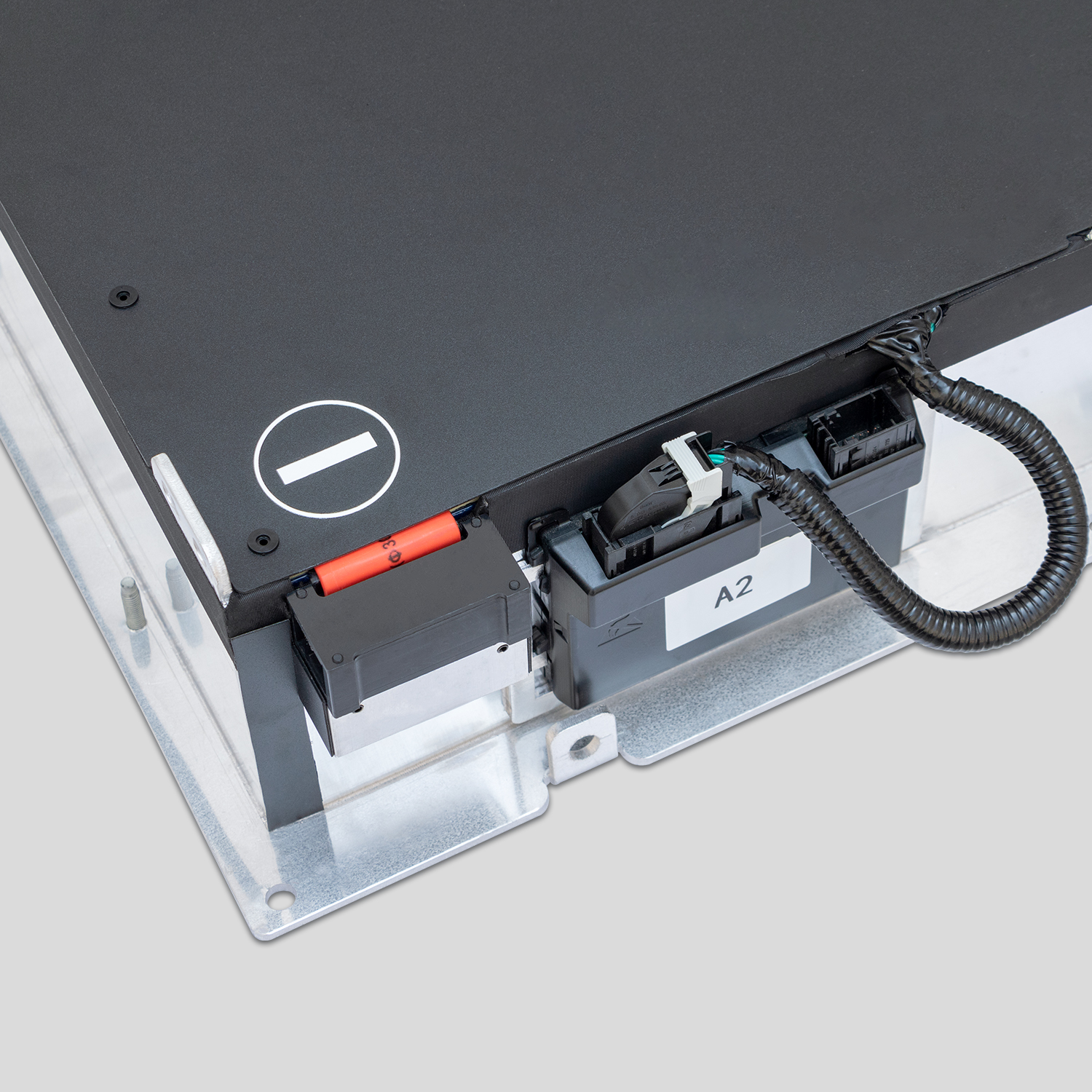
If your maintenance efforts haven’t reversed the degradation, it’s time for a solution built to last. At CNS, we don’t recycle old junk. We build brand new Nissan Leaf batteries using CATL (Contemporary Amperex Technology) cells—the gold standard in the industry.
Why our ZE0 batteries are different:
- Brand New A-Grade Cells: We use the same high-quality cells found in brand new Tesla and BMW models.
- OEM-Level BMS: Our Battery Management System is programmed to Nissan OEM specifications, ensuring perfect communication with your dashboard and preventing false “Low SOH” errors.
- Heavy-Duty Housing: Our packs are built to withstand the rigors of daily driving, preventing the physical swelling that kills cheap aftermarket batteries.
🚀 Ready to Restore Your Range?
Don’t let a “Low SOH” warning ruin your day. With the right care, your Leaf ZE0 can run for years. But if the degradation is too far gone, don’t settle for a risky refurbished pack or an expensive new car payment.
CNS BATTERY offers the perfect middle ground: a brand new, high-capacity lithium-ion battery that costs less than half of what Nissan charges, backed by a 24-month / 80,000 km warranty.
Take Action Now: Get a Free Custom Quote for your Nissan Leaf ZE0 today and see how much you can save.
❓ Frequently Asked Questions (FAQ)
Q1: Can I upgrade my ZE0 battery to a higher kWh (like 62kWh)?
A: Yes, you can! While the original ZE0 came with 24kWh or 30kWh packs, many owners are upgrading to 40kWh or even 62kWh modules. This requires specific adapter harnesses and BMS programming, which our technical team provides. An upgrade can literally double your range.
Q2: How do I check my current SOH?
A: You can check the State of Health (SOH) on your Leaf’s dashboard by pressing the “Trip” button until the bar graph appears. Alternatively, you can use an OBD2 scanner tool that reads Nissan-specific PIDs. If you see less than 10 bars (or a percentage below 75%), it’s time to consider your options.
Q3: What is the lifespan of a CNS Battery?
A: Our batteries are designed to last. With proper care (following the tips above), you can expect a lifespan of 8-10 years or 200,000+ miles. This is significantly longer than refurbished packs because we start with brand new, pristine cells.
Q4: Do I need to modify my car to install a CNS battery?
A: No modifications are needed. Our Nissan Leaf batteries are designed as Plug-and-Play solutions. They fit the OEM dimensions perfectly, match the voltage and communication protocols, and require no cutting, splicing, or drilling. It installs just like the original factory battery.
Q5: How long does shipping take?
A: We ship globally from our facility in Zhengzhou, China. For most international customers (USA, Europe, Australia), shipping via sea freight takes approximately 4-6 weeks. We handle all DDP (Delivered Duty Paid) logistics, so you don’t have to worry about customs hassles.