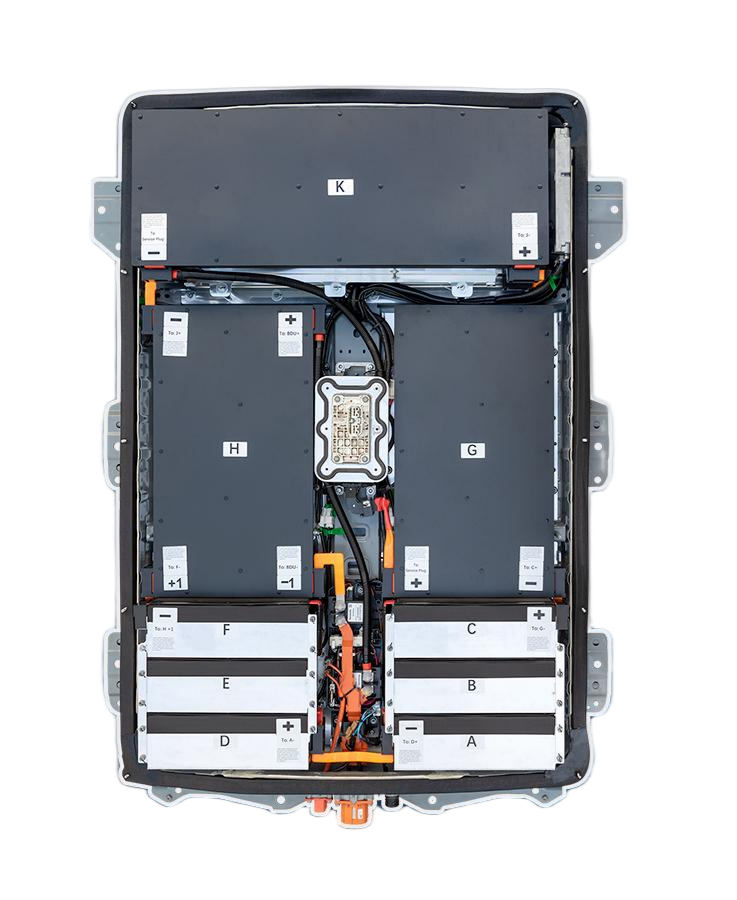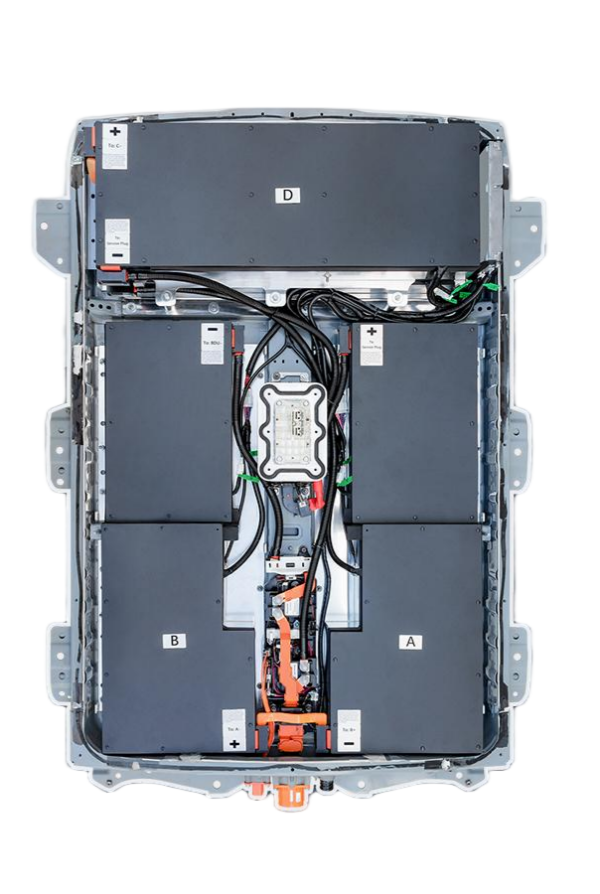
Comparing Nissan Leaf Battery Installation Options: OEM vs Aftermarket
Is your Nissan Leaf struggling to hold a charge? You’re not alone. As the years roll on, even the most reliable EVs face battery degradation. When the dreaded “range anxiety” hits, the most critical decision you’ll make is whether to go with an Original Equipment Manufacturer (OEM) replacement or explore the robust world of Aftermarket Nissan Leaf Batteries.
As a leading manufacturer specializing in high-performance lithium-ion power batteries, we understand the hesitation. You want safety, longevity, and value. You want to know that your car isn’t just getting a new battery, but a reliable powertrain upgrade. This guide cuts through the marketing noise to help you compare your options and make the best financial and technical decision for your Leaf.
The OEM Dilemma: Quality vs. Cost
Let’s address the elephant in the room: the cost of a brand-new, factory-spec battery from Nissan.
While OEM batteries are the “plug-and-play” standard, they come with a premium price tag. Often costing upwards of $12,000 to $16,000, this option can be financially crippling for a vehicle that is no longer new. Many owners find themselves in a catch-22: the cost of the battery replacement exceeds the resale value of the car itself.
Furthermore, while OEM parts are reliable, they are often built to the “standard” of when the car was designed, not the advancements made in the last decade. If you’re looking for a performance boost or a longer warranty than what the original factory offers, the OEM path often falls short.
The Aftermarket Advantage: Why Choose a Third-Party Solution?
This is where the Aftermarket Nissan Leaf Battery shines. Specifically, we focus on providing Original factory standard R&D solutions that meet or exceed OEM specifications, but at a fraction of the cost.
1. Significant Cost Savings
The most immediate benefit is financial. A high-quality aftermarket solution, like those we engineer, can save you 50% or more compared to the OEM price. For example, owners like David L. from London saved nearly $10,000 by switching to a CNS battery, bringing his total cost down to around $8,200 while achieving the full 440km range.
2. Access to Brand-New, Premium Cells
Here is a crucial distinction: Not all aftermarket batteries are created equal. While some budget options use recycled or refurbished cells (which can lead to swelling and rapid degradation), a premium aftermarket manufacturer utilizes brand-new, top-tier cells from suppliers like CATL (Contemporary Amperex Technology Co. Limited).
Using new cells ensures:
- Ultimate Safety: No risk of hidden defects from previous usage cycles.
- Longer Lifespan: New chemistry means a battery designed to last another 8-10 years.
- Higher Capacity: Many aftermarket options offer “Plus” upgrades (like 62kWh or 68kWh) for Leafs originally equipped with smaller packs, effectively giving your car a range boost.
3. Superior Warranty Protection
Contrary to the myth that aftermarket means “no warranty,” reputable manufacturers often offer warranties that beat the factory. While OEM replacements might offer a standard 8-year/100,000-mile warranty (often prorated), a dedicated aftermarket specialist can offer competitive terms like a 24-month/80,000km warranty with clear coverage against defects and performance degradation.
Installation: Is it a DIY Job or a Mechanic Job?
A common concern is the complexity of the Nissan Leaf battery installation.
The Reality of Installation:
While it is a major mechanical and electrical task, it is not rocket science. Most professional mechanics can complete the job in 1-2 hours. The process is largely mechanical: disconnecting the old pack, lifting it out, and bolting in the new one.
What About the Electronics?
The BMS (Battery Management System) programming is where expertise matters. This is why we provide comprehensive support. Whether you choose a professional garage or decide to tackle it yourself (as many of our customers do), we offer step-by-step video tutorials and direct technical support to ensure the programming is seamless.
Making the Choice: OEM vs. Premium Aftermarket
To help you visualize the difference, here is a quick comparison of what you get with each option:
| Feature | OEM Factory Battery | Budget/Refurbished Aftermarket | Premium New Aftermarket (CNS) |
|---|---|---|---|
| Cell Quality | New OEM Cells | Used/Recycled Cells (Aged, Risk of Swelling) | Brand New CATL Cells (Top Tier Quality) |
| Price | Very High ($12k-$16k+) | Low (But High Risk) | Affordable (~50% Savings) |
| Warranty | Standard Factory Terms | Often None or Very Short | 24 Months / 80,000km |
| Performance | As Original | Unpredictable, Degrades Fast | Equal or Better than OEM |
| Best For | Unlimited Budget | High Risk Takers | Smart Savers & Performance Seekers |
Real-World Results: What Our Customers Experience
Don’t just take our word for it. The proof is in the longevity and satisfaction of our users.
- Mark T. upgraded his 2015 Leaf ZE0 from 40kWh to 62kWh for half the OEM price. He reported that the installation was plug-and-play, and after a year of use, his battery still shows 11 out of 12 bars.
- Tom H., a DIY enthusiast, managed the entire Nissan Leaf battery installation himself using our video guides. He saved thousands on labor costs and was back on the road with a full 430km range.
- Mike’s Auto Service, a repair shop in Canada, relies on our packs for their customers because of the zero failure rate and the ease of the pre-sales VIN compatibility check.
Conclusion: A Reliable Future for Your Leaf
Choosing to replace your Nissan Leaf’s battery is an investment in your vehicle’s future. While the OEM path is safe, it is often prohibitively expensive and offers dated technology. The budget aftermarket path is risky and can lead to further costly repairs.
The smart choice lies in the Premium Aftermarket segment. By choosing a manufacturer that utilizes new, high-grade cells, offers competitive warranties, and provides robust technical support, you are not just replacing a battery; you are revitalizing your car.
You don’t have to let your Leaf die in the driveway. With the right Aftermarket Nissan Leaf Battery, you can enjoy another decade of reliable, eco-friendly driving.
Ready to bring your Leaf back to life?
Get a free, no-obligation quote today and see how much you can save.
Get Your Free Custom Quote Now
Frequently Asked Questions (FAQ)
1. Is an aftermarket battery safe for my Nissan Leaf?
Yes, if you choose a reputable manufacturer. Our batteries use brand-new CATL cells and undergo rigorous safety testing. We adhere to OEM standards for voltage and interface matching, ensuring a safe fit without modifications. Unlike refurbished packs, new cells eliminate the risk of swelling or internal short circuits.
2. How long does the Nissan Leaf battery installation take?
For a professional technician, the installation typically takes 1-2 hours. This includes disconnecting the old pack, removing it, and bolting in the new one. We provide detailed installation videos and manuals to assist with the process, including BMS programming guidance.
3. Will an aftermarket battery void my car’s warranty?
Generally, replacing the battery with an aftermarket unit means you are replacing that specific component. However, a high-quality aftermarket battery designed to OEM specifications (like ours) ensures compatibility. We recommend confirming specific warranty terms with your service provider, but the physical and electrical fit of our packs is designed to be seamless.
4. What kind of warranty do you offer on your batteries?
We offer a comprehensive 24-month / 80,000km warranty on our automotive batteries. This covers defects in materials and workmanship. We also provide prorated coverage for performance degradation, guaranteeing the battery maintains a high capacity over the warranty period.
5. Can I install the battery myself?
Yes, many of our customers are successful DIY installers. We provide step-by-step video tutorials and PDF manuals. However, because it involves high voltage and heavy lifting, we strongly recommend having it installed by a certified technician if you are not experienced with EV mechanics.