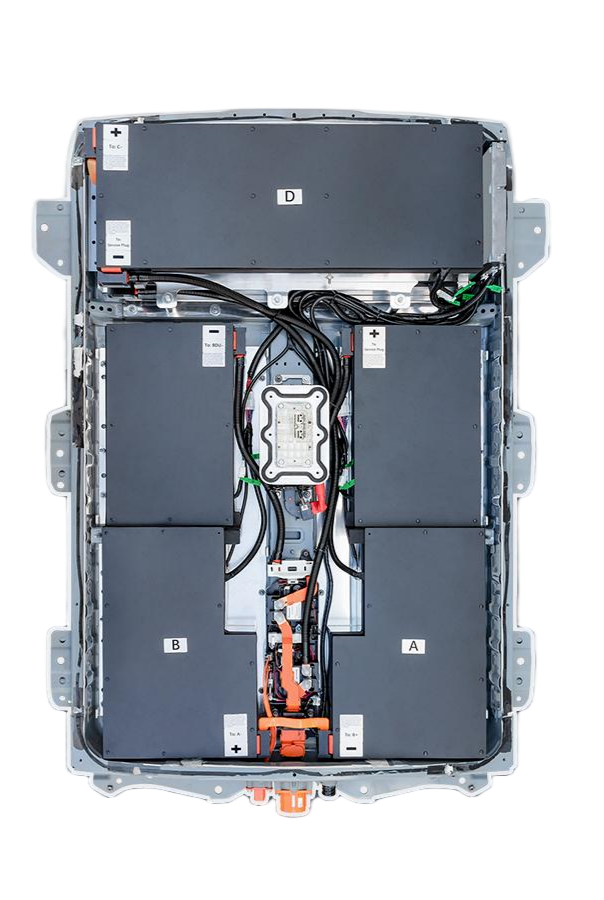
Here is the SEO-optimized article tailored for the Nissan Leaf 62kWh battery replacement market, written from the perspective of a CNS BATTERY expert.
⚡ Expert Tips for Nissan Leaf 62kWh Battery Installation: The Ultimate 2026 Guide
The Nissan Leaf 62kWh battery represents the pinnacle of the second-generation Leaf (AZE0/ZE1) models, offering a significant leap in range and performance over its predecessors. However, when the time comes to replace or upgrade this critical component, the process can seem daunting. Whether you are a professional mechanic or a seasoned DIY enthusiast, understanding the nuances of the Leaf 62kWh installation is crucial for maintaining the safety and longevity of your vehicle.
At CNS BATTERY, we specialize in OEM-compatible lithium-ion solutions for Nissan and BMW. We understand that a successful installation is not just about dropping a new pack into the chassis; it is about precision, preparation, and post-installation protocol. This guide provides expert tips to ensure your Nissan Leaf battery replacement goes smoothly, maximizing your investment in a high-capacity pack.
🛠️ Pre-Installation Preparation: Safety First
Before you even jack up the vehicle, proper preparation is the foundation of a safe 62kWh battery installation.
1. Gather the Right Tools
While the Leaf 62kWh battery is designed for a plug-and-play experience with OEM standards, you cannot do this job with just a wrench. Ensure you have:
- Insulated Tools: High-voltage safety is non-negotiable.
- Torque Wrench: Critical for securing the battery bolts to the manufacturer’s specifications (usually around 30-40 Nm, but always verify).
- Diagnostic Scanner: You will need this to reset the Battery Management System (BMS) and clear any error codes after the swap.
- Lifting Equipment: A sturdy hydraulic jack and axle stands, or a professional lift.
2. Environmental Check
Ensure you are working in a dry, well-ventilated area. Moisture and high-voltage lithium-ion batteries are a dangerous combination. If you are performing a Leaf battery replacement in a humid climate, consider using a dehumidifier in your workspace.
3. Vehicle State
Always disconnect the 12V auxiliary battery first. This cuts power to the control units and prevents short circuits during the high-voltage cable disconnection.
🔋 The Installation Process: Step-by-Step
The Nissan Leaf 62kWh battery is heavier and larger than the 40kWh variant. Handling requires care.
Step 1: Removal of the Old Pack
The old battery is likely secured by 10-12 bolts. Remove these systematically, starting from one side to avoid warping the chassis. Once loose, carefully lower the pack. Pro Tip: If the old pack is swollen or damaged, handle the high-voltage cables with extreme caution—do not cut or pierce them.
Step 2: Physical Installation of the 62kWh Pack
When lifting the new Leaf 62kWh battery into place, align the mounting points carefully. The CNS BATTERY pack is engineered to match the OEM dimensions exactly, so it should slide in without force. Ensure the rubber mounting bushings are correctly positioned to prevent vibration damage.
Step 3: High-Voltage (HV) Connection
This is the most critical step. Connect the HV cables last. Before tightening the main contactor bolts, apply the correct dielectric grease or anti-seize compound recommended by the manufacturer to prevent corrosion. Do not over-tighten these bolts, as this can strip the threads on the busbars.
💻 Post-Installation: Coding and Calibration
Simply plugging in the battery does not guarantee the car will drive. The Leaf 62kWh battery replacement requires electronic integration.
1. BMS Programming
Your vehicle’s BMS needs to recognize the new battery’s capacity. This often requires a specific software procedure or a pre-programmed module. If you are using a CNS BATTERY pack, our technical team provides support for this step. If the BMS is not updated, the car may default to a lower capacity mode (e.g., showing only 40kWh even with a 62kWh pack installed).
2. “Battery Hugging” (Initial Charge Cycle)
After installation, we recommend a specific charging protocol to calibrate the State of Charge (SOC):
- First Charge: Charge the Leaf 62kWh battery to 100% using a Level 1 or Level 2 charger (avoid DC fast charging for the first cycle if possible).
- Drive Cycle: Take the car for a moderate drive (approx. 30-50 km) to allow the BMS to learn the new cell characteristics.
- Deep Discharge (Optional but Recommended): Drive the car until the range display hits 0 km/miles (do not let the car shut down completely if avoidable).
- Full Recharge: Charge back to 100% to lock in the calibration.
📊 Why Choose a CNS BATTERY 62kWh Pack?
When replacing the heart of your Nissan Leaf, quality is paramount. Here is why our solution stands out in the market for Nissan Leaf battery upgrades.
| Feature | CNS BATTERY 62kWh Pack | Standard Refurbished Packs |
|---|---|---|
| Cell Quality | Brand New CATL Cells | Recycled/Used Cells |
| Warranty | 2 Years / 80,000 km | Often None or 6 Months |
| Performance | Full 62kWh Capacity, No Swelling | Risk of Swelling, Rapid Degradation |
| Price | ~50% of OEM Cost | Cheap upfront, high failure risk |
The CNS Advantage:
We utilize brand-new CATL battery cells, the gold standard in the industry, ensuring your Leaf 62kWh battery delivers the range and safety it was designed for. Unlike refurbished packs that use degraded cells, our new cells guarantee a lifespan far exceeding typical aftermarket offerings.
🛡️ Troubleshooting Common Issues
Even with expert installation, users might encounter hiccups. Here is how to handle them:
- “Traction Battery Not Ready” Error: This usually indicates a BMS communication fault. Check the 12V connection and the LV (Low Voltage) signal cables connected to the battery. A hard reset (disconnecting the 12V for 10 minutes) often resolves this.
- Charging Port Light Flashing: Verify the CP (Control Pilot) signal. If using a third-party pack, ensure the resistors in the charging port match Nissan’s specifications.
- Air Conditioning/Heater Not Working: The HVAC system relies on the battery temperature sensors. Ensure the thermistor connectors inside the battery harness are securely plugged in.
📝 Final Thoughts
Installing a Nissan Leaf 62kWh battery is a transformative upgrade that can breathe new life into your EV. By following these expert tips—prioritizing safety, correct BMS coding, and proper calibration—you ensure that your vehicle performs at its peak.
At CNS BATTERY, we don’t just sell a product; we provide a complete power solution. Our commitment to using new CATL cells and offering a robust 2-year warranty means you are buying reliability, not just a battery.
Ready to upgrade your Nissan Leaf? Get a free quote for your custom battery solution today.
Get Your Free Custom Quote Now
❓ Frequently Asked Questions (FAQ)
Q1: Can I install a 62kWh battery on a Leaf that originally had a 40kWh?
Yes, it is a direct physical swap. However, you may need to update the vehicle’s software or BMS to recognize the increased capacity. Some earlier models might require a physical shunt upgrade, which our technical team can advise on.
Q2: How long does the installation take?
For a professional technician, the physical swap usually takes 1 to 2 hours. Including the BMS coding and initial diagnostic checks, budget for half a day to ensure everything is perfect.
Q3: What is the expected range after installing a new 62kWh pack?
With a brand-new CNS BATTERY 62kWh pack, you can expect a real-world range of approximately 350-400 km (220-250 miles), depending on driving conditions and climate. This is a massive improvement over a degraded original pack.
Q4: Do I need special tools for the BMS reset?
Yes, you will typically need an OBD2 diagnostic tool capable of communicating with the Nissan Leaf protocol (such as Consult-III or compatible aftermarket scanners). If you do not have access to one, a local mechanic can perform this step quickly.