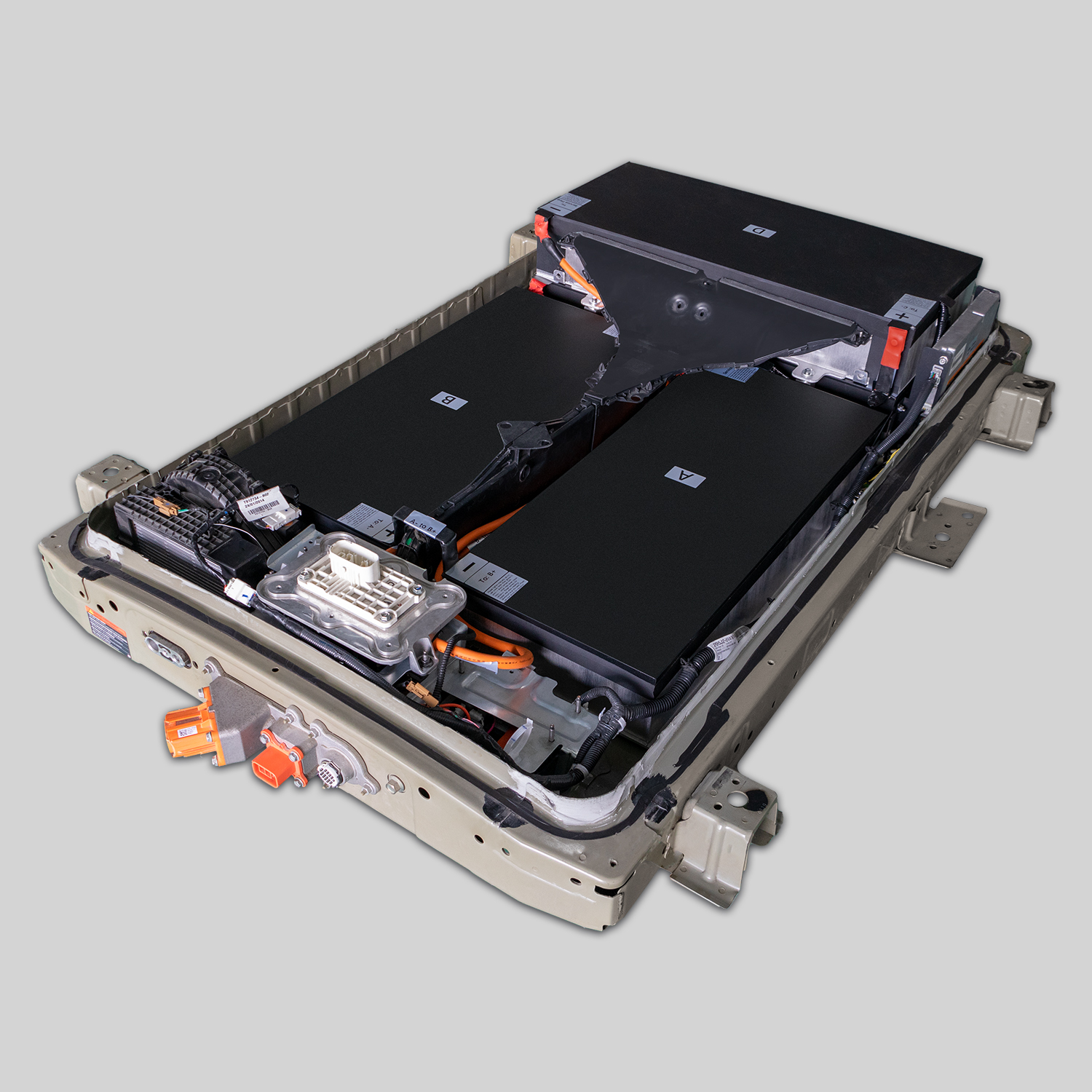
⚡ Is a Leaf AZE0 24kWh Replacement Worth It? (2026 Review)
If you own a Nissan Leaf AZE0 (2018-2023 model) with the 24kWh battery, you know the struggle. The range anxiety is real. With a fully charged capacity that often delivers only 100-120km (60-75 miles) in real-world driving, this battery is essentially a glorified city commuter.
As a battery specialist at CNS BATTERY in 2026, I get asked this question daily: “Is it worth replacing my 24kWh Leaf battery, or should I just buy a new car?”
The short answer is a definitive YES, but not with another 24kWh pack. Replacing your degraded or low-capacity 24kWh battery with a modern, high-capacity alternative is the single most cost-effective upgrade you can make for your EV.
Here is the complete breakdown of why a 24kWh replacement is worth it in 2026, and how to do it right.
📉 The Problem with the 24kWh Pack
The 24kWh battery was a budget option when the AZE0 launched. However, by 2026 standards, it is obsolete for several reasons:
- Severe Range Limitation: It simply cannot support highway driving or long commutes.
- Degradation: If your car is 5+ years old, your capacity is likely down to 16-18kWh. This reduces your usable range to a mere 60-80km, making the car nearly unusable.
- Resale Value: A car stuck with a 24kWh battery has almost zero resale value in the used EV market.
Simply replacing it with another 24kWh pack is a waste of money. You are just fixing the symptom (degradation) but not the disease (low capacity).
💰 The 2026 Economics: Why It Makes Sense
Let’s look at the math from our 2026 perspective. The price of new Lithium Iron Phosphate (LiFePO4) and NMC cells has dropped significantly, while the cost of new EVs has stabilized.
| Option | Estimated Cost (2026) | Result |
|---|---|---|
| New Nissan Leaf | $30,000+ | A brand new car, but a massive financial jump from a $5k car. |
| Used 40kWh Leaf | $8,000 – $10,000 | Buying someone else’s depreciation. |
| 24kWh Replacement | $4,000 – $5,000 | Fixes degradation but keeps the short range. |
| 24kWh to 62kWh Upgrade | $7,500 – $9,000 | Transforms your car into a Long-Range EV. |
The Verdict: Spending $8,000 to upgrade your existing AZE0 from a 24kWh to a 62kWh or 68kWh pack effectively gives you a car with 400km+ (250 miles) of range for less than 30% of the cost of a new EV. This is the definition of “worth it.”
🚀 The Ultimate Solution: Swapping to 62kWh
At CNS BATTERY, our data shows that the most popular and rewarding path for AZE0 owners is the capacity upgrade.
Instead of putting in a like-for-like 24kWh battery, we modify the Battery Management System (BMS) and harness to accept a 62kWh or 68kWh module. This is technically a “replacement” but functionally a “transformation.”
✅ Benefits of the 62kWh Conversion
- Range Doubled (Tripled): Go from 120km to 430km+ on a single charge.
- Performance: The AZE0 motor handles the higher voltage and current of larger packs efficiently.
- Future Proofing: A 62kWh pack meets modern EV standards and will remain usable for another 5-7 years.
Expert Insight: Many AZE0 owners initially balk at the price difference between a 24kWh and 62kWh replacement. However, 90% of them regret not upgrading later. We call it the “Second Upgrade Trap” — spending money twice because you didn’t go big the first time.
⚙️ Technical Considerations for 2026
Replacing a Leaf AZE0 battery in 2026 isn’t just about dropping in a box of cells. Here is what our engineering team focuses on to ensure your replacement is worth the investment:
1. Cell Chemistry (Say Goodbye to Lizard Cells)
The original 24kWh used aging Lithium Manganese Oxide (LMO) cells prone to overheating and rapid degradation.
- Our Standard: We use brand-new CATL cells (either NMC or LiFePO4 depending on the kit). These offer superior thermal management and a lifespan of over 3000 cycles.
- Safety: Modern cells prevent the “swelling” issues common in older Leaf batteries.
2. BMS Reprogramming
You cannot plug a 62kWh pack into a car expecting 24kWh without telling the car’s computer.
- Our technicians (or our DIY guides) reprogram the BMS to communicate the correct State of Charge (SOC) and State of Health (SOH) to your dashboard. This ensures your range meter is accurate and prevents error codes.
3. Installation Time
Thanks to the modular design of the AZE0, the physical swap takes 1.5 to 2 hours for a professional. We provide video-guided installation to ensure you don’t damage the new pack during the drop-in process.
📝 The Final Recommendation
Is a Leaf AZE0 24kWh replacement worth it?
Yes, but only if you upgrade the capacity.
Spending money to put a new 24kWh battery in your car in 2026 is like putting new shoes on a horse in the age of automobiles. It works, but it doesn’t move you forward.
The smart move:
- Scrap the 24kWh: Accept that the original capacity is insufficient.
- Invest in 62kWh: Transform your car into a viable long-range EV.
- Save Thousands: Enjoy a “new” car feeling for a fraction of the MSRP.
If you are ready to end the range anxiety and unlock the true potential of your Nissan Leaf AZE0, we can help you find the perfect high-capacity solution.
Get a Free Custom Quote for your AZE0 Upgrade today.
Contact CNS BATTERY Experts Now
❓ FAQ: Leaf AZE0 24kWh Replacement (2026)
Q1: Can I just replace my 24kWh with another 24kWh?
Yes, technically, but we strongly advise against it unless you only drive 10km per day. The labor cost is similar to an upgrade, but the result leaves you with the same limited range. It is rarely a good investment in 2026.
Q2: Will upgrading to 62kWh damage my AZE0’s motor?
No. The Nissan Leaf AZE0 motor and inverter are designed to handle the higher loads of the 62kWh configuration. The car’s software limits the power draw to safe levels, just as it did in the factory 62kWh models.
Q3: How long does a new replacement battery last?
Our replacement packs use new A-grade cells. You can expect a lifespan of 8-10 years or 200,000+ km under normal driving conditions, with minimal degradation thanks to the advanced Battery Management System.
Q4: Is the installation plug-and-play?
The physical connectors for the high-voltage lines and signals are designed to match the OEM specifications. However, the BMS programming requires specific software tools. We offer remote video support to guide you through the software handshake between the car and the new battery.