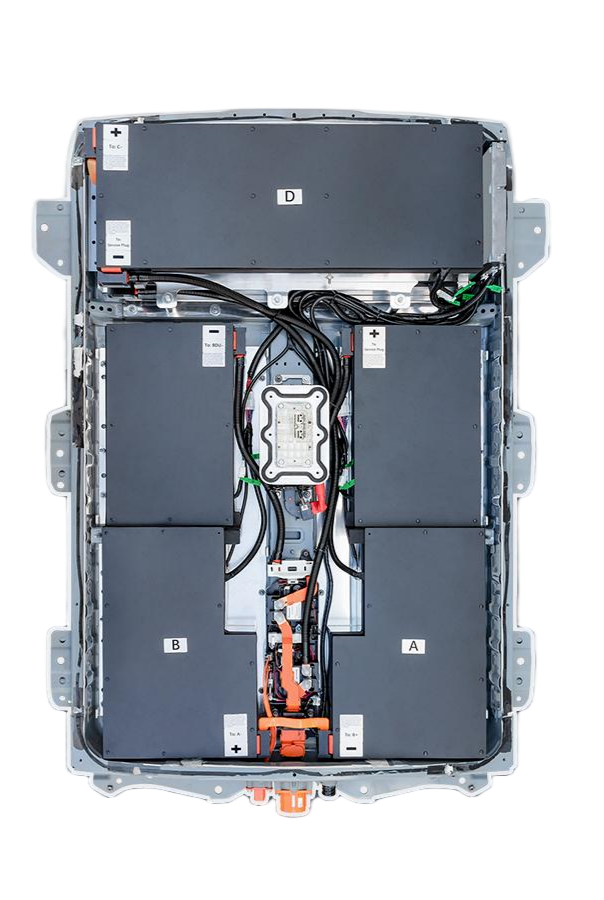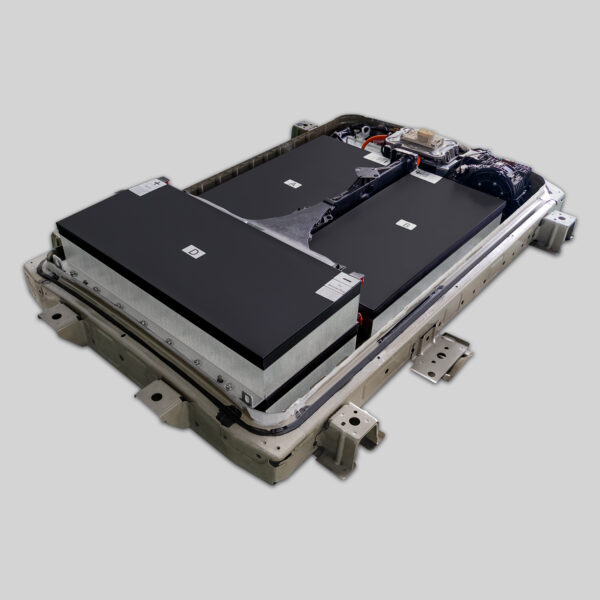
🌏 Why New Zealand is the World Capital of Nissan Leaf Swaps
When it comes to electric vehicle (EV) adoption, few places rival the enthusiasm found in New Zealand. For a country known for its pristine landscapes and commitment to sustainability, the Nissan Leaf has become the poster child of the local EV revolution. However, there is a specific challenge that has inadvertently turned New Zealand into the “World Capital of Nissan Leaf Swaps.”
The core issue lies in the ageing fleet. Many of the Leafs currently on the road were imported second-hand from Japan and are now over a decade old. While these cars are mechanically sound, their original batteries have degraded significantly. This has created a massive, urgent demand for Nissan Leaf battery replacements.
But why replace the battery instead of buying a new car? The economics are undeniable. A brand-new EV can cost upwards of $50,000 NZD, while a battery swap can breathe new life into a reliable Leaf for a fraction of that cost. This “retrofit” culture has exploded, making New Zealand the global hotspot for innovation in used EV rejuvenation.
⚡ The Economics of the Swap: Why Do It?
The primary driver for the “Leaf Swap” phenomenon is simple math. Let’s break down the reality facing Kiwi EV owners:
- The Cost of New: Purchasing a brand-new Nissan Leaf or a comparable EV involves a significant financial outlay, often exceeding $60,000 NZD after on-road costs.
- The Cost of Refurbishment: Replacing the degraded battery pack with a modern, high-capacity solution typically costs between $8,000 and $12,000 NZD.
This represents a saving of roughly 70-80% compared to buying new. For a vehicle that has proven to be incredibly durable with low maintenance costs, this makes the battery replacement a no-brainer for budget-conscious drivers and commercial operators alike.
Moreover, the environmental impact is substantial. By retaining the chassis, motor, and body of the vehicle and only replacing the battery, owners significantly reduce the carbon footprint associated with manufacturing a brand-new car.
🔋 The Battery Challenge: Degradation and Solutions
Most early-generation Nissan Leafs (specifically the 24kWh models) were equipped with batteries that simply haven’t stood the test of time. After 10+ years, these batteries often suffer from severe capacity loss, reducing the driving range to a point where they are no longer practical for daily use.
This has led to a surge in demand for specific battery upgrade paths:
- The 24kWh to 40kWh/62kWh Upgrade: Many owners are swapping their old 24kWh packs for the newer 40kWh or 62kWh modules originally found in later Leaf models. This not only restores the car to its former glory but often improves the range beyond the original specifications.
- The “New Cell” Advantage: The market has shifted from using salvaged “second-hand” battery modules to using brand-new battery cells. Using salvaged modules often leads to “range anxiety” as the new-old modules might degrade faster. The superior solution is to use brand-new, high-quality lithium-ion cells.
📊 Why New Cells Win: A Quick Comparison
| Feature | Used/Salvaged Modules | Brand New Battery Cells (CNS Solution) |
|---|---|---|
| Cell Quality | Aged, unknown history, potential for swelling | Brand new, premium grade (CATL) |
| Expected Lifespan | 2-3 years (matches the age of the module) | 10+ years (full lifecycle) |
| Warranty | Often none, or very limited | 24 months / 80,000 km |
| Performance | Unpredictable degradation | Stable, full capacity |
🏆 The Global Standard: OEM Compatibility Meets Innovation
While New Zealand leads in the volume of swaps, the technology driving this revolution is becoming increasingly sophisticated. The goal for most workshops and DIY enthusiasts is to achieve OEM (Original Equipment Manufacturer) compatibility.
This means the replacement battery must:
- Fit Perfectly: It must slot into the chassis without modification.
- Communicate Seamlessly: It must talk to the car’s BMS (Battery Management System) without throwing error codes.
- Match Safety Standards: It must meet the rigorous thermal and structural safety standards of the original factory.
The latest trend is moving towards solutions that offer Plug-and-Play functionality. This eliminates the need for complex rewiring or custom BMS programming, making the swap accessible to a wider range of mechanics.
🛠️ Your Path to a Revived Leaf
If you are sitting on a pile of rust (or a slightly tired Leaf) in New Zealand, the message is clear: don’t scrap it, swap it.
The process is straightforward:
- Assess: Check the health of your current battery. If the range is below 100km, it is likely time for a change.
- Choose: Decide between a used module (budget option, higher risk) or a new cell pack (premium, long-term solution).
- Install: Find a reputable workshop experienced in EV conversions, or if you are technically inclined, follow a professional guide.
By opting for a high-quality, new-cell battery replacement, you are not just fixing a car; you are creating a “new-to-you” EV that is cheaper to run than a petrol car and kinder to the environment.
❓ Frequently Asked Questions (FAQ)
Q1: Is it legal to replace a Nissan Leaf battery in New Zealand?
Yes, it is legal. However, if the battery capacity or voltage differs significantly from the original, you may need to go through a Low Volume Vehicle (LVV) certification process to ensure the vehicle remains compliant with safety standards. Using a direct replacement (e.g., 40kWh for 40kWh) usually avoids this complication.
Q2: How long does a Nissan Leaf battery replacement take?
For a professional technician, the physical swap usually takes between 3 to 5 hours. This includes draining the coolant, disconnecting the old pack, installing the new one, and refilling the system. If BMS programming or calibration is required, this may add extra time.
Q3: Can I do the swap myself?
Yes, many DIY enthusiasts successfully replace their own Leaf batteries. However, it requires specific tools (like a transmission jack), knowledge of high-voltage safety, and the physical ability to lift heavy objects (the battery pack weighs approximately 300kg). If you are unsure, it is always safer to hire a professional.
Q4: What is the best type of replacement battery to get?
We strongly recommend using a battery pack built with brand new cells rather than used modules. While used modules are cheaper, they have already lost a portion of their lifespan. A new cell pack offers the full 8-10 year lifespan and comes with a proper warranty, ensuring you won’t have to do this job again anytime soon.
Q5: How much range can I expect after the swap?
If you upgrade from a 24kWh to a 40kWh or 62kWh pack, you can expect a realistic driving range of 240km to 340km respectively, depending on driving conditions and the specific model year of your Leaf.
Ready to join the revolution and give your Nissan Leaf a second life? Stop paying for a new car when all you need is a new heart.
Get a Free Custom Quote for Your Nissan Leaf Battery Today