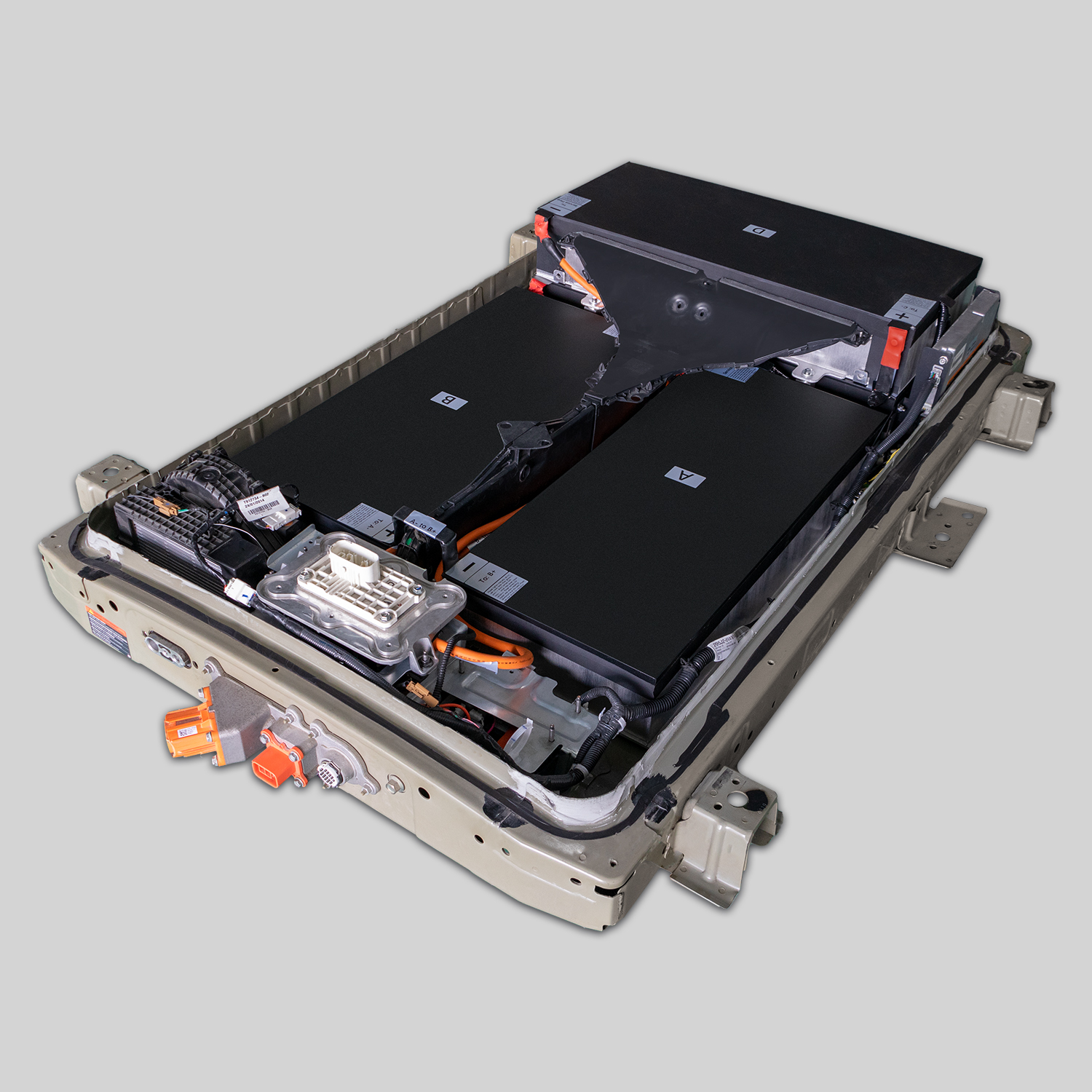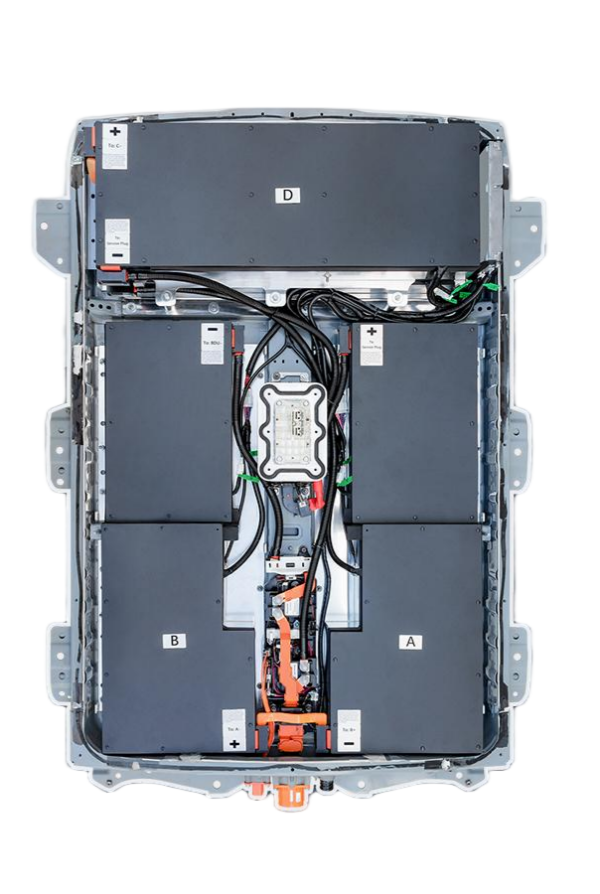
Comparing Energy Density: CNS 40kWh vs. Nissan Original 40kWh
If you are the owner of a Nissan Leaf or e-NV200, you have likely faced the dilemma of battery degradation. As the years pass, the range of your vehicle inevitably decreases. When the time comes to replace your battery, the choice is usually between the original manufacturer’s (OEM) battery and a high-quality aftermarket solution. In this article, we will conduct an in-depth technical comparison, focusing specifically on the energy density of the CNS 40kWh battery versus the Nissan original 40kWh battery. We will explain why choosing the right battery is not just about capacity, but about the chemical composition and thermal management behind it.
The Core Difference: CATL Cells vs. Aging Chemistry
When comparing the energy density of two batteries with the same nominal capacity (40kWh), the key factor is not the capacity itself, but the battery cell technology used.
1. The Chemistry Behind the Power
The original Nissan Leaf 40kWh batteries, depending on the production year, often used Laminated (Layered) Lithium Manganese Oxide (LMO) cells or a blend of LMO and NMC (Nickel Manganese Cobalt). While these were reliable technologies at the time, they have inherent limitations regarding energy density and heat generation compared to modern standards.
In contrast, CNS BATTERY utilizes brand-new, top-tier battery cells from CATL (Contemporary Amperex Technology Co. Limited). CATL is currently the world’s largest manufacturer of lithium-ion batteries. The cells we use are typically high-performance NMC or advanced ternary lithium formulations. These modern chemistries allow for a higher concentration of energy within the same physical volume.
2. Energy Density and Its Practical Impact
Energy density refers to the amount of energy stored in a given system or space. In the context of electric vehicles, a higher energy density means that the battery can store more energy without increasing its size or weight.
- Original Battery: Over time, the chemical structure of the original cells degrades. The energy density effectively decreases, leading to a phenomenon where the battery “shows” 40kWh but delivers significantly less usable energy.
- CNS 40kWh Battery: By using new-generation CATL cells, our battery maintains a stable and high energy density. This translates directly to a longer driving range and faster charging speeds compared to the original battery, even though both are labeled as 40kWh.
Expert Insight: Do not be misled by the “40kWh” label alone. A brand-new 40kWh battery using modern NMC chemistry will outperform an old 40kWh LMO battery in every metric, including power output and thermal stability.
Beyond Chemistry: Thermal Management and BMS
Energy density is not just about the cells; it is also about how the battery manages the heat generated by that density.
1. Overcoming the “Heat Wall”
High energy density can generate significant heat. The original Nissan battery design, particularly in earlier models, struggled with heat dissipation, leading to rapid degradation in hot climates.
The CNS BATTERY is engineered with Original Factory Standard R&D. We have optimized the thermal management system to handle the higher energy density of the new CATL cells. This ensures that even under high load (such as highway driving or fast charging), the battery remains within the optimal temperature range, preventing the “sudden death” syndrome common in original Nissan batteries.
2. The Intelligence of the BMS
The Battery Management System (BMS) is the brain of the battery. Our BMS is programmed to communicate seamlessly with the Nissan Vehicle Control Module (VCM). Unlike some refurbished batteries that simply patch together old modules, our BMS is designed to accurately report the state of the new high-density cells, ensuring the car’s dashboard displays the correct range (SOH) and prevents error codes.
Real-World Performance: Why the CNS Battery Feels “Bigger”
Many of our customers report that after installing the CNS 40kWh battery, their car feels more powerful and the range seems better than when it was new. This is not an illusion; it is physics.
| Feature | Nissan Original 40kWh (Degraded/Old Tech) | CNS 40kWh (New CATL Cells) |
|---|---|---|
| Core Cell Supplier | Older Generation (LMO/NMC Blend) | Brand New CATL (Top-Tier NMC) |
| Effective Energy Density | Reduced due to chemical aging | High and Stable |
| Thermal Management | Prone to overheating in summer | Optimized for heat dissipation |
| Warranty | Expired or limited | 2 Years / 80,000 km |
| Price | Very High (Often 2x the price) | 50% Savings |
The Economic and Safety Advantage
Choosing a CNS battery is not just about matching the original; it is about upgrading your vehicle’s performance at a fraction of the cost.
1. The 50% Cost Saving
Replacing a battery with the original manufacturer can cost upwards of $12,000 to $16,000. The CNS solution offers the same (or better) performance for approximately 50% less. This makes reviving your Nissan Leaf or e-NV200 a financially viable option.
2. Safety First
There is a common misconception that aftermarket batteries are less safe. However, because we use brand-new, certified CATL cells and rigorous manufacturing standards, the safety risk is actually lower than using the original 10-year-old battery pack, which is prone to short circuits and thermal runaway due to aging.
Frequently Asked Questions (FAQ)
Q1: Will the CNS 40kWh battery fit my Nissan Leaf perfectly?
Yes. We specialize in OEM compatibility. The dimensions, mounting points, and connector interfaces of the CNS battery are designed to match the original Nissan specifications exactly. It is a plug-and-play solution that requires no modifications to your vehicle.
Q2: How long will the CNS 40kWh battery last compared to the original?
Thanks to the use of new-generation CATL cells and our optimized thermal management system, the CNS battery is designed for longevity. While the original battery might have degraded significantly after 5-8 years, our battery is built to last much longer, backed by a 2-year/80,000 km warranty.
Q3: Is the installation process difficult?
Not at all. We provide comprehensive step-by-step installation videos and manuals. Many of our customers (and repair shops) have successfully installed the battery by following our guides. If you encounter any issues during the BMS programming or installation, our technical support team is available for remote video guidance.
Q4: Do I need to modify my car’s software after installation?
No software modifications are required. The CNS BMS is programmed to communicate with the Nissan VCM using standard protocols. Once installed, your car will recognize the battery as if it were a brand-new original unit, displaying the correct state of charge and range.
Ready to revive your Nissan with a brand-new, high-energy-density battery? Don’t let an old, degraded battery limit your range.