Why Local Governments are Funding e-NV200 Battery Retrofits
The electric vehicle (EV) revolution is accelerating, and cities worldwide are facing a critical decision regarding their aging commercial fleets. Specifically, the Nissan e-NV200 has been a staple for urban logistics and taxi services. However, as these batteries degrade, many fleet operators are left with a dilemma: scrap a structurally sound vehicle or pay exorbitant prices for an OEM replacement. This is where a significant shift is happening. Local governments are increasingly funding battery retrofits for e-NV200s. This trend isn’t just about saving money; it is a strategic move to meet aggressive carbon reduction targets without the massive capital expenditure of buying new fleets.
The Economic Logic Behind Government Incentives
Replacing a degraded battery in an e-NV200 with an original equipment manufacturer (OEM) unit can cost upwards of $12,000 to $16,000 USD. For a city or a small business operating a fleet of these vehicles, this cost is often prohibitive. Scrapping the vehicle also means losing the embedded carbon and resources used to manufacture the chassis, motor, and body.
Governments are realizing that subsidizing the replacement of just the “fuel tank” (the battery pack) is far more economical than subsidizing the purchase of an entirely new vehicle. By funding retrofits, municipalities can keep thousands of commercial vehicles on the road, compliant with zero-emission zones, and avoid the massive waste associated with scrapping functional cars. This creates a win-win scenario: the government meets its environmental mandates, and the business saves approximately 50% on the cost of ownership.
The Environmental Imperative
The core argument for funding these retrofits lies in lifecycle analysis. Manufacturing a new car produces significant CO2 emissions. If a vehicle’s chassis is still in good condition, extending its life through a battery swap drastically reduces the environmental impact per mile driven over the vehicle’s lifetime.
Local authorities are now implementing “Cash for Clunkers” style programs, but with a green twist. Instead of crushing the car, they provide grants or tax credits specifically for EV battery upgrades. This policy shift acknowledges that the transition to net-zero requires maximizing the utility of existing assets.
The Technical Challenge and Solution
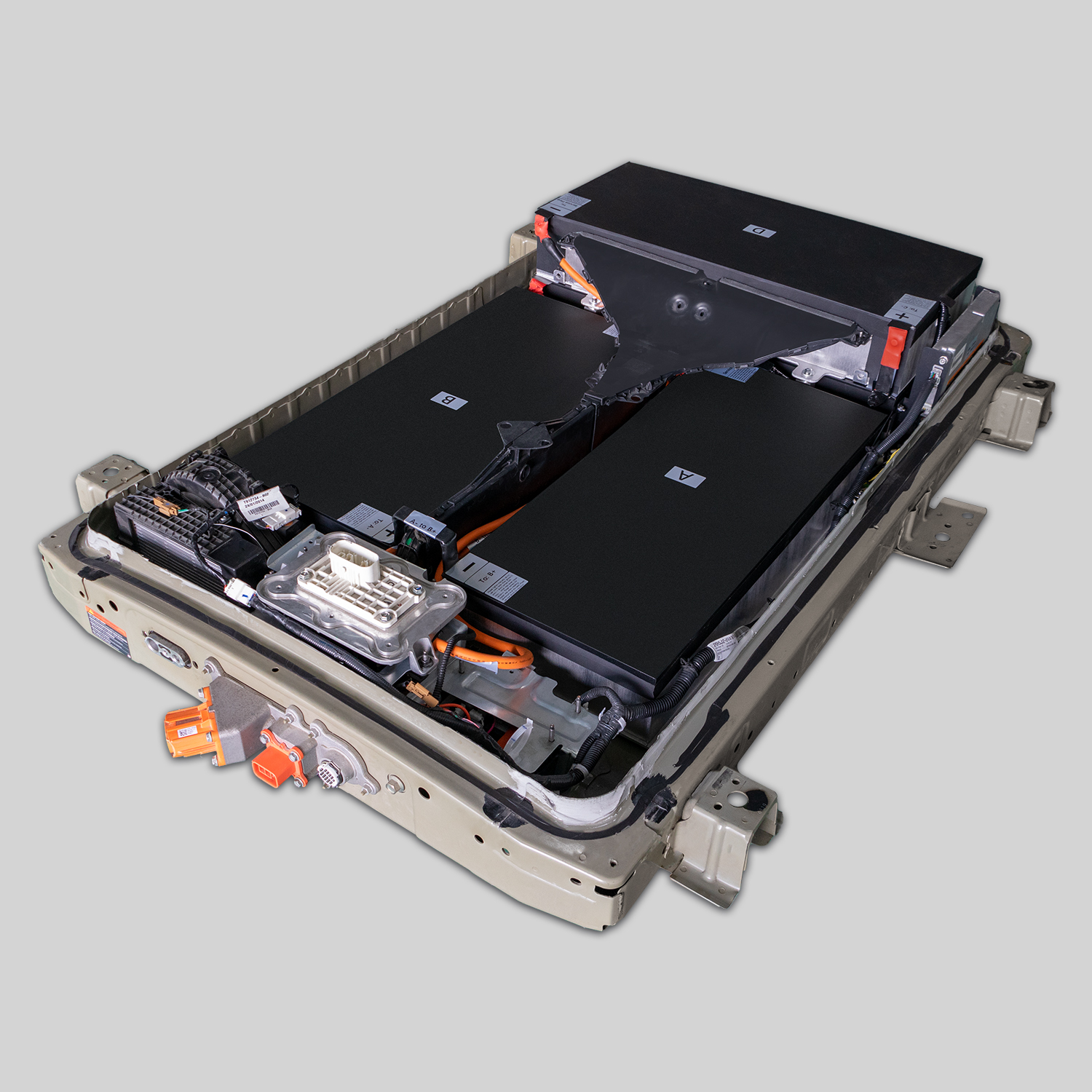
While the economic and environmental arguments are strong, the technical execution has historically been a barrier. Retrofitting a battery is not as simple as bolting on a new part. It requires precise engineering to match the Battery Management System (BMS), voltage curves, and physical dimensions of the original pack.
This is where specialized manufacturers like CNS Battery step in. We provide OEM-compatible battery solutions specifically designed for the Nissan e-NV200. Unlike salvaged or refurbished packs, our solutions utilize brand-new, high-grade cells from CATL (Contemporary Amperex Technology Co. Limited), ensuring the longevity and safety required for commercial operations.
Key Features of a Professional Retrofit:
- Precision Fit: The battery must fit the original mounting points without modifications.
- Communication Protocol: The BMS must communicate seamlessly with the vehicle’s onboard computer to avoid error codes.
- Thermal Management: The cooling system must interface correctly to prevent overheating.
Performance and Reliability
A common concern is whether a retrofitted battery can match the performance of a factory unit. The answer is a resounding yes, provided the retrofit is done with new, high-quality components.
Our e-NV200 battery packs are available in various capacities, including 40kWh and 50kWh configurations. These packs are engineered to deliver the same, if not better, range and charging speed as the original. For instance, a 50kWh retrofit can restore the vehicle to its original full charge range of approximately 348km (EPA estimate), effectively “reviving” the car.
The Business Case for Fleet Operators
For taxi drivers, delivery services, and municipal workers, downtime is lost revenue. A successful retrofit must minimize this downtime. The process typically takes 1-2 hours for a professional technician.
Moreover, the financial math is compelling. Consider a fleet owner in a city that offers a $3,000 grant for battery retrofits. By choosing a high-quality aftermarket solution like CNS Battery, which costs roughly 50% less than the OEM, the operator can upgrade their entire fleet at a fraction of the cost. This allows them to bid for city contracts that require zero-emission vehicles, opening up new revenue streams.
Frequently Asked Questions (FAQ)
1. Is a retrofitted battery as safe as a new car battery?
Yes, when sourced from a reputable manufacturer like CNS Battery. We utilize new, premium-grade cells and rigorous quality control processes. Our packs come with a comprehensive 2-year / 80,000km warranty, covering defects and performance degradation, ensuring you drive with peace of mind.
2. Will a battery retrofit void my vehicle’s remaining warranty?
This depends on the specific terms of your vehicle’s warranty. However, many modern retrofits are designed as “plug-and-play” solutions that do not require modifications to the vehicle’s original wiring or computer systems. It is always recommended to consult with the retrofit provider regarding compatibility. At CNS, we provide VIN compatibility checks to ensure a perfect match.
3. How long does a retrofitted battery last?
A battery using new, high-quality lithium-ion cells (such as CATL cells) typically lasts 8-10 years or more, depending on usage and charging habits. This lifespan is comparable to, and often exceeds, the lifespan of the original battery that came with the vehicle.
4. Can I install this myself?
While the installation process is designed to be straightforward (often described as “plug-and-play”), we strongly recommend having the battery installed by a certified technician. This ensures the high-voltage connections are secure and the BMS is programmed correctly, avoiding potential safety hazards or warranty issues.
5. What models does CNS Battery support for retrofits?
We specialize in Nissan and BMW models. For the Nissan lineup, we support the Leaf ZE0, AZE0, ZE1, and the e-NV200. For BMW, we cover the i3, 530e, 3 Series, i8, and X6 Active.
Ready to revive your e-NV200? Don’t let battery degradation sideline your vehicle. Explore high-performance, government-grant-compatible battery solutions designed for reliability and range.