Why European e-NV200 Owners Prefer High-Capacity Local Swaps
Are you tired of range anxiety crippling your daily e-NV200 operations? As a fleet manager or tradesperson relying on the Nissan e-NV200 in Europe, the original battery limitations are a constant headache. The standard 24kWh or 40kWh packs simply cannot keep up with the demands of a full workday, especially when factoring in heating during European winters or heavy cargo loads.
For years, the only “official” solution was prohibitively expensive, leaving many owners stranded with degraded batteries and unusable vans. However, a significant shift is happening across the continent. European e-NV200 owners are ditching their anxiety and embracing high-capacity local swaps using premium aftermarket solutions. This isn’t just about adding a few extra miles; it is about transforming the e-NV200 into a true long-range workhorse capable of 300km+ on a single charge.
The Range Crisis: Why Standard e-NV200 Batteries Fail in Europe
The Nissan e-NV200 is a brilliant chassis. It is compact, maneuverable, and perfect for city logistics. However, its Achilles’ heel has always been the battery capacity. Most European models came equipped with either a 24kWh (first generation) or a 40kWh pack.
Let’s break down the reality of these numbers on the ground:
- The Math Doesn’t Add Up: A 40kWh battery theoretically offers around 170-200km of range. However, real-world European driving—factoring in traffic, hills, and climate control—slashes this figure drastically.
- Winter Woes: European winters are brutal on lithium-ion batteries. It is not uncommon for the range to drop by 30-40% in cold weather. A 40kWh van might only manage a 100km round trip on a freezing day.
- Degradation: After 3-5 years, these batteries degrade significantly. Owners often report usable capacities dropping to 60% or less, rendering the van useless for anything beyond a short grocery run.
This has created a massive problem for European businesses: owning a van that costs money to charge but cannot generate revenue because it lacks the range to complete a shift.
The Shift to High-Capacity Swaps: A Cost-Effective Revolution
Faced with the astronomical cost of OEM replacements (often exceeding €12,000 or more), European owners have turned to a smarter, more economical solution: local battery swaps.
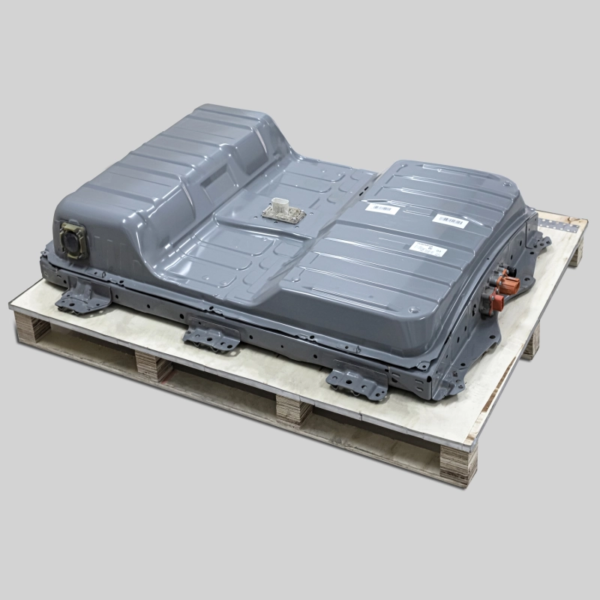
This trend involves replacing the original degraded or low-capacity pack with a high-capacity aftermarket module. This is not a shady “Frankenstein” repair; it is a precise engineering solution that adheres to OEM standards while offering superior performance.
Why is this the preferred choice?
- Local Expertise, Global Standards: European workshops are increasingly partnering with specialized manufacturers to source high-quality cells. This “local swap” model means owners don’t have to ship their vans overseas or wait months for parts. A local garage can source the battery and perform the installation.
- Doubling the Capacity: The magic number for most European trades is 50kWh to 62kWh. By upgrading to these capacities, owners effectively double their range. A van that previously struggled to reach 100km can now confidently achieve 250km to 300km.
- Plug-and-Play Compatibility: Modern replacement solutions are designed to be “drop-in” replacements. They utilize the van’s original Battery Management System (BMS) protocols and physical dimensions, meaning no cutting, no welding, and no modifications to the vehicle’s software (in most cases).
The Economics: Saving 50% While Gaining 100% Performance
One of the most compelling reasons for the surge in local swaps is the staggering return on investment (ROI).
Consider the hard facts faced by a European e-NV200 owner today:
| Option | Estimated Cost (EUR) | Resulting Range | Longevity |
|---|---|---|---|
| OEM Replacement | €12,000 – €16,000 | Same as New (200km) | Standard Warranty |
| Used/Refurbished | €3,000 – €5,000 | Unreliable (Degrades Fast) | High Risk of Swelling |
| High-Capacity Local Swap | €4,000 – €6,000 | 300km+ (Upgraded) | 2 Years / 80,000km |
The Verdict: By choosing a high-capacity local swap, owners save over 50% compared to the OEM price. More importantly, they aren’t just buying back the original performance; they are buying upgraded performance. Instead of settling for a tired 40kWh pack, they can install a brand-new 62kWh unit, effectively turning their aging e-NV200 into a modern EV rivaling newer models.
The Technology Behind the Swap: CATL Cells & Safety
A common concern among owners is safety. “Is a swapped battery safe for my family or my business?”
The answer lies in the cell chemistry. The best local swap solutions utilize brand-new CATL (Contemporary Amperex Technology Co. Limited) prismatic cells. CATL is the world’s largest battery manufacturer and a Tier-1 supplier to companies like Tesla, BMW, and Volkswagen.
Why CATL Cells Matter:
- Thermal Stability: CATL cells have a proven track record in extreme European climates, resisting thermal runaway better than older LMO (Lithium Manganese Oxide) cells found in early e-NV200s.
- Long Cycle Life: These cells are rated for thousands of charge cycles, ensuring the battery lasts for hundreds of thousands of kilometers.
- Zero Defect Policy: Reputable suppliers use automated production lines with 100% testing, ensuring there are no micro-shorts or defects that lead to swelling.
How to Execute a Successful Local Swap
If you are convinced that a high-capacity swap is the right move for your e-NV200, here is a step-by-step guide to ensure a smooth transition:
- Verify Compatibility: Not all aftermarket batteries are created equal. You must ensure the battery dimensions fit the e-NV200 chassis and that the voltage matches the motor controller (typically 360V for the e-NV200).
- Find a Reputable Source: Look for manufacturers that offer a minimum 2-year warranty and provide pre-sales VIN (Vehicle Identification Number) compatibility checks. This ensures the BMS (Battery Management System) speaks the same language as your van.
- Choose Your Capacity: For European standards, 50kWh is the sweet spot for daily commuting, while 62kWh is ideal for tradespeople or those who frequently travel outside the city.
- Installation: While the process is plug-and-play, it is highly recommended to use a certified electrician or garage. The installation typically takes 2-4 hours, involving disconnecting the old pack, removing it, and bolting in the new one with the original connectors.
The Future of EV Ownership in Europe
The trend of high-capacity local swaps represents a democratization of electric vehicle technology. It puts the power back in the hands of the owner, allowing them to bypass inflated dealership prices and extend the life of their vehicle sustainably.
By upgrading to a new 62kWh pack, you are not just replacing a battery; you are future-proofing your vehicle. You are ensuring it meets the latest safety standards and has the range necessary to handle the demands of 2026 and beyond.
Don’t let range anxiety dictate your business hours. Embrace the technology that European leaders are already using to maximize their uptime and minimize their costs.
Frequently Asked Questions (FAQ)
1. Is a battery swap legal in Europe?
Yes, battery swaps for repair and maintenance are legal across Europe. As long as the replacement battery meets the technical specifications (voltage, dimensions) of the original vehicle type approval, it is compliant. Reputable manufacturers design their packs to be “drop-in” replacements that do not alter the vehicle’s core electronics, ensuring you remain street legal.
2. How much range can I expect from a 62kWh e-NV200?
With a 62kWh high-capacity battery, you can expect a real-world range of approximately 280km to 340km under mixed driving conditions. In summer, this can exceed 350km, while in winter, you should still reliably achieve 220km to 250km, which is sufficient for most commercial and personal use cases in Europe.
3. What is the warranty on these swapped batteries?
Leading manufacturers offer a comprehensive warranty of 2 years or 80,000km, whichever comes first. This covers defects in materials and workmanship, including protection against cell swelling and capacity degradation below 70% of the rated capacity.
4. Can I install this myself?
While the process is technically “plug-and-play,” we strongly recommend installation by a certified EV technician. Handling high-voltage lithium-ion batteries requires specific safety gear (insulated gloves, tools) and knowledge of discharge procedures. A professional installation ensures safety and validates the warranty.
5. How long does the installation take?
A professional installation typically takes between 2 to 4 hours. This includes disconnecting the vehicle power, removing the old battery pack, installing the new pack, connecting the high-voltage and signal cables, and performing a final system diagnostic check to ensure the BMS communicates correctly with the dashboard.
Ready to upgrade your e-NV200 for the European market? Get a Free Custom Quote for your Nissan e-NV200 Battery today and see how much you can save.