How to Prep Your Upgraded Leaf for a Long Summer Road Trip
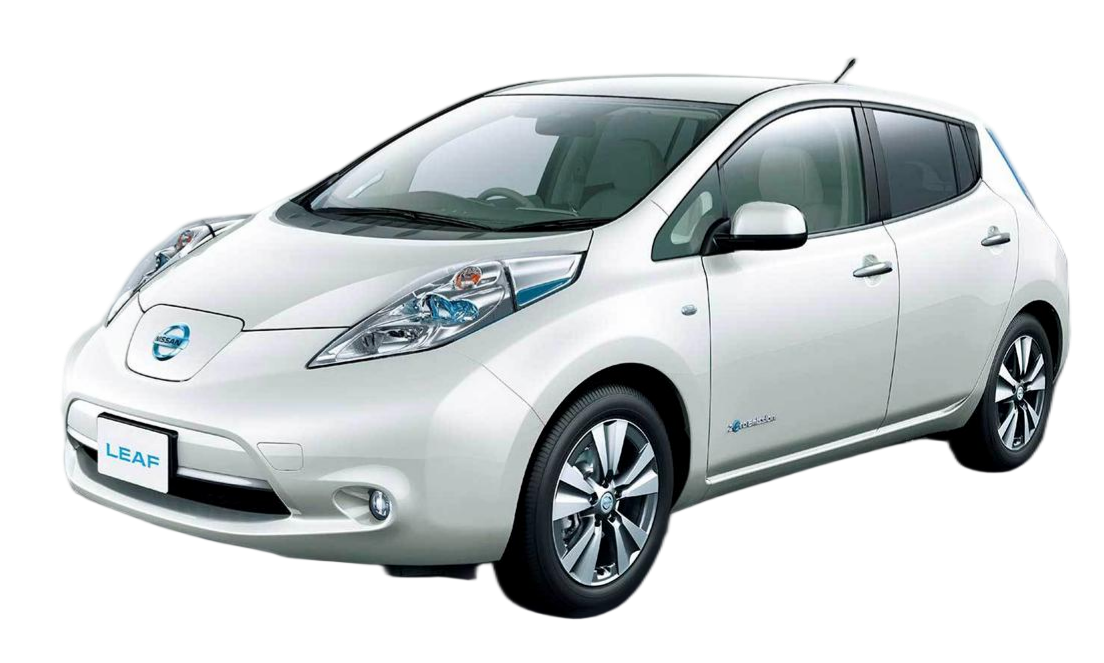
Summer is the season for open windows, warm breezes, and long drives. For Nissan Leaf owners, especially those who have upgraded to a high-performance battery like the CNS BATTERY 62kWh or 68kWh pack, this is the perfect time to hit the road. However, extreme heat can be taxing on any EV’s systems. To ensure your road trip is memorable for the right reasons—smooth driving and stunning views—here is your expert guide to summer preparation.
1. Why Summer is Different for Upgraded EVs
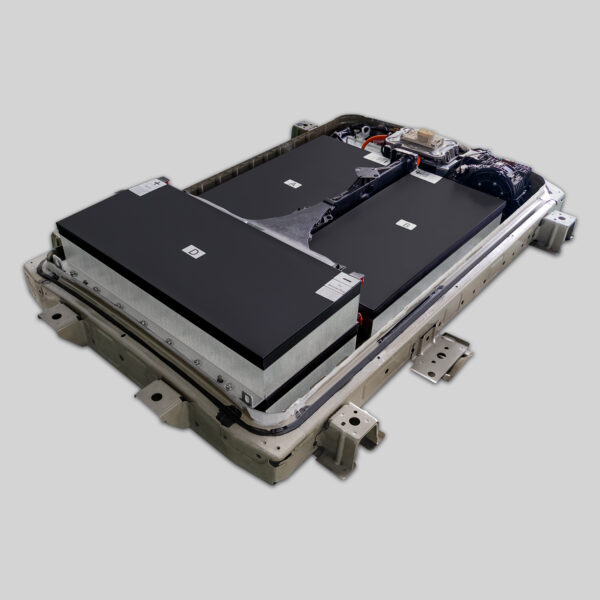
Before we dive into the checklist, it is crucial to understand the unique advantage of a premium upgrade. Unlike older, degraded Leaf batteries that suffer from “range anxiety” in the heat, a brand-new CNS BATTERY pack, built with fresh CATL cells, is engineered for resilience.
While standard batteries might lose 20-30% of their range in scorching temperatures, our packs are designed to maintain stability. However, “designed for resilience” doesn’t mean “immune to heat.” Proper preparation ensures you get the absolute maximum out of your investment.
2. The Pre-Trip Checklist: 5 Critical Steps
A. Check Your Thermal Management System (Cooling)
The most critical component in summer is your battery’s cooling system.
- Inspect the Coolant: Ensure the coolant levels are topped up and the fluid is not discolored. If you have upgraded your battery with CNS, our packs come with optimized thermal management, but the vehicle’s pump and radiator still need to be in top shape.
- Clean the Radiator: Bugs, dust, and debris clog the radiator. A blocked radiator forces the system to work harder, draining your range. Give it a thorough clean before you leave.
B. Verify the 12V Auxiliary Battery
This is the silent killer of road trips. If your 12V battery fails, your car won’t start, regardless of how full your main EV battery is.
- Test the Voltage: It should read between 12.6V and 12.8V when the car is off.
- Check for Corrosion: Clean any white/green corrosion from the terminals. A loose or corroded terminal can disconnect during bumpy road conditions.
C. Optimize Your Tires for Heat and Range
Tires behave very differently in summer heat compared to spring or fall.
- Pressure is Key: Check your tire pressure when the tires are cold (early morning). Over-inflated tires reduce grip, while under-inflated tires increase rolling resistance, which kills your range. For long highway trips, consider inflating to the “highway” specification (usually 0.2-0.3 bar higher than the standard door-jamb sticker).
- Tread Depth: Ensure you have adequate tread for wet summer storms. Hydroplaning is dangerous and stressful.
D. Software and BMS Check
If you have installed a CNS BATTERY, you have access to advanced Battery Management System (BMS) features.
- Update Firmware: Before departure, ensure your BMS firmware is up to date. We frequently release updates for thermal efficiency.
- Verify Cell Balance: Use a diagnostic tool (or contact our support team) to check that all cells are balanced. A balanced pack charges faster and discharges more evenly in the heat.
E. Plan Your Charging Strategy
While your upgraded battery might give you 400km+ of range, planning is essential.
- Avoid Peak Sun Charging: If possible, charge in shaded areas or during the cooler parts of the day (early morning or evening). Charging a hot battery generates more heat, which can slow down the charging speed.
- Use Navigation Tools: Input your route into the car’s nav or a third-party app like A Better Routeplanner. Set your consumption rate to 15-18 kWh/100km for highway driving in summer (lower than winter, thanks to no heater use, but higher due to AC).
3. Packing for the Journey
What you pack can affect your range.
- Minimize Roof Loads: A roof box or bike rack can increase drag by up to 30%. If you must use one, pack it low and tight.
- Cooling Gear: Bring a sunshade for the windshield. Parking in direct sunlight can raise the cabin temperature to over 60°C (140°F), forcing the AC to work overtime when you start the car, draining the battery before you even move.
4. Driving Tips for Maximum Summer Efficiency
Once you are on the road, your driving style dictates your range.
- Use Eco Mode Wisely: On flat terrain, Eco Mode is great. However, if you are climbing hills, switch it off. Straining the motor to maintain speed in Eco Mode can actually waste energy.
- Cabin Pre-Conditioning: If your Leaf supports it (or if you have a timer on your home charger), cool the cabin while the car is still plugged in. This preserves your driving range.
- Drafting: On the highway, maintaining a steady pace behind a larger vehicle (truck) can improve your range by reducing wind resistance. Just remember to keep a safe distance!
5. Why Choose CNS for Your Upgrade
At CNS BATTERY, we don’t just sell battery packs; we engineer solutions for real-world conditions. Whether you drive a Nissan Leaf ZE0, AZE0, or ZE1, our packs are built to OEM standards but with superior longevity.
- Unbeatable Warranty: We back our confidence with a 2-year / 80,000 km warranty, far exceeding industry standards.
- Expert Support: Our team provides video call installation guidance and lifetime technical support.
If you are planning a summer trip and want the peace of mind that comes with a reliable, long-range battery, consider upgrading with us.
Ready to upgrade your Nissan Leaf for the ultimate summer road trip? Get a Free Custom Quote for Your Vehicle
Frequently Asked Questions (FAQ)
Q1: How does heat affect an upgraded Nissan Leaf battery?
Heat accelerates chemical reactions inside the battery. While it can slightly increase performance temporarily, prolonged exposure degrades the electrolyte. However, a CNS BATTERY uses premium CATL cells and an advanced BMS to manage heat, preventing the “swelling” and “capacity drop” common in cheaper refurbished packs.
Q2: Can I install a new battery myself before the trip?
Yes, many of our customers do. We provide detailed step-by-step video tutorials and PDF manuals. If you are mechanically inclined (or have a friend who is), the installation typically takes 1-2 hours. For complex models or if you are unsure, we recommend professional installation to avoid voiding the warranty.
Q3: What is the difference between a refurbished battery and a new CNS pack for summer driving?
A refurbished battery (made from old, salvaged cells) often has weak thermal management and imbalanced cells. In summer, this leads to overheating, reduced range, and potential failure. A CNS BATTERY uses brand-new cells, ensuring stable performance even in 40°C+ weather.
Q4: How long does shipping take for international customers?
We ship globally via DDP (Delivered Duty Paid). Standard sea shipping takes 4-8 weeks, while expedited services are available for urgent needs. We handle all customs and compliance for lithium batteries.
Q5: What payment methods do you accept?
We offer a variety of secure payment options. Please contact our sales team to confirm the best method for your region when signing the contract.