🛠️ Revive Your Ride: A Step-by-Step Guide to Diagnosing Dead Cells in a 24kWh Nissan Leaf
Is your Nissan Leaf struggling to hold a charge? Does the dashboard show “Limp Mode” or a flashing red battery light? If you own an early-model Nissan Leaf (typically 2011-2015) with the 24kWh battery pack, you might be facing the dreaded “Dead Cell” syndrome.
As a battery technology specialist, I understand the panic that sets in when your car’s range drops from 75 miles to barely enough to get to the grocery store. But before you consider scrapping the car or paying a fortune for a new OEM replacement, you need to know the truth: diagnosing the problem is often simpler than you think, and the solution might be more affordable than you hoped.
This guide will walk you through using a multimeter to pinpoint exactly which cells in your 24kWh pack have failed. We’ll also discuss your options for getting back on the road reliably.
🔋 Understanding the 24kWh Leaf Battery Structure
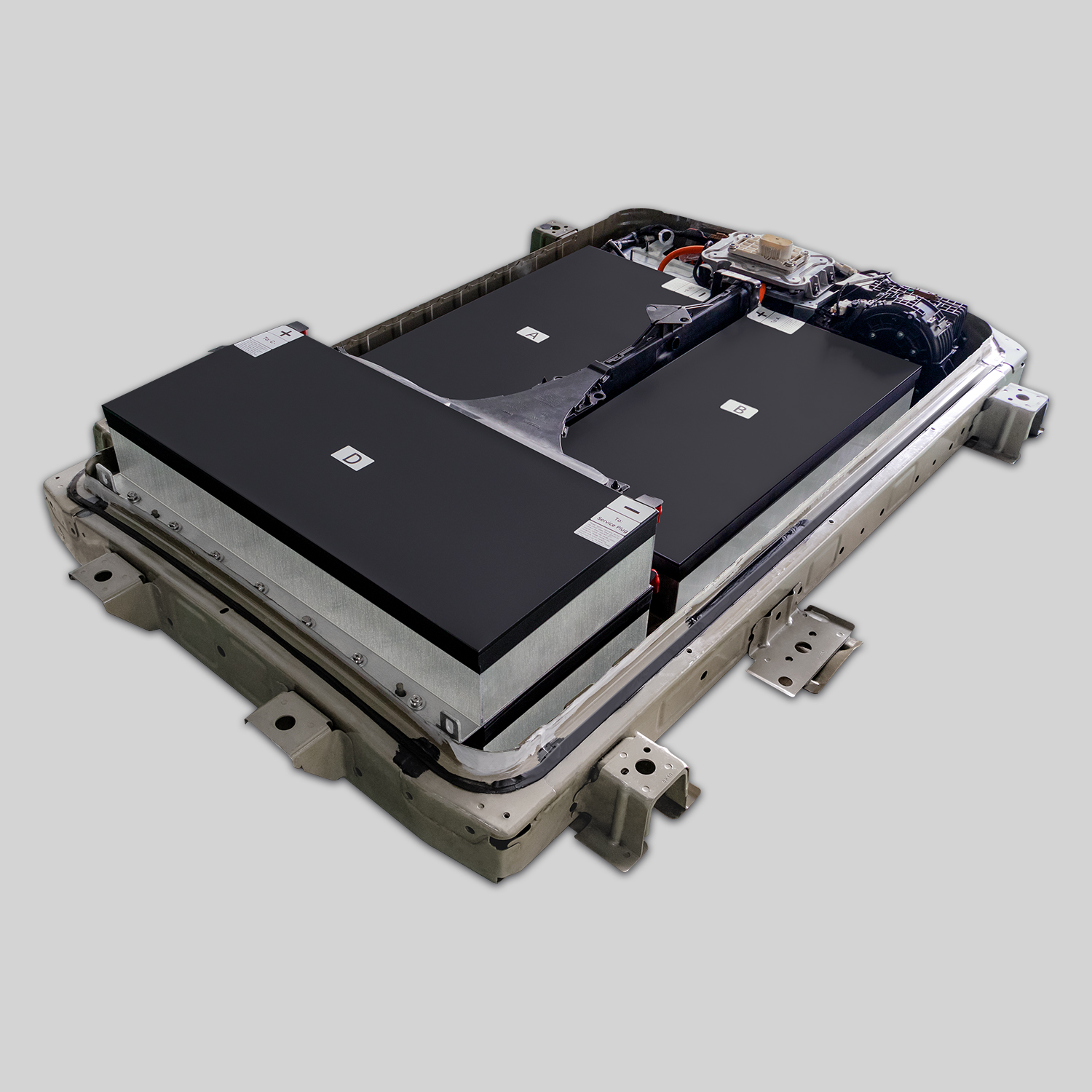
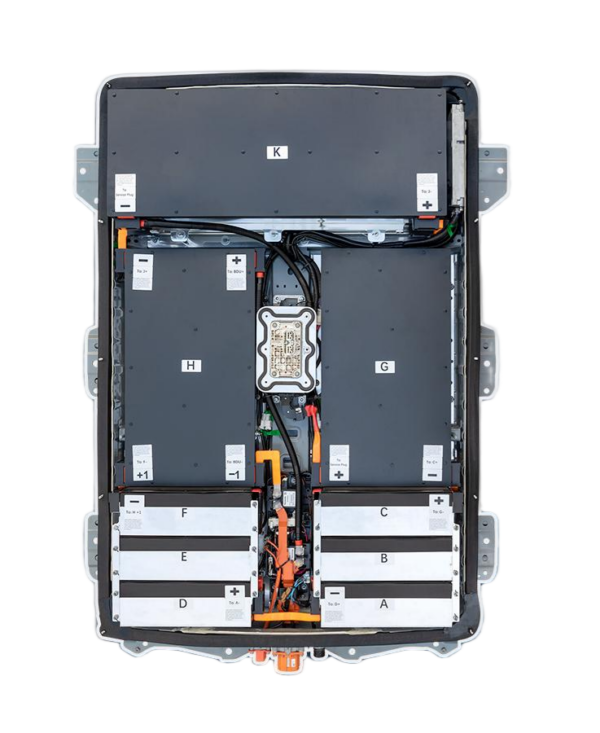
Before we grab the tools, let’s understand what we’re dealing with. The 24kWh battery pack in your Leaf is not a single monolithic block. It is composed of 48 individual battery modules wired together in a series.
- Configuration: 48S (48 modules in Series).
- Voltage: Nominal 360V.
- The “String of Lights” Effect: Just like an old string of Christmas lights, if one bulb (or in this case, one module) goes out, the entire circuit breaks. This is why a single dead module can kill your car’s power.
When Nissan engineers designed this pack, they did not include a sophisticated Battery Management System (BMS) that can bypass a dead cell. Instead, the BMS monitors the voltage of the entire string. If the voltage drops below a critical threshold (usually because one module has hit 0V), the car shuts down to protect itself.
🛡️ Safety First: Preparing for the Diagnosis
⚠️ Warning: You are working with high-voltage DC electricity. While the 24kWh pack is generally considered lower risk than modern high-voltage EVs, safety is paramount.
- Disconnect the Car: Ensure the car is off and the charger is unplugged.
- Disconnect the 12V Battery: Before opening the service plug or the battery pack, disconnect the negative terminal of the 12V auxiliary battery. This cuts power to the BMS and relays.
- Gear Shift: Shift the car into Neutral. Without power to the BMS, the electronic parking brake might not release, so you need to be able to push the car if necessary.
- PPE: Wear safety glasses and insulated gloves.
🧪 Step-by-Step: Using a Multimeter to Find the Dead Cell
Finding the dead cell is a process of elimination. You need to measure the voltage across each of the 48 modules.
What You’ll Need
- A Digital Multimeter (Capable of measuring DC Voltage up to 200V).
- Long test leads (or probes) to reach across the modules.
- A notebook to record voltages.
The Procedure
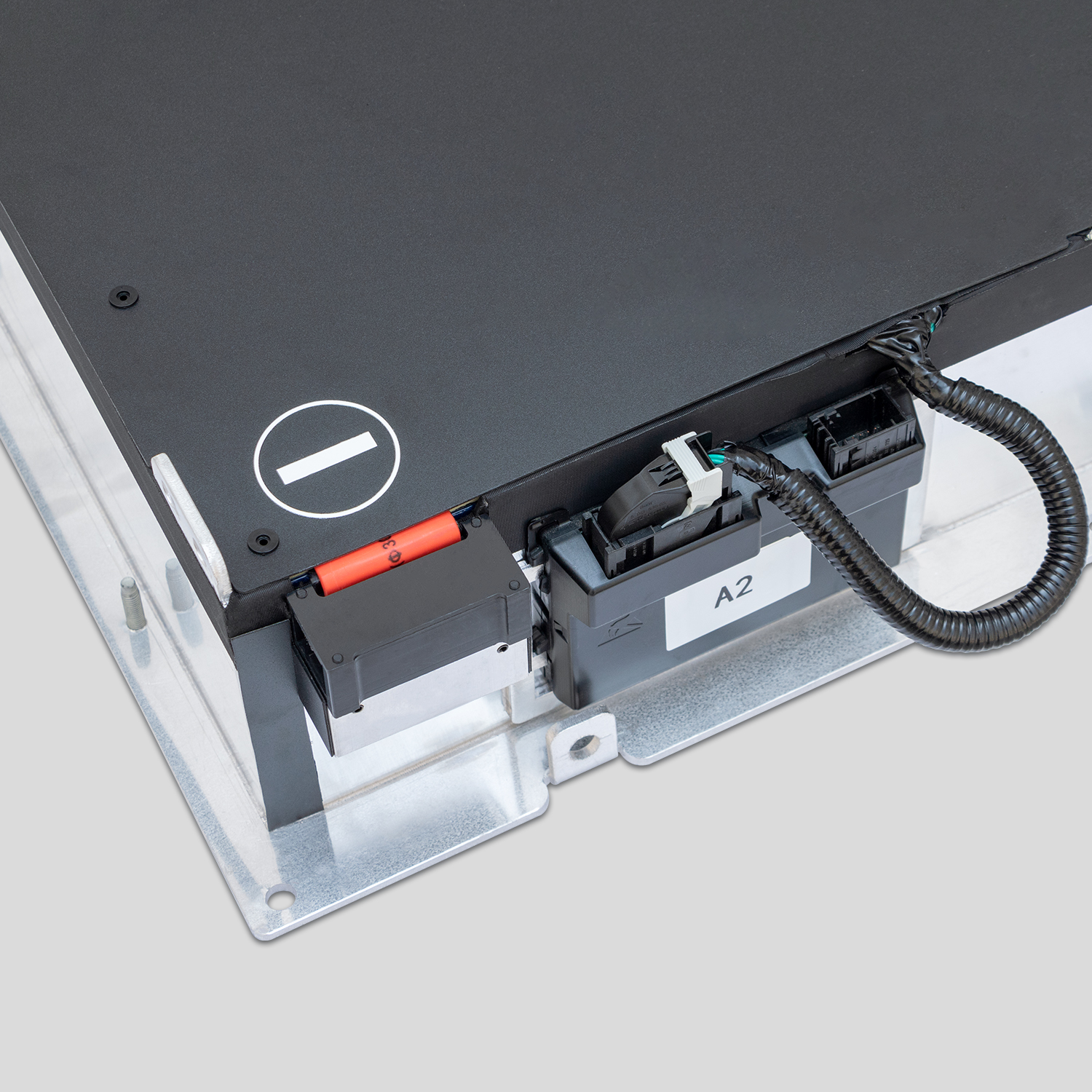
- Access the Modules: You will need to remove the plastic covers and potentially the top casing of the battery pack to access the modules. They are usually arranged in rows.
- Set the Multimeter: Turn the dial to DC Voltage (V–) and set the range to 200V or higher.
- Establish a Baseline: A healthy 24kWh Leaf module should read approximately 3.8V to 4.0V when fully charged. A completely flat module might read around 3.3V. A Dead Cell will read 0V or 0.1V.
- The “Leapfrog” Method:
- Place the Red (Positive) probe on the very first positive terminal of Module 1.
- Place the Black (Negative) probe on the negative terminal of Module 1 (which is also the positive terminal of Module 2).
- Note the reading.
- Move the Black probe to the next terminal (positive of Module 3), keeping the Red probe where it is. Note the reading.
- Continue this process, “leapfrogging” the probes across the terminals.
Expert Insight: You don’t need to test every single module individually if you use the “Half-Split” method. Start in the middle of the pack. If you find 0V in the middle, the dead cell is likely in that half. If you find normal voltage, move to the other half. This cuts your testing time in half.
- Identifying the Culprit: When you test across a specific module and the multimeter reads 0.00V, you have found the dead cell.
🛠️ What Happens After Diagnosis?
Finding a 0V module confirms the diagnosis. Now, you have a few paths forward:
- Replace the Single Module (Risky): You can theoretically buy a single replacement module. However, mixing a brand new module with 12-year-old modules is dangerous. The new cell will have a higher capacity and different internal resistance, causing the old cells to degrade even faster or potentially overheat.
- Replace the Entire 24kWh Pack (Hard to Find): Finding a used 24kWh pack that doesn’t have the same dead cell issue is becoming increasingly difficult as these cars age.
- The Smart Upgrade: Swap to a 40kWh or 62kWh Pack: This is the most popular and cost-effective solution in 2026.
Why Upgrade to a 40kWh or 62kWh Battery?
If you are opening up the car for surgery, it is often only a few hundred dollars more (and a few hours more of labor) to upgrade to a newer generation Leaf battery. Here is why our customers at CNS Battery choose this path:
- Better Technology: The 40kWh and 62kWh packs use newer lithium-ion chemistry with a much more robust BMS.
- No “Dead Cell” Fear: These newer packs can often tolerate a single cell failure without shutting down the entire car.
- Double the Range: Why fix a 75-mile car when you can have a 150-mile (40kWh) or 200+ mile (62kWh) car?
- Cost Efficiency: A remanufactured 24kWh pack might cost $2,000, while a brand-new compatible 40kWh pack from a specialist might only cost $3,500 — giving you 60% more range for 75% more cost.
CNS Battery Solution: We specialize in OEM-compatible battery packs for Nissan and BMW. Our packs are built using brand-new CATL cells, ensuring you aren’t buying someone else’s old problems. We offer the 40kWh and 62kWh solutions specifically designed to drop into older Leaf chassis, eliminating the anxiety of dead cells forever.
📝 Summary Checklist
| Step | Action | Expected Result |
|---|---|---|
| 1 | Disconnect 12V Battery | Ensure no power feedback. |
| 2 | Set Multimeter | DC Voltage (200V range). |
| 3 | Test Modules | Healthy: ~3.8V. Dead: 0.0V. |
| 4 | Decision Time | Repair 24kWh or Upgrade to 40/62kWh? |
❓ Frequently Asked Questions (FAQ)
Q1: Can a dead cell be “revived” with a jump start or a special charger?
A: Technically, sometimes. If the cell is only deeply discharged (reading 0.5V – 2.0V), a specialized bench charger or a “jump” from another battery might bring it back. However, if it reads 0.00V, it has likely gone into internal short-circuit protection and is permanently damaged. Even if you revive it, the cell’s capacity will be severely degraded, and it will likely fail again in weeks.
Q2: How much does it cost to fix a 24kWh Leaf battery?
A: The cost varies significantly by region. Labor to open the pack and diagnose can range from $500-$1000. A single replacement module might cost $100-$200, but as mentioned, this is not recommended. A full pack replacement or upgrade typically starts around $2,000 for used/refurbished 24kWh units, or $3,500+ for new 40kWh solutions.
Q3: Is it worth fixing a 24kWh Leaf?
A: It depends on the car’s condition. If the body and motor are in good shape, yes. The 24kWh Leaf is a simple, robust car. However, “fixing” it usually means upgrading the battery technology entirely. Don’t waste money on a patch job; invest in a proper upgrade that will last 10 years.
Q4: Are CNS Battery packs compatible with my old Leaf?
A: Absolutely. We design our Nissan Leaf 40kWh and 62kWh battery packs to be OEM compatible. This means they use the same connectors, mounting points, and communication protocols as the original factory batteries. You won’t need to modify your car’s software or hardware. We handle the engineering so you can enjoy a plug-and-play experience.
Don’t let a dead cell kill your electric dream. Whether you decide to repair the 24kWh pack or upgrade to a modern high-capacity solution, knowing the root cause is the first step.
Ready for a reliable solution? Get a free, no-obligation quote for a brand-new, high-performance battery upgrade tailored to your Nissan Leaf.