Optimizing Tire Pressure for Your Upgraded 62kWh EV Battery
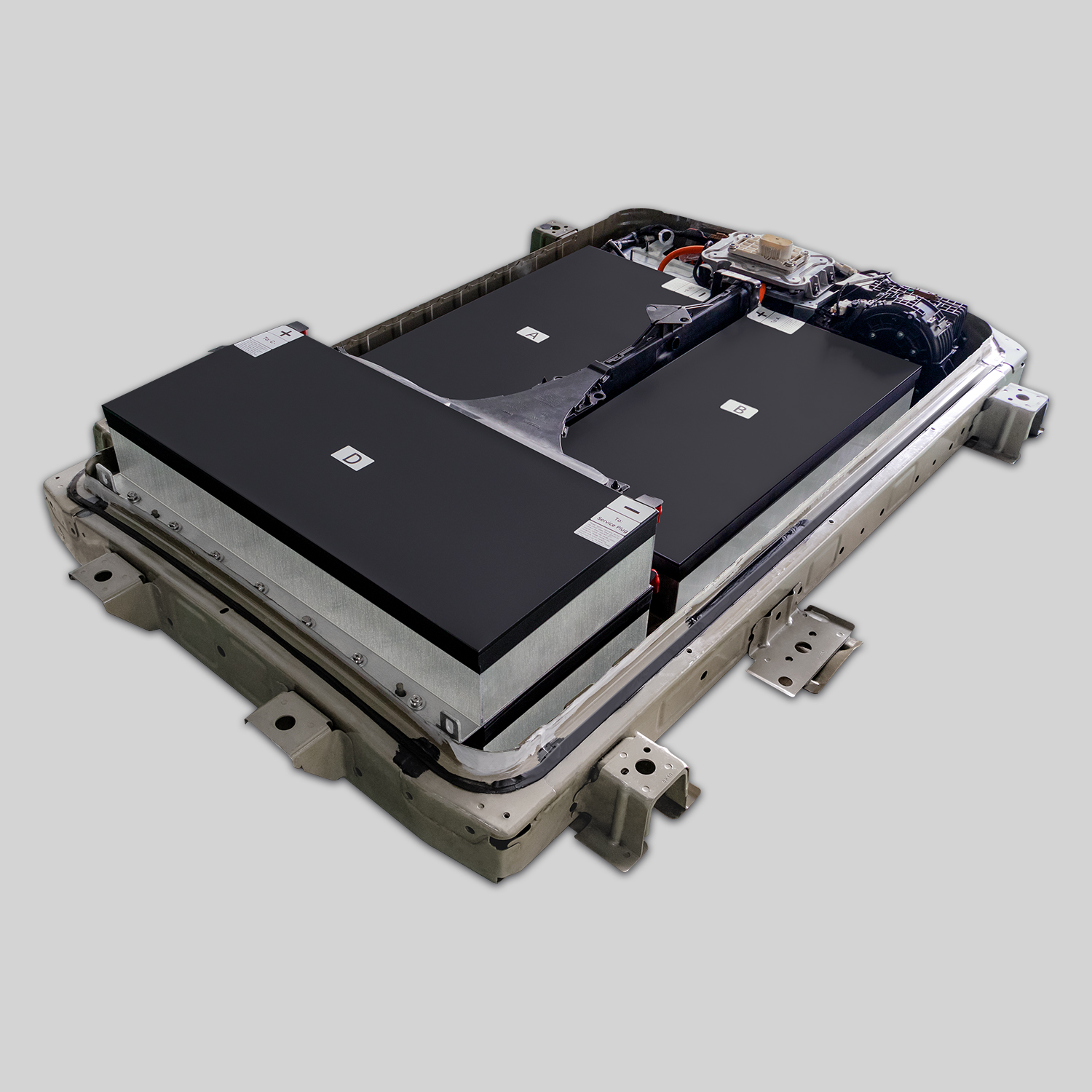
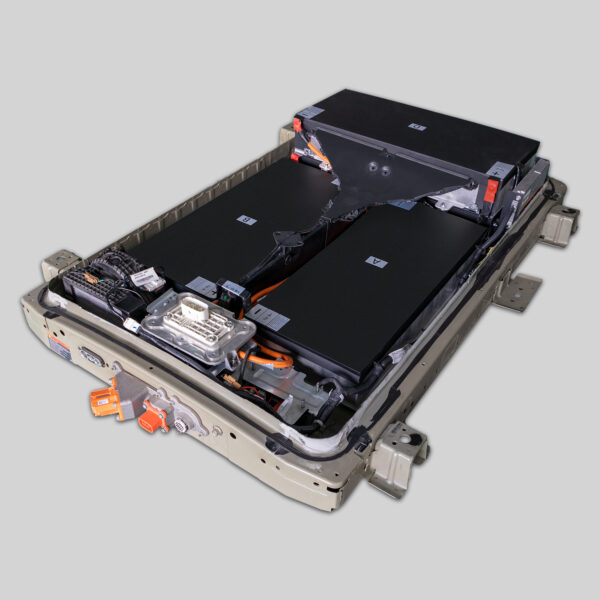
Upgrading your electric vehicle, such as a Nissan Leaf or BMW i3, with a new high-capacity battery pack—specifically a 62kWh lithium battery—is one of the best decisions you can make for extending your driving range and reviving your car’s performance. However, adding a new battery pack, especially one with the robust build quality of a CNS BATTERY, introduces a subtle but critical change: weight distribution and tire load dynamics.
If you’ve recently installed or are planning to install a 62kWh battery module, simply reverting to the factory tire pressure settings might not be optimal. This guide will walk you through the science of adjusting tire pressure to match the specific characteristics of your new OEM-compatible battery, ensuring safety, longevity, and maximum efficiency.
Understanding the Weight Difference
Before we dive into the numbers, it’s essential to understand why this adjustment is necessary.
Most EV battery replacements, particularly those utilizing premium brand-new CATL cells like the ones found in CNS BATTERY packs, are engineered to meet or exceed original factory standards. While the physical dimensions might be identical to your old pack, the internal composition and state of health (SOH) can differ.
A fresh 62kWh lithium battery pack is typically heavier than a degraded or older unit due to the density of new cells and robust casing. This extra weight concentrates on the axle where the battery is mounted (usually the rear or center, depending on the model). If your tires aren’t inflated to support this specific load, you risk:
- Reduced Range: Under-inflated tires create more rolling resistance.
- Uneven Tire Wear: The contact patch changes, wearing out the shoulders of the tire faster.
- Handling Issues: The car may feel “spongy” or less responsive in corners.
Expert Tip: Always refer to the tire load index and the vehicle’s placard, but be prepared to make micro-adjustments based on your specific driving load and the battery’s verified weight.
The Standard vs. The Reality
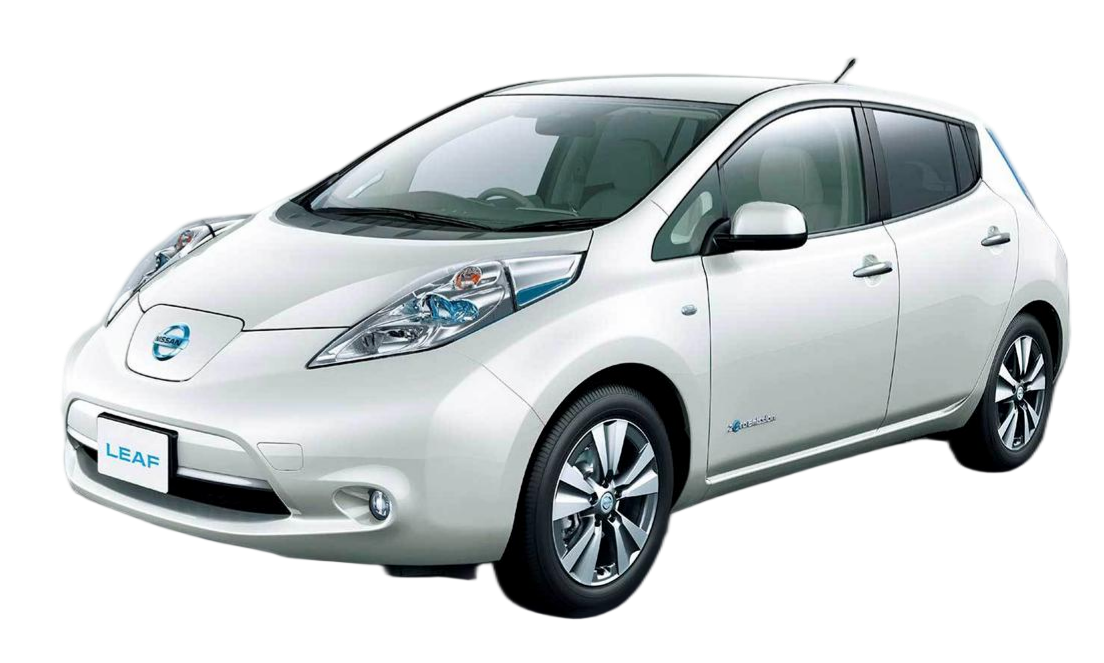
Most drivers rely on the sticker inside the driver’s door jamb. For a Nissan Leaf, this usually recommends 37 PSI (2.5 bar) for normal driving.
However, this figure is calculated for the original vehicle specification. When you install a high-performance replacement like a CNS 62kWh battery, which is built to last and uses top-tier materials, the dynamics shift slightly.
Here is a general guideline comparison for adjusting pressure after an upgrade:
| Scenario | Standard Tire Pressure (Front/Rear) | Notes |
|---|---|---|
| Factory Settings | 37 PSI / 37 PSI | Suitable for stock, degraded batteries. |
| New 62kWh Installation | 39 PSI / 41 PSI | Recommended for new, heavy-duty packs to counter rolling resistance. |
| Highway Driving | 42 PSI / 42 PSI | Optimal for long-distance efficiency (do not exceed max sidewall limit). |
Why go higher?
Increasing the pressure by 2-4 PSI on the axle carrying the new 62kWh lithium battery helps the tire maintain its ideal shape under the increased load. This reduces heat buildup and keeps the rolling resistance low, which directly translates to getting the most out of your new battery’s capacity.
Step-by-Step: How to Adjust for Your New Pack
Adjusting your tire pressure isn’t just about grabbing a pump; it requires precision, especially when you’ve invested in a premium solution.
1. Check the “Cold” Status
Always check pressure when the car has been parked for at least 3 hours. Heat expands air, so checking “hot” tires will give you a false reading.
2. Verify the Load
If you are driving solo or with light cargo, the standard adjustment (+2 PSI on the rear) is sufficient. If you are carrying heavy loads (e.g., passengers and luggage) in addition to the new battery weight, you may need to go up to the maximum pressure listed on the tire sidewall (usually around 44 PSI for EVs), but never exceed this limit.
3. The “Thumb Test” is Dead, Use a Gauge
Don’t guess. Use a digital tire gauge. For a Nissan Leaf ZE1 or AZE0 with a new 62kWh battery pack, we recommend starting at 39 PSI in the front and 41 PSI in the rear.
4. Monitor Tread Wear
After driving 500 miles with the new pressure, inspect your tread. If the center is wearing faster than the edges, your pressure is too high. If the edges are wearing faster, it’s too low.
Why Your Battery Choice Matters for Handling
It is crucial to distinguish between different types of replacement batteries because their construction affects weight and, consequently, your tire dynamics.
Many low-cost alternatives on the market use refurbished or repurposed cells. These packs are often lighter (because the cells are degraded) but are prone to swelling and inconsistent performance. They do not require the same pressure adjustment because they don’t carry the same structural integrity.
In contrast, a CNS BATTERY is built using brand-new, original battery cells. This means:
- Consistent Weight: You know exactly how much load the tires are carrying.
- Durability: The pack won’t swell or degrade quickly, meaning your tire pressure settings remain stable for years.
- Safety: Proper inflation prevents overheating, which is vital for maintaining the health of your expensive new 62kWh lithium battery.
Maintaining Efficiency Post-Installation
Once you have your tires dialed in, your job isn’t over. Maintaining the correct pressure is a continuous process, especially important for maximizing the 2-year/80,000 km warranty offered with premium packs.
Seasonal Adjustments:
Tire pressure drops about 1 PSI for every 10°F (5.5°C) drop in temperature. As we move through seasons in places like Zhengzhou or similar climates, make it a habit to check your tires monthly.
The Payoff:
By keeping your tires properly inflated for your new 62kWh battery module, you ensure that every kilowatt-hour stored in that robust casing is converted into forward motion, not wasted heat. You are not just buying a battery; you are buying a range extension system. Treat it with the precision it deserves.
Frequently Asked Questions (FAQ)
Q1: Will installing a 62kWh battery affect my car’s suspension?
Generally, no. Modern EV suspensions are designed to handle the weight of full batteries. However, the tires are the only point of contact with the road, so they bear the brunt of the load change. Adjusting the pressure, as outlined above, mitigates any strain on the suspension by ensuring optimal tire shape.
Q2: Can I use the same tire pressure settings for a refurbished battery?
No. Refurbished or used battery packs often have inconsistent weights and lower structural integrity. They are more likely to have “soft spots” or uneven weight distribution. It is safer to stick strictly to the factory manual settings (usually 37 PSI) for these types of packs, as they are less predictable.
Q3: How do I know if my new battery is OEM compatible?
An OEM-compatible battery, like those from CNS, is engineered to fit the exact dimensions and electrical specifications of your vehicle (e.g., Nissan Leaf ZE0, BMW i3). If the battery fits perfectly without modifications to the chassis or wiring, it is OEM compatible. However, even OEM-compatible packs made with new materials might be slightly heavier than the factory original, warranting the pressure check.
Q4: What should I do if I experience vibration after the upgrade?
First, check your tire pressure. If the pressure is correct, ensure the battery is securely fastened. If the vibration persists, it might be related to wheel alignment, which can sometimes shift slightly during the battery removal and installation process.
Q5: Where can I get a reliable 62kWh battery for my Nissan or BMW?
For those seeking a 62kWh lithium battery pack that offers the durability and weight consistency required for proper tire dynamics, CNS BATTERY provides high-performance solutions. We specialize in Nissan and BMW EV batteries, offering brand-new CATL cells with a 24-month/80,000 km warranty.
Ready to upgrade your vehicle with a premium, long-range solution? Contact our technical experts now for customization and a free quote.