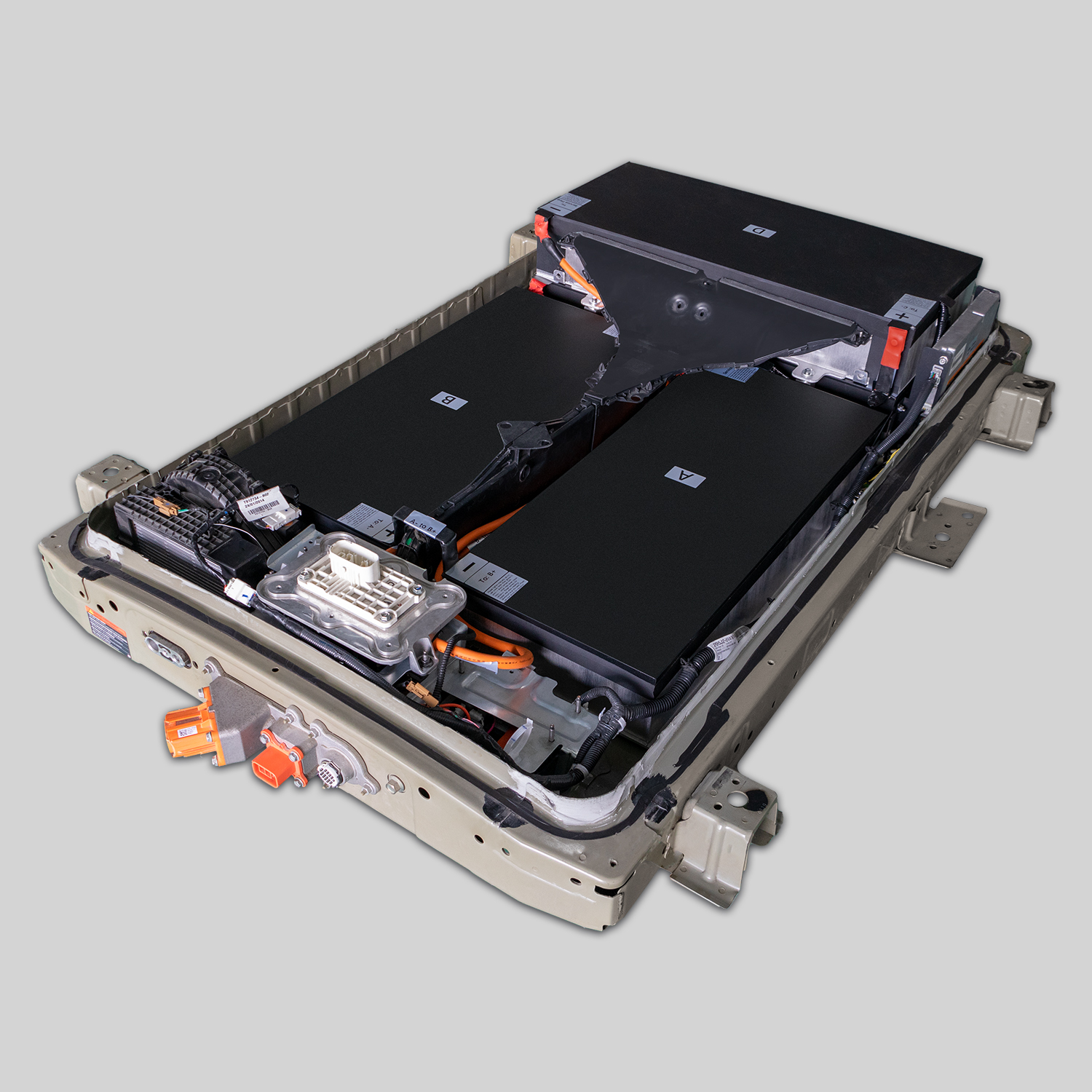
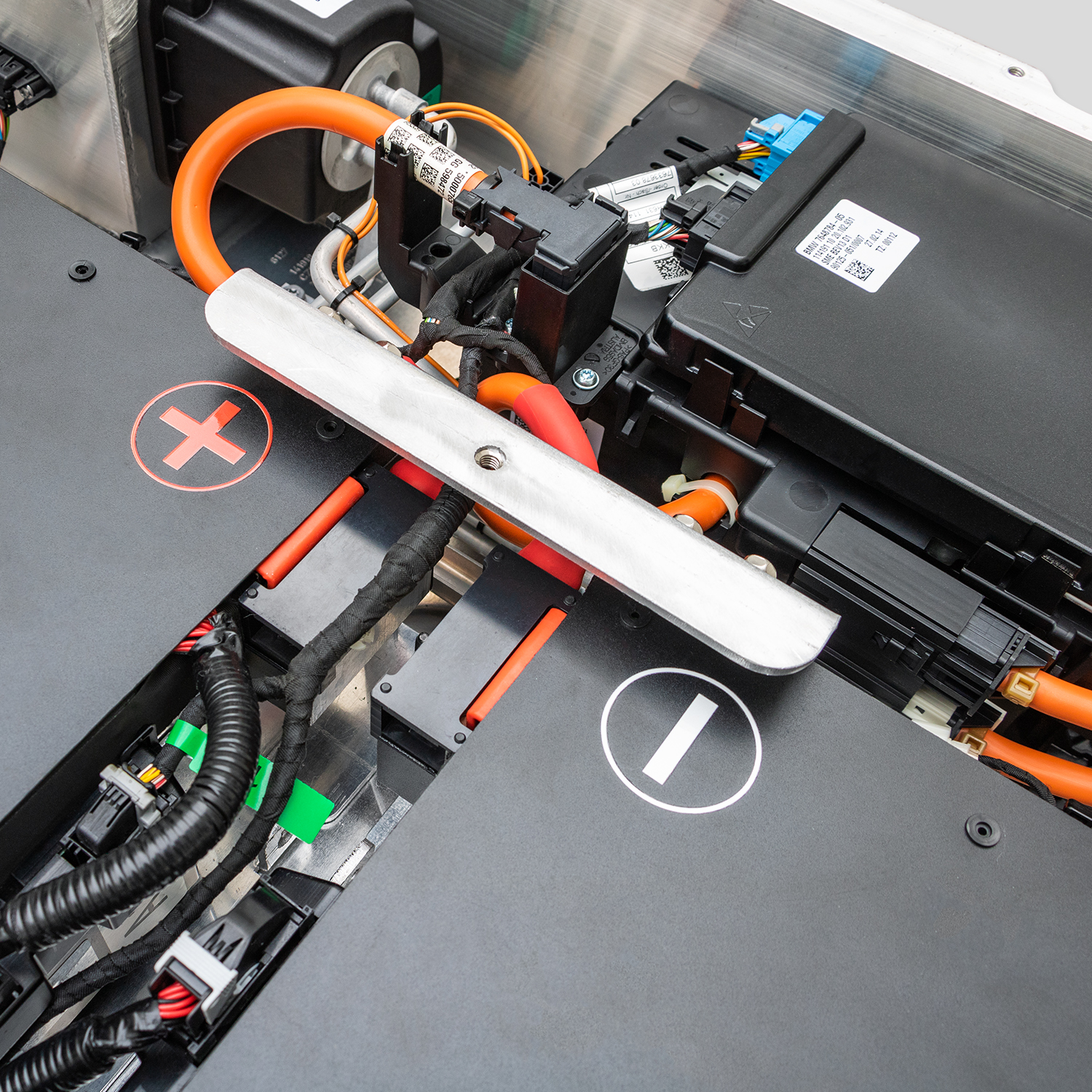
Here is the SEO-optimized article tailored for Nissan Leaf owners seeking to maximize their battery lifespan.
🍃 How to Maintain 100% SOH on Your New Aftermarket Leaf Battery
Congratulations! You’ve just upgraded your Nissan Leaf with a brand-new aftermarket battery pack. Whether you chose a 40kWh, 62kWh, or a custom module solution, this is a significant investment in your vehicle’s future.
But here is the reality: A brand-new battery doesn’t automatically guarantee a lifetime of 100% State of Health (SOH). Just like a new engine needs proper break-in and maintenance, your lithium-ion battery requires specific care during the first few charge cycles to establish its “chemical memory” and ensure maximum longevity.
As a leading manufacturer of OEM-compatible Nissan and BMW EV batteries, CNS BATTERY has analyzed thousands of data logs from our installed base. We have identified a critical “honeymoon phase” in the first 500 miles (approx. 800 km) of a battery’s life. How you treat your battery during this period directly impacts how long it retains that pristine “like-new” capacity.
Here is our expert, step-by-step guide to locking in 100% SOH on your new aftermarket Leaf battery.
1. The “Chemical Break-In” Period: Why It Matters
Many Leaf owners make the mistake of treating a new aftermarket battery exactly like the old one, charging it to 100% immediately and driving aggressively. However, lithium-ion cells—especially high-density NMC cells used in modern EVs—benefit from a gentle conditioning phase.
When a battery is manufactured, the internal electrolytes and electrodes need time to settle. Forcing a “full force” charge immediately can cause microscopic stress on the anode, leading to early Lithium plating. This is the primary cause of irreversible capacity loss.
Expert Tip: Think of it like breaking in a new pair of high-performance running shoes. You wouldn’t run a marathon on the first day; you would wear them for short walks first.
2. The First 500 Miles: The Golden Rules
To ensure your battery management system (BMS) accurately calibrates and the cells condition perfectly, follow these rules strictly for the first 500 miles:
- The 80% Rule: For the first 200 miles, do not charge beyond 80%. This allows the Battery Management System (BMS) to learn the cell voltages without the stress of high-voltage saturation.
- The 20% Floor: Avoid deep discharges. Try not to let the battery drop below 20% during this initial phase.
- Avoid DC Fast Charging (CHAdeMO): While our CNS batteries support fast charging, we recommend relying on Level 2 (AC) charging for the first 300 miles. Fast charging generates more internal heat, and heat is the enemy of a conditioning battery.
- Moderate Driving: Avoid launching the car from 0-60 mph repeatedly. Smooth acceleration helps the thermal management system regulate temperature evenly.
3. Calibration: Syncing the “Brain” with the “Body”
After you have completed the gentle break-in period, the next step is calibration. The Nissan Leaf’s dashboard gauge (SOH and GIDS bars) relies on the BMS to report accurate data. An uncalibrated BMS can report “12 bars” even if the physical cells aren’t perfectly balanced.
Follow this Calibration Sequence:
- Drive Until Empty: Drive the car until the range drops below 10 miles (or the battery hits 5-10%).
- Charge to 100% (The Anchor Charge): Plug the car into a Level 2 charger. Let it charge to 100% and keep it plugged in for at least 2 hours after it hits full. This “topping charge” allows the BMS to perform a balancing act across all the modules.
- Verify: After this cycle, your GIDS (State of Charge) bars should solidify, and the SOH meter should lock in at 100% (or 12 bars).
4. Long-Term Maintenance for Peak SOH
Once calibrated, maintaining 100% SOH is about consistency. Based on our decade of R&D, here are the habits of Leaf owners whose batteries still show 100% SOH after 5 years:
- The 20-80 Sweet Spot: For daily driving, keep your charge between 20% and 80%. Lithium-ion chemistry degrades fastest at the extreme edges (0% and 100%).
- Heat Management: Park in the shade when possible. If you live in a hot climate, ensure the battery cooling fans are operational. Our CNS batteries use premium CATL cells with superior thermal stability, but the environment still matters.
- Monthly “Exercise”: If the car sits for more than two weeks, discharge it to 50% and then recharge it to 80% to prevent sulfation.
5. Why Choose a CNS Battery for Your Leaf?
At CNS, we don’t just sell batteries; we engineer powertrains. When you choose a CNS BATTERY for your Nissan Leaf (ZE0, ZE1, or AZE0), you are getting more than just cells in a box.
- Premium Cell Chemistry: We utilize brand-new, A-grade cells from industry leaders like CATL. Unlike refurbished or recycled packs, our cells start with zero degradation.
- OEM-Level BMS: Our batteries feature intelligent Battery Management Systems that are specifically programmed for Nissan Leaf protocols, ensuring seamless integration and accurate SOH reporting.
- Unbeatable Warranty: We back our confidence with a 2-year / 80,000 km warranty, far exceeding standard industry offerings. We guarantee at least 70% capacity retention over the warranty period, though our data shows most retain closer to 90%.
- Cost Efficiency: Save over 50% compared to dealership prices while enjoying the reliability of a brand-new pack.
📝 Frequently Asked Questions (FAQ)
Q1: Can I use the CHAdeMO port immediately after installing the new battery?
A: While technically possible, we strongly advise against using DC fast charging for the first 300 miles. The high current can create thermal stress on the fresh electrolyte. Stick to Level 2 (AC) charging initially to ensure the cells form a stable Solid Electrolyte Interphase (SEI) layer.
Q2: My battery shows 11 bars instead of 12 after the first charge. Is it defective?
A: Not necessarily. This is often a calibration issue. Complete the “Golden Rules” break-in (first 500 miles) and then perform a full discharge followed by a 100% charge with a 2-hour top-off. The BMS usually corrects the bar count after this cycle. If the issue persists, contact our technical support for remote diagnostics.
Q3: How often should I do a full calibration cycle?
A: We recommend a full calibration (drain to 0%, charge to 100% with top-off) every 6 months or 10,000 miles. This keeps the BMS algorithm in sync with the physical cell capacity, ensuring your range estimates are accurate.
Q4: What is the expected lifespan of a new CNS Leaf battery?
A: With proper maintenance (following the 20-80% rule and avoiding extreme temperatures), a CNS Nissan Leaf battery is designed to last well beyond 10 years or 200,000 miles while maintaining over 70% SOH. Many of our early adopters are still reporting over 90% capacity after 5 years of daily use.
Ready to experience the reliability of a brand-new Nissan Leaf battery? Get a Free Custom Quote today and extend your driving range with confidence.