Title: How to Use the CAN Bridge for Nissan Leaf 40kWh Battery Retrofits
Meta Description: Master the Nissan Leaf 40kWh retrofit with our expert guide on using the CAN Bridge adapter. Ensure seamless BMS communication and a successful upgrade.
Mastering the Nissan Leaf 40kWh Retrofit: Your CAN Bridge Guide
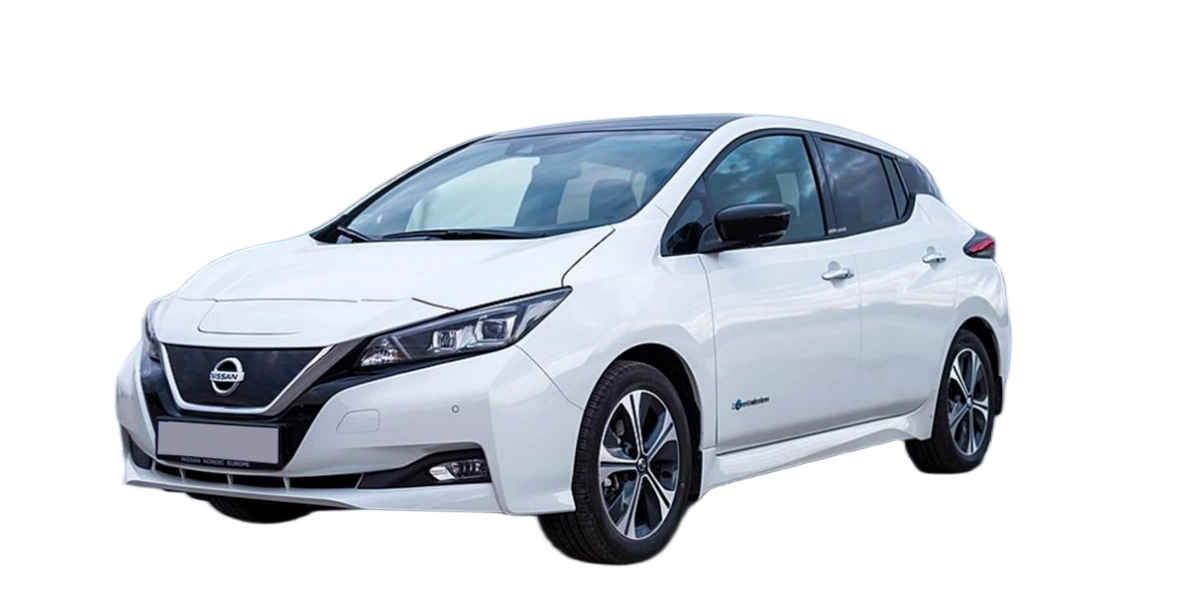
Upgrading your Nissan Leaf to a 40kWh lithium battery pack is one of the most cost-effective ways to revive your EV’s range and performance. Whether you drive a Leaf ZE0, ZE1, or AZE0, or are converting a Nissan e-NV200, integrating a modern, high-performance battery requires precise communication between the Battery Management System (BMS) and the vehicle’s existing Controller Area Network (CAN) bus.
At CNS BATTERY, we specialize in OEM-compatible Nissan EV batteries. We understand that the technical hurdle for most DIYers and mechanics isn’t just the physical fit—it’s the data flow. This guide will walk you through exactly how to use the CAN Bridge to ensure your retrofit is not only plug-and-play but also communicates flawlessly with your dashboard.
Why You Need a CAN Bridge for 40kWh Upgrades
Before we dive into the “how,” let’s clarify the “why.”
When retrofitting an older Leaf chassis (like the ZE0) with a newer 40kWh pack, or installing an aftermarket high-capacity module, the BMS speaks a different language than the original vehicle wiring harness.
- The Problem: The original Leaf protocol might not recognize the new battery’s voltage, temperature sensors, or state of charge (SOC).
- The Solution: The CAN Bridge adapter acts as a universal translator. It sits between the new battery’s BMS and the car’s original connector, converting the signals so your car thinks it’s still running on the factory-original software.
Without this critical component, you risk error codes, inability to charge, or the car refusing to drive.
Step-by-Step: Installing the CAN Bridge Adapter
Using the CAN Bridge correctly is vital for a zero-fault installation. Here is our recommended process, refined from thousands of successful retrofits.
1. Preparation and Safety
Safety first: Always disconnect the 12V auxiliary battery before starting any work on the high-voltage system.
- Ensure the vehicle is parked on a level surface.
- Wear insulated gloves and safety glasses.
- Verify you have the correct CAN Bridge module for your specific Leaf model (ZE0, ZE1, etc.).
2. Physical Connection
The CAN Bridge is designed for a direct plug-in fit.
- Locate the Connector: Find the main communication port on your new 40kWh lithium battery pack.
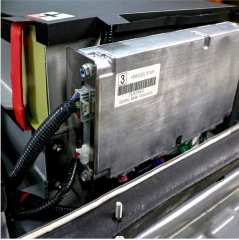
- Plug in the Adapter: Insert the CAN Bridge directly into the BMS communication port. This adapter is pre-programmed to mimic the original Nissan protocol.
- Secure the Link: Connect the vehicle’s original wiring harness to the other end of the CAN Bridge. The pins are color-coded and keyed to prevent reverse insertion.
3. System Integration and Testing
Once the hardware is connected, it’s time to wake up the system.
- Reconnect Power: Reattach the 12V battery.
- Power On: Turn the ignition to the “ON” position (do not start the car yet).
- The Handshake: You should hear a distinct “click” from the contactors inside the battery pack. This indicates the BMS has powered up and the CAN Bridge has established communication.
- Dashboard Check: The “Brake” and “Tire Pressure” lights may stay on initially. This is normal. The key sign of success is the absence of a red battery warning or a “Check EV System” light.
4. Calibration (If Required)
While most CNS 40kWh packs are pre-calibrated, some older chassis might require a quick SOC reset.
- Drive the car until the battery reaches 0% (or until the car stops).
- Charge the vehicle to 100% using a Level 1 charger.
- The system will automatically recalibrate the state of charge during this cycle.
Why Choose a CNS 40kWh Lithium Battery Pack?
When performing a retrofit, the quality of the battery and its included components (like the CAN Bridge) determines your long-term reliability.
1. Plug-and-Play Compatibility
Our 40kWh lithium battery packs are engineered to meet OEM standards. We include the necessary CAN Bridge adapters and wiring looms specifically designed for the Leaf ZE0, ZE1, and e-NV200. You don’t need to splice wires or rewrite code.
2. Superior Cell Technology
We utilize brand-new, top-tier CATL battery cells. Unlike refurbished or recycled cells, our packs offer:
- Ultimate Safety: Advanced thermal management to prevent overheating.
- Long Battery Life: Designed to withstand thousands of charge cycles with minimal degradation.
- Zero Swelling: High-quality cell chemistry ensures the physical integrity of the pack remains stable.
3. Unbeatable Value and Warranty
Retrofitting with a CNS battery saves you over 50% compared to original manufacturer prices. Furthermore, we back our confidence in the product with a 24-month / 80,000 km warranty. This coverage protects against defects in materials and workmanship, ensuring you aren’t left stranded.
Troubleshooting Common CAN Bridge Issues
Even with the best preparation, you might encounter hiccups. Here are the most common issues and fixes:
- No “Click” Sound: If you don’t hear the contactors engage, check the 12V connection to the BMS via the CAN Bridge. Ensure the small pins (usually orange and black) are making solid contact.
- Error Codes on Dashboard: If specific error codes appear, it often indicates a mismatch in the CAN Bridge firmware. Contact our technical support for a firmware update or to verify you have the correct adapter for your chassis year.
- Charging Port Light Stays Red: This usually means the BMS is not signaling “Ready to Charge.” Double-check the signal wire connection on the CAN Bridge.
Frequently Asked Questions (FAQ)
Q1: Can I use the CAN Bridge to upgrade my Leaf from 24kWh to 40kWh?
Yes, absolutely. The CAN Bridge is essential for this specific retrofit. It allows the 40kWh battery’s BMS to communicate with the older ZE0 chassis electronics, enabling the increased capacity to be recognized by the dashboard and charger.
Q2: Do I need any special tools to program the CAN Bridge?
No. Our standard retrofit kits come with pre-programmed CAN Bridge adapters specific to Nissan protocols. You simply plug it in. However, for advanced customizations or specific regional settings, our technical team can provide programming support.
Q3: What if my car model isn’t listed?
CNS BATTERY specializes in custom solutions. If you are working on a Nissan Altima, Pathfinder, or a custom EV conversion, we can develop a specific CAN protocol adapter. Contact our engineering team with your vehicle specifications.
Q4: How long does the installation take?
For a professional technician, installing the battery and connecting the CAN Bridge typically takes 1-2 hours. The adapter itself installs in seconds, but the full battery swap involves lifting the vehicle and disconnecting the old pack.
Ready to Upgrade Your Nissan?
Don’t let the complexities of CAN bus communication hold you back from extending your Nissan Leaf’s life. With the right 40kWh lithium battery pack and the proper CAN Bridge adapter, you can achieve a factory-fresh driving experience at a fraction of the cost.
At CNS BATTERY, we don’t just sell batteries; we provide the complete technical ecosystem for a successful retrofit. From the hardware to the software handshake, we ensure your upgrade is seamless.
Get a Free Custom Quote for Your Nissan EV Battery Today!