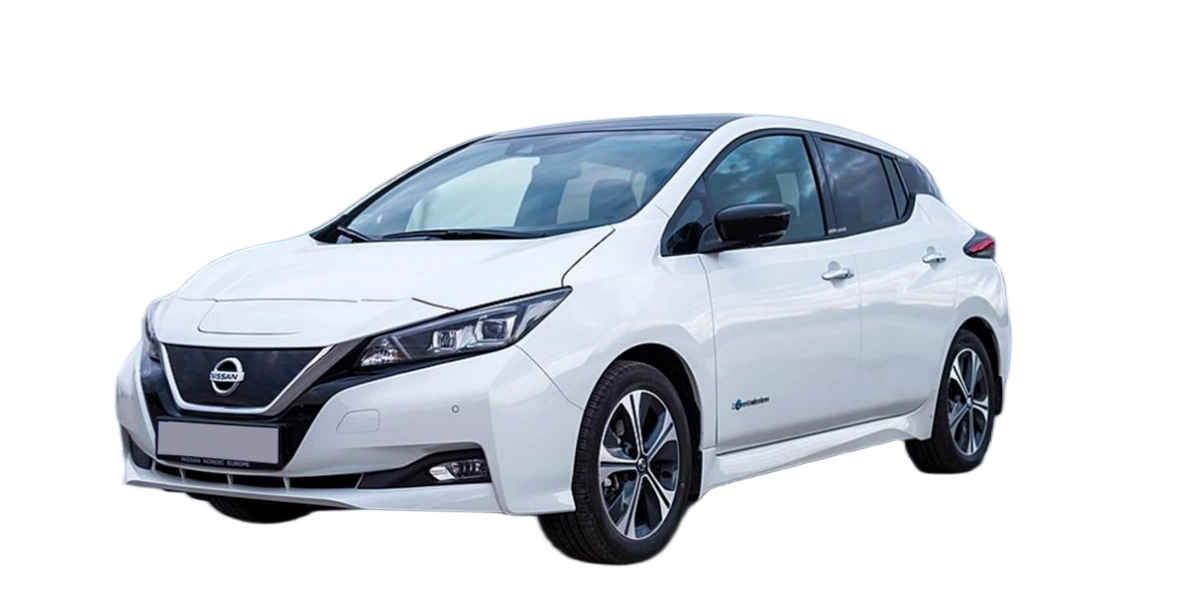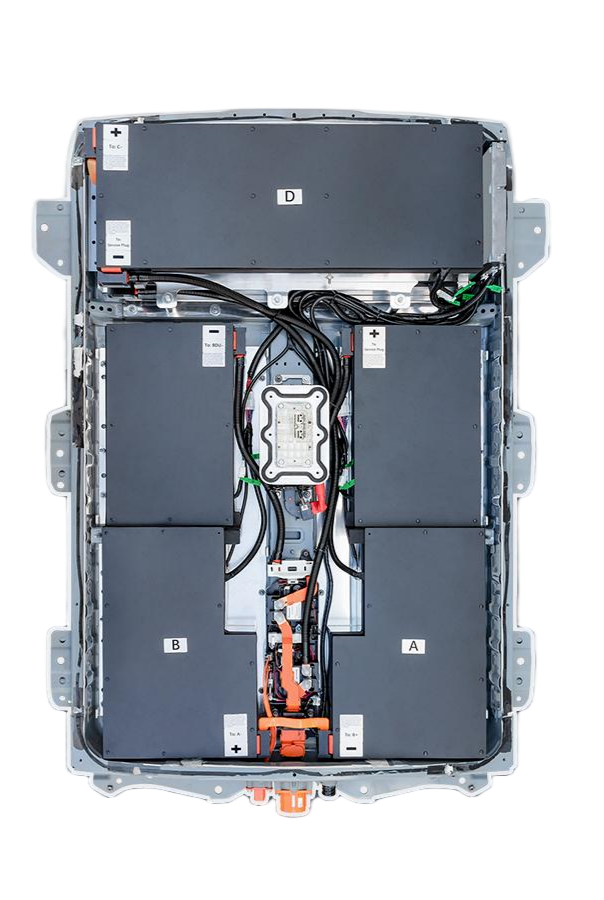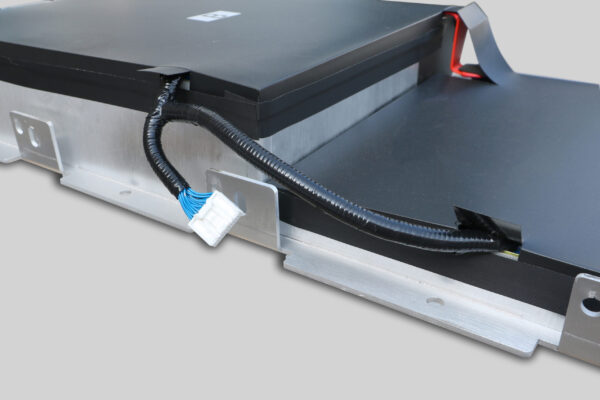
From 60 Miles to 200: The Ultimate Leaf Battery Replacement Guide
Is your Nissan Leaf struggling to make it to the end of the block? You’re not alone. Many owners of the 2011-2015 models (specifically the ZE0 generation) face the harsh reality of “Leaf Syndrome.” What was once a 100-mile daily commuter often degrades to a mere 60 miles—or less—due to battery capacity loss. This guide is for you. We’ll walk you through how to revive your Leaf, upgrading it from a 40kWh to a 62kWh battery pack, transforming it from a garage ornament back into a reliable 200-mile road warrior.
The Reality of the 24kWh & 30kWh Leaf
If you own a first-generation Nissan Leaf (2011-2015), you likely started with a 24kWh or 30kWh battery. These early packs were groundbreaking but had a short lifespan. By 2026, these cells are likely completely degraded.
- The Range Crisis: A degraded 24kWh pack might only show 4-6 bars on the dash, equating to roughly 30-40 miles of actual range. This makes the car unusable for anything but grocery runs.
- The Cost Barrier: Nissan’s official replacement cost can exceed $16,000. For a car valued at $3,000, this math doesn’t work for most drivers.
- The Solution: Battery replacement isn’t just maintenance; it’s a necessary upgrade. You need a modern, high-capacity pack that fits your chassis.
Why Upgrading to 62kWh is the “Sweet Spot”
You don’t have to settle for the original specs. The automotive aftermarket has evolved, and the 62kWh upgrade is the industry standard for a reason.
- Range Restoration: A brand new 62kWh pack restores the range to over 200 miles (approximately 220-230 miles in real-world driving). This makes your Leaf competitive with modern EVs.
- Lithium Iron Phosphate (LFP) Technology: Modern replacement packs, like those offered by CNS, utilize advanced LFP chemistry. Unlike the old packs, these are thermally stable, last longer, and don’t suffer from the same rapid degradation.
- Cost Efficiency: You can achieve this 200-mile range for roughly 50% of the cost of a dealership replacement.
Understanding the Generations: ZE0, ZE1, and AZE0
Before you buy, you must know your chassis code. Not all Leaf batteries are interchangeable.
| Generation | Model Years | Original Battery | Upgrade Potential |
|---|---|---|---|
| ZE0 | 2011 – 2015 | 24kWh / 30kWh | 40kWh or 62kWh (Requires chassis modification) |
| ZE1 | 2016 – 2019 | 40kWh | 62kWh (Direct fit or minor modification) |
| AZE0 | 2020 – 2023 | 40kWh / 62kWh | 62kWh (Direct fit) |
Note: The ZE0 chassis is the most complex to upgrade due to physical size differences. It requires cutting and welding brackets to fit the larger 62kWh module. If you are not a professional welder, we recommend consulting our technical team for a pre-modified solution or professional installation guidance.
Step-by-Step: Replacing Your Leaf Battery
Replacing a battery is a significant project, but it is doable. Here is the general workflow for a successful swap.
1. Pre-Purchase Compatibility Check
Do not order blindly. You must verify:
- VIN Number: This tells us the exact trim and hardware version.
- BMS Version: The Battery Management System must be compatible with the new pack. Upgrading from a 24kWh to 62kWh often requires a BMS flash or replacement.
2. The Physical Swap (Estimated 2-4 Hours)
For a professional technician, the swap takes about 2 hours. For a DIYer, expect 4 hours, especially if modifying a ZE0 chassis.
- Safety First: Disconnect the 12V battery and wait 15 minutes for the capacitors to discharge.
- Removal: Jack up the car, remove the undertray, and unbolt the old pack. Warning: The old pack may be heavy and contain damaged cells. Handle with care.
- Installation: Lower in the new pack. For 62kWh upgrades on ZE0 models, you will need to attach the new mounting brackets provided by the manufacturer to the chassis rails.
- Connection: Connect the main positive and negative terminals. Connect the communication harness.
3. Programming and Testing
This is where many DIYers get stuck. After physical installation, the car needs to recognize the new battery.
- BMS Configuration: Our packs come with pre-programmed BMS units, but your car’s computer may need a software update to accept the new capacity.
- The “Bar Test”: After starting the car, you should see 12 bars (or the full bar count for your specific model). If you see dashes or error codes, contact technical support immediately for remote video guidance.
Why Choose a Third-Party Manufacturer Like CNS?
You might be wondering, “Why not just find a used pack from a salvage yard?”
- Used vs. New: Salvage yard batteries are used. They have unknown health and will likely fail within 6-12 months. You are paying for someone else’s depreciation.
- Certification: Reputable third-party manufacturers (like us) use brand new CATL cells. These are the same Tier-1 cells used by major OEMs, ensuring safety and longevity.
- Warranty: We offer a 2-year / 80,000 km warranty. Salvage yards offer nothing. This warranty covers defects and capacity degradation, ensuring you aren’t left stranded.
The Investment: Cost vs. Value
Let’s break down the economics of saving your Leaf.
- Dealership Cost: ~$16,000 (Often forces you to buy a whole new car).
- Salvage Yard Cost: ~$3,000 – $5,000 (High risk of immediate failure).
- CNS Battery Solution: ~$7,800 – $8,200 (Brand new cells, 2-year warranty).
While $8,000 is a significant sum, it is the price of a reliable, 200-mile electric vehicle. It is less than buying a new gas car and allows you to keep a car you already love and know is mechanically sound.
Maintaining Your “New” 200-Mile Battery
Once you have your 62kWh pack installed, treat it right to maximize its lifespan.
- Avoid 100% Charging Daily: While modern LFP batteries are robust, charging to 80-90% for daily use reduces stress.
- Winter Care: In cold climates, pre-heat the battery while plugged in before driving. This improves efficiency and prevents lithium plating.
- Regular Diagnostics: Use an OBD2 scanner monthly to check individual cell voltages. A healthy pack should have all cells within 0.02V of each other.
Frequently Asked Questions (FAQ)
1. Is it legal to replace my Nissan Leaf battery with an aftermarket pack?
Yes, it is legal. However, it will void the remaining factory warranty on the vehicle (if any exists in 2026). You are essentially performing a modification. Our packs are designed to meet or exceed OEM safety standards.
2. How long does the installation take for a ZE0 (2011-2015) model?
For a ZE0 model, expect the process to take 4-6 hours. This includes the time to remove the old chassis brackets, weld/install the new 62kWh brackets, and mount the new battery. Newer ZE1 models can be done in roughly 2 hours as it is a direct bolt-in.
3. What happens to the “Battery Capacity” gauge on the dashboard?
After installation and successful BMS programming, your dashboard should display the full bar count for the new pack. A 62kWh pack will typically show 12 bars (or 100% on digital dashboards), replacing the old degraded bars.
4. Do I need to replace the charger or inverter?
No. The 62kWh upgrade uses the same voltage architecture as the 40kWh pack. Your existing onboard charger and inverter are fully compatible. The only difference is the increased capacity (Ah) of the cells.
5. What is the warranty on these replacement batteries?
We offer a comprehensive 24-month / 80,000 km warranty. This covers manufacturing defects and guarantees that the battery will retain at least 70% of its capacity during the warranty period. If a problem occurs, we provide free replacement or repair.
6. Can I install this myself, or do I need a mechanic?
If you are comfortable with basic mechanics (changing oil, brakes) and have the proper safety gear (insulated gloves), a ZE1 swap is manageable. However, due to the high voltage and potential chassis modification required for ZE0 models, we strongly recommend professional installation unless you have specific EV experience.
Ready to revive your Leaf and hit the road with 200 miles of range? Don’t let battery degradation end your EV journey. Get a free, personalized quote today for a brand new, high-capacity Nissan Leaf battery.