Here is the SEO-optimized article based on your requirements, written from the perspective of a CNS BATTERY expert.
⚡ The Ultimate 2026 Guide to Nissan & BMW EV Battery Maintenance
As an electric vehicle owner, your battery is the heart of your car. Whether you drive a Nissan Leaf or a BMW i3, maintaining peak performance requires more than just plugging in. In 2026, with advancements in lithium-ion technology, having the right user manual and best practices is essential to maximize your range, ensure safety, and protect your investment.
At CNS BATTERY, we don’t just manufacture OEM-compatible EV batteries; we provide the expertise to keep them running like new. This guide serves as your comprehensive manual for getting the most out of your powertrain.
🛠️ Installation: Your Step-by-Step Guide
Proper installation is the first critical step in your battery’s lifecycle. While our packs are designed for a plug-and-play experience, following best practices ensures a smooth transition.
- Safety First: Always disconnect the vehicle power and wear insulated gloves. Our standard kits often include protective gear to ensure your safety during the process.
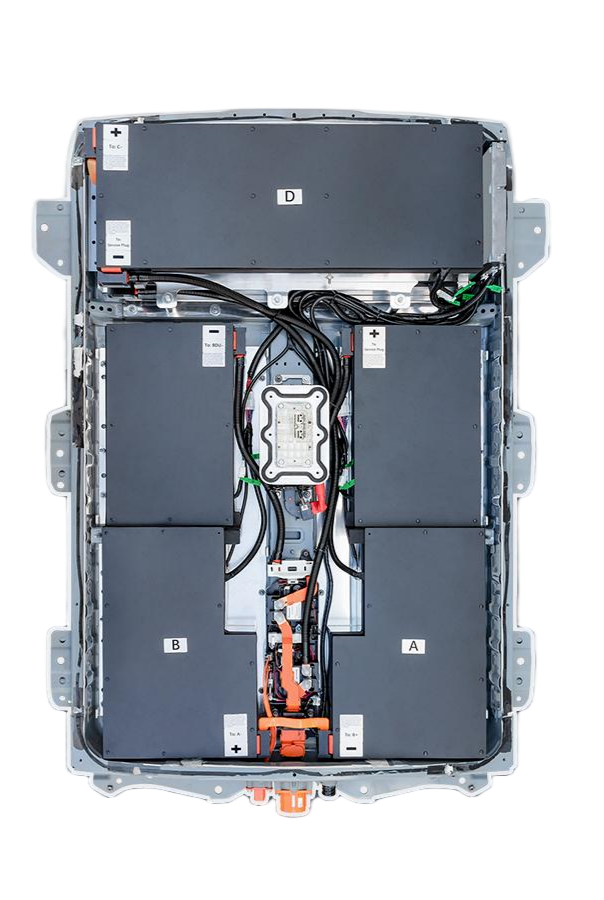
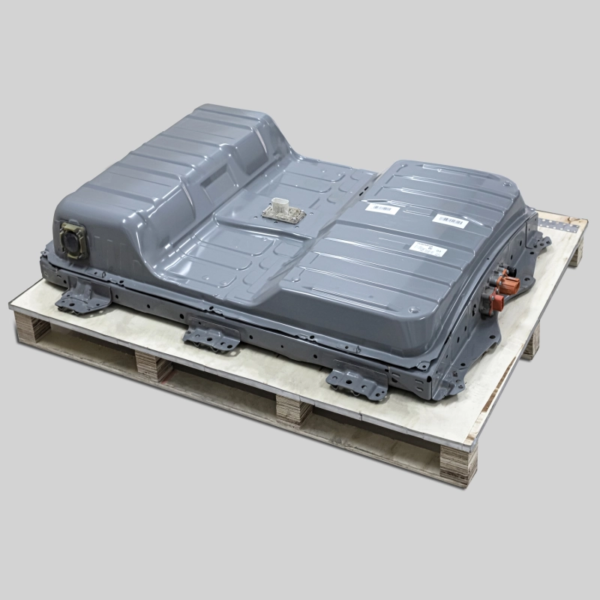
- Physical Fitment: Remove the old battery mounting brackets and lower the new CNS Lithium Battery Pack into place. Our packs are engineered to match the original factory dimensions precisely, ensuring no modifications are needed.
- Electrical Connection: Connect the power cables and the signal line. Our connectors are color-coded to prevent errors. For DIY enthusiasts, we provide high-definition tutorial videos and PDF manuals detailing every step, from tool preparation to final diagnostics.
- BMS Programming: This is where our support shines. After physical installation, our team provides remote video guidance or step-by-step instructions to program the Battery Management System (BMS). This ensures seamless communication between the battery and your vehicle’s dashboard.
Expert Tip: If you encounter any issues during programming, our technical support team resolves most problems within 24 hours via video call, ensuring you aren’t left stranded.
🌡️ Daily Best Practices for 2026
To achieve the “long battery life” promised by modern engineering, your daily charging habits matter. Here are the best practices we recommend to our customers:
- Avoid Extreme States of Charge: While it might be tempting to charge to 100% every night, for daily commuting, keeping your charge between 20% and 80% significantly reduces stress on the cells.
- Climate Management: Lithium-ion batteries perform best at moderate temperatures. In summer, avoid leaving your car in direct sunlight for extended periods. In winter, utilize preconditioning if your vehicle supports it, or allow the battery to warm up slightly before fast charging.
- Storage Guidelines: If you plan to store your vehicle for an extended period (over a month), store the battery at approximately 50% charge in a cool, dry place. This prevents deep discharge and maintains cell health.
🔋 Charging Optimization
Charging is not one-size-fits-all. Here is how to optimize based on your needs:
| Scenario | Recommended Practice |
|---|---|
| Daily Commute | Use Level 1 or Level 2 (AC) charging. Keep the charge below 80% for longevity. |
| Long Road Trips | Utilize DC Fast Charging. Precondition the battery if possible to maximize charging speed. |
| Winter Charging | Charge immediately after driving (while the battery is warm) or allow a warm-up cycle before connecting. |
📊 Troubleshooting Common Issues
Even with the best maintenance, you might encounter dashboard warnings. Here is a quick reference guide:
- Error Code: “Battery Overheating”
- Cause: High ambient temperature or aggressive driving.
- Solution: Stop the vehicle, turn off the climate control, and let the battery cool down naturally. Do not attempt to fast charge until the temperature drops.
- Error Code: “Charging Port Fault”
- Cause: Moisture, debris, or a faulty connector.
- Solution: Inspect the port for obstructions. If the port is dry and clear, the issue may be with the vehicle’s internal sensor or the charging cable itself.
- Error Code: “12V Battery Low”
- Cause: The 12V auxiliary battery is drained, often because the main traction battery is too low to recharge it.
- Solution: Jump-start the 12V system or use a portable charger. If the main battery is below 5%, you may need a mobile technician to boost the high-voltage system.
💡 Why Choose CNS BATTERY?
When you choose a CNS battery, you are not just buying a replacement; you are buying peace of mind. We stand by our products with an industry-leading 2-year / 80,000 km warranty, covering manufacturing defects and performance degradation. Unlike refurbished or low-quality alternatives, our packs utilize brand-new CATL cells, guaranteeing the safety and reliability you expect from a premium brand.
We understand that every driver’s needs are different. Whether you drive a Nissan Leaf ZE0, Leaf AZE0, or a BMW i3, our experts are here to help you find the perfect fit.
Ready to upgrade your EV experience? Get a free custom quote today and discover the CNS difference.
Get Your Free Custom Quote Now
❓ Frequently Asked Questions (FAQ)
1. What is the installation time for a CNS battery?
Installation typically takes 1-2 hours. For a professional technician, it may take as little as 50 minutes. DIY users may need additional time to prepare tools and follow the video guide. We provide comprehensive step-by-step videos and PDF manuals to assist you through the entire process.
2. How do I know if a CNS battery is compatible with my car?
We specialize in Nissan and BMW models. To check compatibility, simply provide your vehicle’s year, model number, and VIN code to our customer service team. We match these against OEM standards for voltage, capacity, and interface (such as Type 2 connectors) to ensure a perfect fit before you purchase.
3. What kind of warranty do CNS batteries offer?
We offer an unbeatable 2-year / 80,000 km warranty (whichever comes first). This covers defects in materials and workmanship, including free replacement or repair. We also provide prorated coverage ensuring your battery maintains at least 70% capacity over the warranty period.
4. Do you offer international shipping?
Yes, we support international sales to over 50 countries. We handle customs compliance and offer DDP (Delivered Duty Paid) service for most regions. We also provide voltage-compatible options for global standards. For specific shipping solutions to your country, please contact our sales team.
5. What payment methods are available?
We offer a variety of secure payment options. You can confirm your preferred method with our customer service team when signing the contract. We partner with major carriers like DHL, FedEx, and UPS to ensure your battery arrives safely, adhering to all IATA dangerous goods regulations.