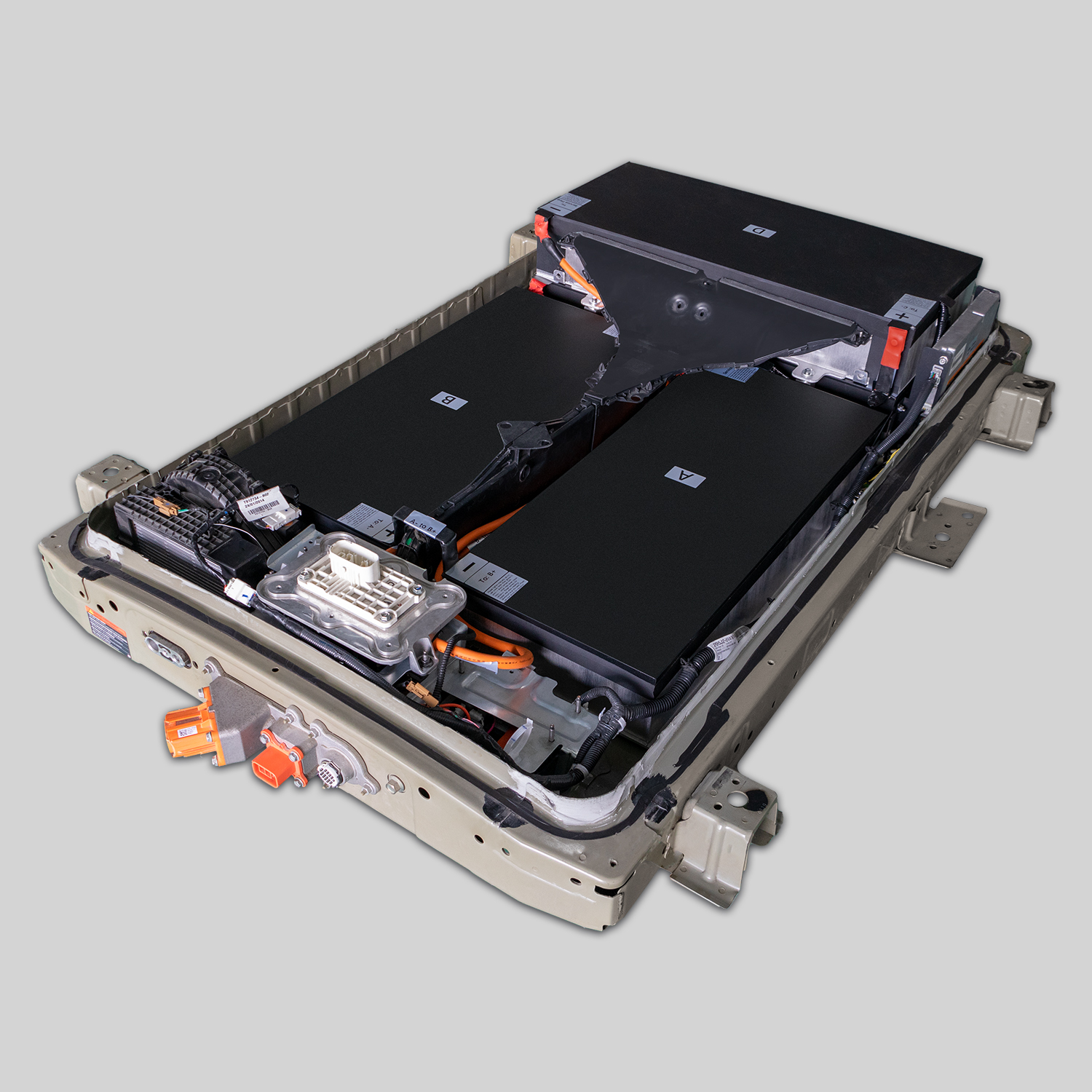
⚡️ The Ultimate DIY Guide: Replacing Your Nissan Leaf ZE0 Battery
Is your Nissan Leaf ZE0 struggling to make it to the end of the driveway? You’re not alone. As the 2011-2017 models age, their original batteries are hitting the wall, leaving owners with a tough choice: buy a new car or find a cost-effective battery replacement.
If you’re reading this, you’re likely a hands-on enthusiast or a budget-conscious owner looking to revive your Leaf without emptying your bank account. This guide is designed specifically for the Nissan Leaf ZE0 owner, providing a step-by-step roadmap for a successful DIY battery replacement.
🛠️ Why Replace Your ZE0 Battery? The Cost-Benefit Analysis
Before we dive into the wrench work, let’s talk numbers. The ZE0 generation is a classic. With proper care, the chassis can easily last 200,000+ miles. However, the battery is a different story.
- The Reality of Degradation: Most ZE0 Leafs originally came with 24kWh or 30kWh packs. After a decade, these often degrade to 50% capacity or less.
- The Dealership Trap: Going to the Nissan 4S shop for a replacement often means paying upwards of $16,000 for a new OEM pack—a price that makes no financial sense for a car worth $2,000.
- The DIY Solution: This is where sourcing a high-quality aftermarket or remanufactured pack comes in. By doing it yourself, you can restore your car to “like new” range for a fraction of the cost.
Expert Tip: Many ZE0 owners are now upgrading from 24kWh to 40kWh or even 62kWh packs originally designed for newer Leaf models. This “battery swap” is mechanically feasible and offers the best value.
📦 Preparing for the Swap: Tools and Safety
Safety is paramount. High-voltage batteries are not like changing a tire. Before you start, ensure you have the right gear and environment.
🔒 Safety First
- Disconnect the 12V: Always start by removing the negative terminal of the 12V auxiliary battery. This cuts power to the BMS (Battery Management System).
- PPE (Personal Protective Equipment): Wear insulated gloves and safety glasses. Even when disconnected, capacitors can hold a charge.
- Environment: Work in a dry, well-ventilated garage. Do not attempt this in the rain.
🧰 Tools You Will Need
- Torque Wrench: Essential for re-tightening bolts to the correct specification (usually 15-20 Nm for module connections).
- Insulated Socket Set: Avoid accidental shorts.
- OBD2 Scanner: You will need this to reset the BMS and check for error codes after installation.
- Jack Stands: The battery pack is heavy (approx. 600 lbs / 270 kg). You need a solid lift.
🛠️ Step-by-Step: Removing the Old ZE0 Battery
The ZE0 battery layout is relatively straightforward, but it requires patience.
Step 1: Access
- Remove the underbody plastic shields.
- Locate the high-voltage (HV) service disconnect (usually on the right side of the pack). Pull the emergency disconnect lever to cut main power.
- Disconnect the main HV cables (Positive and Negative). Tape the ends to prevent accidental contact.
Step 2: Disconnection
- Disconnect the low-voltage (LV) communication harnesses from the BMS box.
- Remove the coolant hoses from the thermal management system. Have a pan ready to catch excess fluid.
Step 3: Extraction
- Loosen the 24-28 retaining bolts securing the battery to the chassis.
- Using a transmission jack or engine hoist (highly recommended), gently lift the pack out. Do not tilt it excessively, as this can damage the internal cells or casing.
🔋 Installing Your New Battery Pack
Whether you are installing a brand new 40kWh pack or a refurbished unit, the installation is the reverse of removal—but with critical checks.
1. Fitment Check
Ensure the new pack’s mounting points align with the chassis rails. Modern replacement packs (like those from CNS) are designed to OEM specifications, ensuring a perfect fit.
2. Reconnection
- Cooling System: Reconnect the coolant hoses. Bleed the system according to the vehicle manual to avoid airlocks.
- Electrical: Reconnect the LV harnesses first, then the HV cables.
- Sealing: Replace any old gaskets or seals on the battery casing to maintain IP67 waterproofing.
3. The “Moment of Truth”
- Reconnect the 12V battery.
- Turn the key to “ON” (do not start the car yet). The BMS should initialize.
- Use your OBD2 scanner to check the State of Health (SOH). A brand new pack should read 100%.
💰 The Smart Owner’s Alternative: Buying a New Pack
While the DIY process is rewarding, the most significant hurdle for many is sourcing the battery itself.
Purchasing a used pack from a salvage yard is risky—those cells are just as old as yours. The smart alternative is to buy a brand-new pack specifically designed for your ZE0.
Why Choose a New Pack Over Used?
- Zero Degradation: You start at 100% capacity.
- Warranty: Used packs come with no warranty. A new pack should come with coverage (e.g., 2 years / 80,000 km).
- Safety: New cells from reputable manufacturers (like CATL) have the latest BMS safety protocols, reducing fire risk.
Note: Companies like CNS BATTERY specialize in manufacturing new 40kWh and 62kWh packs specifically compatible with the Nissan Leaf ZE0 chassis. These are not recycled junk; they are engineered replacements.
📝 Conclusion: Get Back on the Road
Replacing the battery in your Nissan Leaf ZE0 is a massive achievement. Not only have you saved a car from the scrapyard, but you’ve also restored its usability for daily commuting.
If you are ready to source your replacement battery but need help confirming the exact kWh rating or compatibility for your specific ZE0 model year, don’t guess.
Contact our technical experts for a free compatibility check. We ensure you get the right pack the first time, backed by a warranty and lifetime technical support.
Get Your Free Custom Quote Now
❓ Frequently Asked Questions (FAQ)
Q1: Can I really upgrade my 24kWh Leaf to a 62kWh battery?
Yes, it is technically possible, but it requires significant modifications to the battery mounting brackets and the BMS software. For most DIYers, sticking to a 40kWh upgrade is the safest and most cost-effective “plug-and-play” option, as it fits the ZE0 chassis without structural changes.
Q2: How long does a DIY replacement take?
For a beginner, expect the job to take 6 to 8 hours. This includes draining the coolant, lifting the heavy pack, and the reinstallation process. Do not rush; rushing leads to dropped packs or pinched wires.
Q3: What if my car throws an error code after installation?
This is common. The car’s ECU might need to be reset to recognize the new battery’s BMS. You can usually do this by disconnecting the 12V battery for 15 minutes or using a professional OBD2 scanner to clear the DTCs (Diagnostic Trouble Codes).
Q4: Are these replacement packs safe?
Safety depends entirely on the manufacturer. Avoid cheap, uncertified packs from unknown brands. Look for packs utilizing brand-new cells from Tier-1 suppliers (such as CATL) that meet UN38.3 transportation safety standards. Always verify the seller offers a written warranty.