DIY Guide to New Nissan Leaf 40kWh Replacement
If you own a Nissan Leaf and are facing rising repair costs or limited range, replacing your battery is likely the most significant decision you’ll make. Many owners assume the only option is the expensive Original Equipment Manufacturer (OEM) route. However, the market has evolved, offering high-performance, cost-effective alternatives that restore your vehicle’s glory without breaking the bank.
This comprehensive guide is designed for DIY enthusiasts and repair shops looking to replace a Nissan Leaf battery. We will focus specifically on the 40kWh variant, a popular choice for balancing cost and range. While the OEM price can be prohibitive, third-party solutions like those from CNS BATTERY offer a compelling value proposition, saving owners up to 50% while utilizing premium cells from industry giants like CATL.
Why Consider a 40kWh Nissan Leaf Battery Replacement?
The Nissan Leaf has been a pioneer in the electric vehicle (EV) market. As these vehicles age, battery degradation becomes inevitable. If you are considering a replacement, here are the primary scenarios driving this decision:
- Capacity Degradation: If your Leaf’s range has dropped significantly (e.g., below 100km), a new pack is essential.
- Cell Swelling: Physical deformation of cells is a safety hazard requiring immediate replacement.
- Cost of Ownership: Repairing a degraded pack with recycled cells often leads to a short lifespan. Investing in brand-new cells is the most economical long-term solution.
The Cost & Quality Equation
When shopping for a replacement, you generally encounter three tiers: used/refurbished modules, OEM new packs, and premium aftermarket solutions.
| Feature | Refurbished/Used Batteries | OEM Factory Batteries | CNS BATTERY (Premium Alternative) |
|---|---|---|---|
| Cell Source | Recycled, often degraded | Factory New | Brand New CATL Cells |
| Price Point | Low upfront cost | Very High ($15k+) | Mid-Range (50% Savings) |
| Warranty | Often None or Short | Standard Warranty | 2 Years / 80,000km |
| Longevity | Unpredictable, Risk of Swelling | Reliable | Reliable (New Cells) |
Insight: Opting for a new 40kWh pack from a reputable supplier ensures you aren’t inheriting someone else’s battery problems.
Step-by-Step: Replacing Your Nissan Leaf Battery
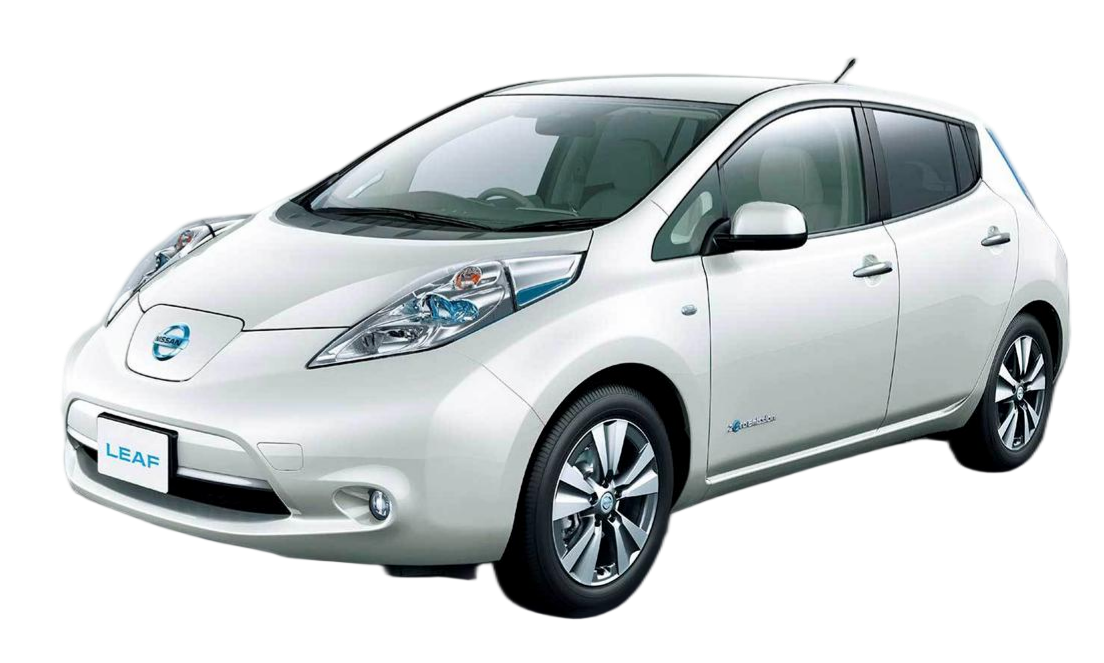
Replacing the battery in a Nissan Leaf (specifically models like the ZE0, AZE0, or ZE1) is a manageable task for a competent DIYer or a standard procedure for a mechanic. The process is largely mechanical, making it a “plug-and-play” experience when you have the right components.
Tools and Preparation
Before you begin, gather the necessary equipment:
- Lifting Equipment: A car jack or lift (the Leaf has a ground clearance of approximately 140mm).
- Basic Mechanics Toolkit: Wrenches, screwdrivers, and socket sets.
- Safety Gear: Insulated gloves and safety glasses (high-voltage safety is paramount).
The Installation Process
- Vehicle Preparation: Park the car on a flat surface and engage the parking brake. Disconnect the 12V auxiliary battery to cut all power.
- Undercarriage Access: Lift the vehicle safely. You will need to remove the plastic undertray to access the battery mounting points.
- Disconnection: Locate the high-voltage (HV) connector on the battery pack. Disconnect this first. Then, disconnect the negative and positive terminals from the vehicle chassis.
- Removal: Remove the bolts securing the battery to the chassis (typically 8-10 bolts). Carefully slide the old battery out.
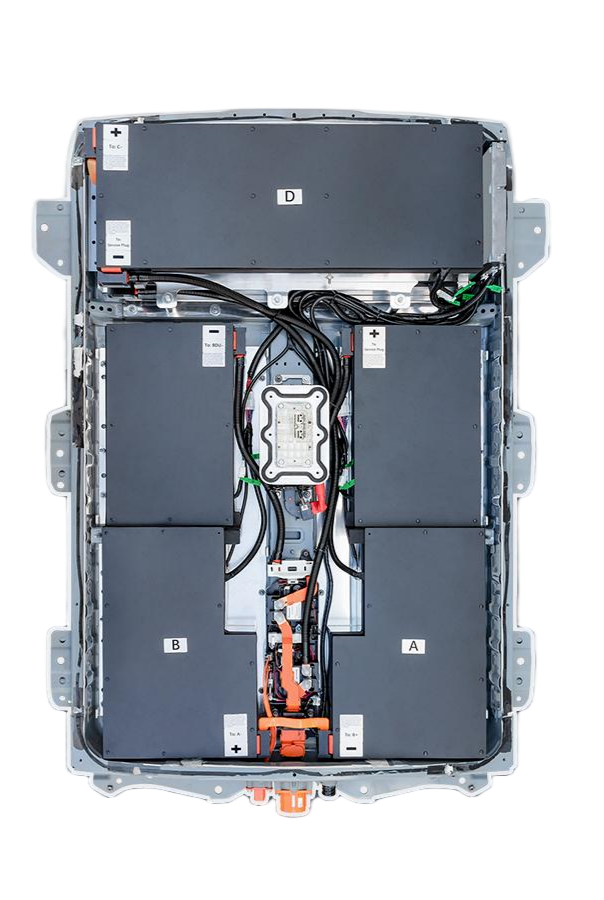
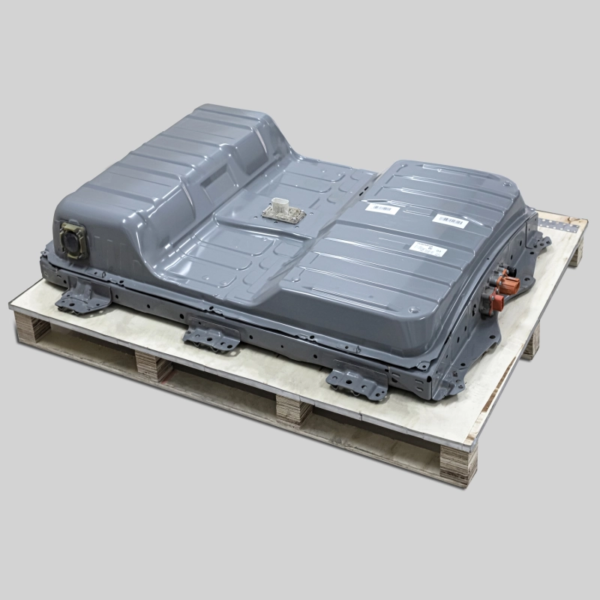
- Installation: Slide the new 40kWh lithium battery pack into place. This is where a premium supplier matters—ensuring the connector types and mounting points match the OEM specifications perfectly.
- Reconnection: Bolt the new pack down, reconnect the HV connector, and reattach the main terminals.
- System Reset: Reconnect the 12V battery. Start the vehicle. In most cases, the Battery Management System (BMS) will auto-negotiate, and the car will recognize the full charge capacity immediately.
Expert Note: If you encounter a BMS error code, many suppliers, including CNS BATTERY, offer remote video guidance to reset the system, ensuring a smooth integration.
Why New CATL Cells Make a Difference
Not all replacement batteries are created equal. When you purchase a “40kWh replacement,” you must verify the cell chemistry and origin.
- Cell Quality: The gold standard in the industry is CATL (Contemporary Amperex Technology Co. Limited). These cells offer superior thermal management and energy density compared to older recycled cells.
- Chemistry: Most modern replacements use NMC (Nickel Manganese Cobalt) chemistry, which provides a balanced mix of power and longevity.
- Warranty Confidence: A robust warranty is the best indicator of a manufacturer’s confidence in their product. A 2-year / 80,000km warranty (as offered by CNS) is significantly longer than the industry average for aftermarket parts, providing peace of mind that the pack won’t fail prematurely.
Frequently Asked Questions (FAQ)
1. Is it safe to install a third-party battery myself?
Yes, provided you follow standard high-voltage safety protocols (disconnecting the 12V battery first). The physical installation is purely mechanical. However, if you are uncomfortable, consulting a professional mechanic is always recommended. Most suppliers offer video call support for troubleshooting.
2. How much range can I expect from a new 40kWh pack?
A brand-new 40kWh lithium battery pack should restore your vehicle to near-original specifications. You can expect a real-world range of approximately 170-200 km depending on driving conditions and climate.
3. What is the price difference between OEM and aftermarket?
Replacing your battery at a Nissan dealership can cost upwards of $15,000 to $16,000. A premium aftermarket solution with new CATL cells typically costs 50% less, making it a financially viable option for keeping older EVs on the road.
4. Does the replacement battery come with a BMS?
Yes, every modern lithium battery pack includes an integrated Battery Management System (BMS). This system communicates directly with your Nissan Leaf’s onboard computer to manage charging, discharging, and temperature.
Ready to Restore Your Nissan Leaf?
Replacing your Nissan Leaf’s battery doesn’t have to be a financial burden. By choosing a high-quality, OEM-compatible 40kWh solution, you can extend the life of your vehicle for thousands of additional miles at a fraction of the cost of a new car.
If you are ready to take the next step, CNS BATTERY specializes in providing reliable, cost-effective powertrains for Nissan and BMW vehicles.
Get Your Custom Quote Now
Contact Our Technical Experts