📉 The 2021 Nissan Leaf Battery Reality Check: Why Owners Are Switching to Affordable New Packs
If you are a proud owner of a 2021 Nissan Leaf, you are likely enjoying one of the most reliable electric vehicles on the road. However, even the best EVs face the inevitable truth of battery degradation over time. For many 2021 Leaf owners, the fear of skyrocketing replacement costs is a looming shadow. The standard industry solution often comes with a sticker shock of $13,000 to $16,000 for an Original Equipment Manufacturer (OEM) battery.
This financial hurdle is where the narrative changes. A growing number of savvy drivers are discovering that “affordable” doesn’t have to mean “low quality.” By opting for affordable new packs specifically engineered for the 2021 Nissan Leaf, owners are revitalizing their vehicles without draining their bank accounts. This guide will walk you through why this is the smartest financial move for your Leaf and how to ensure you get a pack that meets factory standards without the factory markup.
🤔 Why “Affordable” Doesn’t Mean “Cheap” Anymore
The market for EV battery replacements has evolved significantly. In the past, the choice was binary: pay the exorbitant OEM price or gamble on a used/refurbished pack with unknown health. Today, a third option dominates the value conversation: Brand New, Non-OEM Battery Packs.
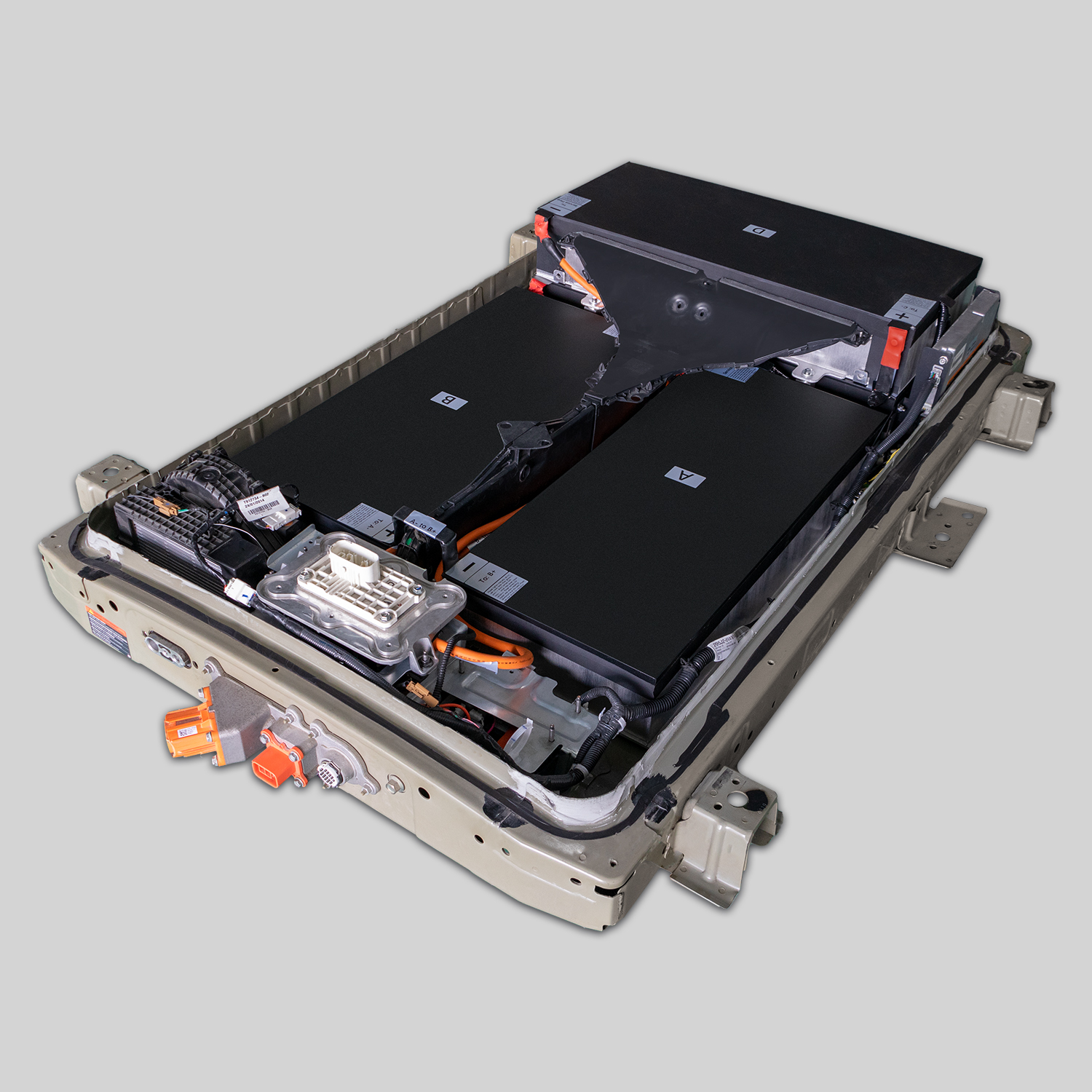
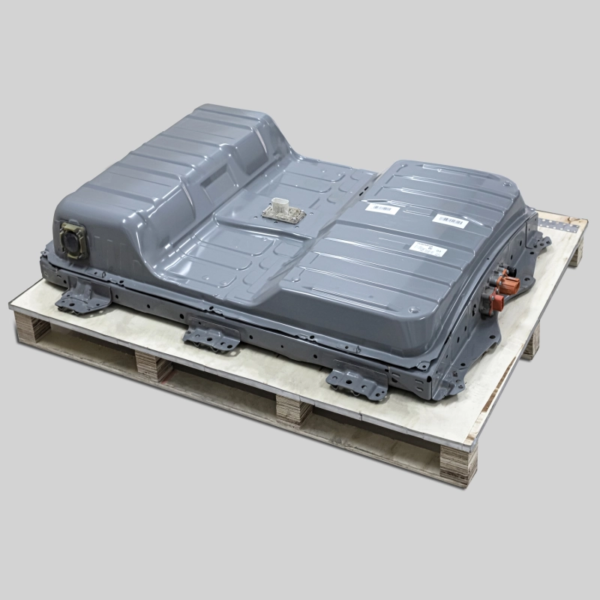
These packs are not salvaged from junkyards. They are manufactured using brand-new, premium-grade cells (often from industry giants like CATL) and are engineered to match the exact voltage, capacity, and physical dimensions of your 2021 Leaf. The “affordability” comes from cutting out the massive brand premium and complex dealership logistics associated with OEM parts.
The Cost-Benefit Breakdown
Replacing a battery is often the most expensive repair an EV owner will face. Understanding the cost difference is crucial for making an informed decision.
| Battery Type | Estimated Cost (USD) | Risk Factor | Warranty Coverage |
|---|---|---|---|
| OEM Replacement | $13,000 – $16,000 | Low (Standard) | 8 Years / 100,000 Miles |
| Refurbished/Used | $4,000 – $6,000 | High (Unknown history) | Often None or Very Short |
| Affordable New Pack | $6,000 – $8,500 | Low (Fresh Cells) | 2 Years / 80,000 KM |
Data reflects current market averages for 2021 Nissan Leaf ZE1 models.
The math is undeniable. An affordable new pack can save you over 50% compared to the dealer, while providing the peace of mind that comes with brand-new lithium-ion technology.
🔋 The 2021 Nissan Leaf ZE1: A Unique Opportunity
The 2021 model year is significant for Nissan Leaf owners. This iteration, known internally as the ZE1, represents a modern standard in EV design. Unlike older Leafs (ZE0/AZE0), the ZE1 often features updated Battery Management Systems (BMS) and thermal management.
When searching for an affordable solution, it is vital to ensure the replacement pack is explicitly compatible with the ZE1 designation. Generic “Leaf” batteries might fit physically but could cause communication errors or reduced performance due to software mismatches.
Key Specifications for Your 2021 Leaf
- Model Compatibility: Nissan Leaf ZE1 (2021+)
- Available Capacities: 40kWh, 62kWh (and sometimes 68kWh upgrades)
- Cell Chemistry: Typically NMC (Nickel Manganese Cobalt) for high energy density.
- BMS Integration: Must support seamless plug-and-play with the vehicle’s existing software.
By choosing a pack designed specifically for the ZE1, you ensure that features like the NissanConnect app, preconditioning, and regenerative braking work flawlessly.
🛠️ Installation: Is It a DIY Project?
One of the biggest concerns for owners considering a non-dealer battery is the installation process. “Do I need a mechanic? Will I void my warranty?”
The reality is that replacing the battery in a 2021 Nissan Leaf is largely a mechanical process. The high-voltage cables and connectors are designed for disconnection. However, the critical step is the software handshake.
The Software Handshake Challenge
Unlike the older ZE0 models, the ZE1 requires the new Battery Management System (BMS) to communicate correctly with the car’s main computer. This is where the “expertise” part of an affordable solution comes into play.
What to Look for in a Provider:
- Pre-Sale VIN Check: A reputable supplier will ask for your Vehicle Identification Number to confirm compatibility before you buy.
- Remote Programming Support: Because the BMS needs to be programmed to “speak” to your specific car, your supplier should offer remote video support. This is not a “figure it out yourself” situation; it requires an expert on the other end of a video call to guide the technician through the programming steps.
- Plug-and-Play Design: The physical installation should involve unbolted the old pack and bolting in the new one, with connectors that match the factory harness.
🛡️ Trust & Warranty: The Safety Net
Purchasing a battery is a long-term investment. When you buy an affordable new pack, you are essentially entering a partnership with the manufacturer. Therefore, their warranty policy is your primary security blanket.
Why a 2-Year Warranty Matters
While OEMs offer 8-year warranties, the reality for a 2021 Leaf owner is different. You are likely replacing the battery because the original one degraded or failed. A 2-year / 80,000 km warranty on a brand-new pack is significantly better than the “as-is” condition of a used pack.
This warranty signals that the manufacturer stands behind the quality of their cells and assembly. It protects you against defects in materials and workmanship, ensuring that if a cell fails prematurely, you are covered.
🚀 Taking the Next Step: Get Your Free Quote
If you are tired of range anxiety and the fear of a massive repair bill, it is time to explore the affordable new pack alternative. You do not have to settle for a risky used battery, nor do you have to pay the dealer’s premium.
By choosing a high-quality, new battery pack specifically engineered for the 2021 Nissan Leaf ZE1, you can restore your car to “like new” condition at half the price.
Ready to see how much you can save?
Get a personalized quote today and see the difference a brand-new, affordable solution can make for your EV journey.
❓ Frequently Asked Questions (FAQ)
Q1: Will installing an aftermarket battery void my car’s warranty?
A: Generally, no. Under most consumer protection laws (like the Magnuson-Moss Warranty Act in the US), a manufacturer cannot void your warranty simply because you used an aftermarket part, unless that specific part caused the damage. However, the specific component (the battery) and related systems (like the BMS) may no longer be covered under the original Nissan warranty. It is always recommended to perform a VIN compatibility check before purchasing to ensure the new battery integrates seamlessly without causing software conflicts.
Q2: How long does the installation take for a 2021 Nissan Leaf?
A: For a professional technician, the physical installation of the battery pack typically takes 1 to 2 hours. This involves disconnecting the vehicle power, removing the old mounting brackets, and bolting in the new pack. The most critical part is the BMS programming, which requires remote expert guidance. With proper preparation and the right tools, the entire process can usually be completed in a single afternoon.
Q3: What kind of cells are used in these affordable new packs?
A: Reputable manufacturers use brand-new, premium-grade lithium-ion cells sourced from top-tier suppliers like CATL (Contemporary Amperex Technology Co. Limited). These are not recycled or refurbished cells from old packs. Using new cells ensures maximum energy density, thermal stability, and a long lifespan, offering a safety and performance profile that far exceeds that of used batteries.
Q4: Is there a risk of “bricking” my car during the swap?
A: There is always a risk when working with high-voltage systems, which is why we strongly recommend professional installation or at least remote supervision by a certified technician. The primary risk lies in the BMS programming phase. If the new battery’s BMS is not programmed correctly to communicate with the car’s computer, the vehicle may not recognize the battery. This is why choosing a supplier that offers live video installation guidance is crucial to avoid this scenario.