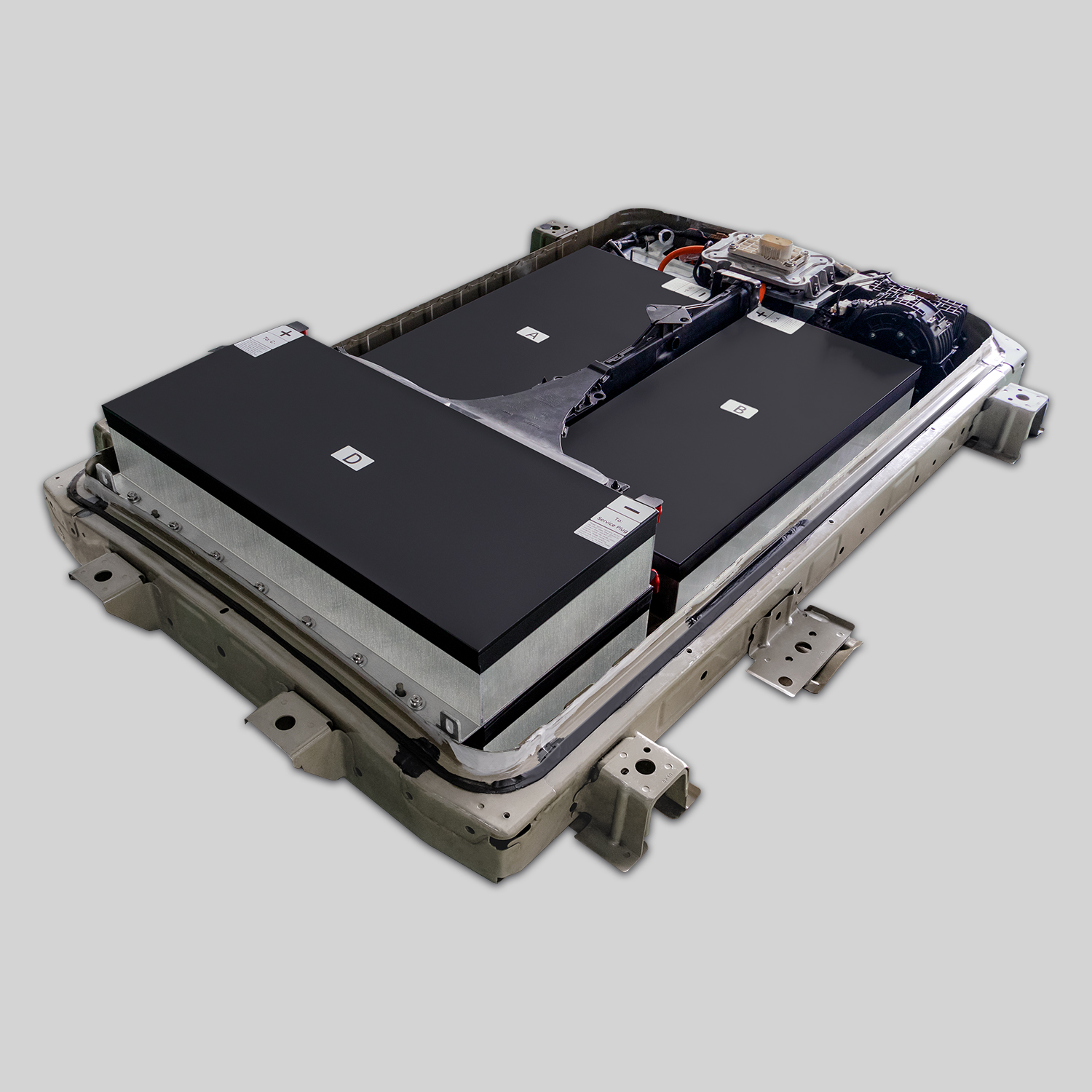
Best New Batteries for Nissan Leaf Tropical Use
For Nissan Leaf owners living in tropical climates, the relentless heat and humidity present a unique challenge. High temperatures are the number one enemy of lithium-ion batteries, accelerating chemical degradation and potentially leading to thermal runaway if the Battery Management System (BMS) isn’t up to the task.
If you’re facing range anxiety or battery swelling due to the harsh environment, upgrading to a new, high-quality battery pack is the most effective solution. Unlike refurbished units pulled from salvage yards, a brand-new pack built with modern cells and a robust BMS is engineered to withstand the tropics.
This guide will walk you through why standard replacements fail in the heat and how to choose the best new battery for Nissan Leaf tropical use.
Why Standard Batteries Fail in the Heat
Before diving into the solutions, it’s crucial to understand the “why.” Tropical regions often see ambient temperatures exceeding 35°C (95°F) regularly. When combined with the heat generated by driving, the internal battery temperature can skyrocket.
Most second-hand or refurbished Nissan Leaf batteries have already endured years of thermal stress. Their cooling channels are often clogged, and the cells have lost their thermal resilience. This leads to a vicious cycle: heat causes resistance, resistance causes more heat, and eventually, the battery capacity plummets.
To survive the tropics, you need a battery that is not just “new” but specifically designed for thermal stability.
The Critical Role of Battery Chemistry
Not all lithium-ion batteries are created equal, especially when it comes to heat tolerance. When searching for the best new batteries for Nissan Leaf tropical use, you must look at the battery chemistry.
- NMC (Nickel Manganese Cobalt): This is the standard chemistry found in most Leafs. While it offers high energy density, it is relatively sensitive to high temperatures.
- LFP (Lithium Iron Phosphate): This is the superior choice for tropical climates. LFP chemistry has a higher thermal runaway threshold, meaning it can handle much higher temperatures without degrading or becoming dangerous. It is also more tolerant of being stored at a full state of charge, which is common in hot regions.
If your current pack is NMC, upgrading to a new LFP (LiFePO4) battery is the single best decision you can make for longevity in the tropics.
Key Features to Look for in a Tropical Battery
When evaluating a new battery pack, don’t just look at the price or the kWh rating. Focus on the components that ensure survival in high heat:
- The Battery Management System (BMS): This is the brain of the battery. In tropical use, you need a BMS with aggressive thermal management protocols. It should be capable of cutting power or limiting charging speeds the moment temperatures approach dangerous levels.
- Thermal Interface Material (TIM): How well are the cells connected to the cooling plates? High-quality thermal paste or pads are essential for pulling heat away from the cells and into the cooling system.
- Cell Quality: You need pristine, brand-new cells. Avoid anything labeled “Grade A” pulled from old packs. Look for manufacturers that use cells from Tier-1 suppliers like CATL, which have stricter quality control for thermal consistency.
Top Recommendation: The Tropical-Ready Solution
Based on the specific requirements for heat resistance and longevity, the top recommendation for Nissan Leaf owners in tropical regions is a newly manufactured LFP (LiFePO4) battery pack.
Why this is the best choice:
- Inherent Heat Resistance: LFP cells are chemically stable at much higher temperatures than standard NMC cells.
- Longer Cycle Life: Even in hot conditions, LFP batteries typically last 3,000 to 5,000 cycles, compared to 1,000 to 2,000 for NMC.
- Safety: The risk of thermal runaway is significantly lower, providing peace of mind during the hottest months.
Installation and Maintenance Tips for Hot Climates
Buying the right battery is only half the battle. Proper installation and maintenance are key to maximizing your investment in a tropical environment.
- Pre-Installation Check: Before installing the new pack, inspect your vehicle’s existing cooling system. Ensure the radiator,水泵 (water pump), and coolant lines are free of blockages. Flushing the system with new coolant is highly recommended.
- Avoid Peak Charging: If possible, avoid charging the vehicle during the hottest part of the day (usually 12 PM – 3 PM). Charging generates additional heat, which can be detrimental when ambient temperatures are already high.
- Shade Parking: Whenever possible, park in shaded areas or garages. This reduces the “soak” temperature of the battery before you even start driving.
Conclusion
Living in a tropical climate doesn’t mean you have to sacrifice your EV’s performance. By upgrading to a brand-new LFP battery pack specifically designed with a robust BMS and high-temperature tolerance, you can restore your Nissan Leaf’s range and ensure it lasts for many more years, regardless of the heat outside.
Don’t gamble with a used battery that has already suffered thermal degradation. Invest in a new solution built for the environment.
Ready to find the perfect heat-resistant battery for your Nissan Leaf? Get a free custom quote today and speak to our technical experts about upgrading to a tropical-ready solution.
Get Your Free Custom Quote Now
Frequently Asked Questions (FAQ)
1. Can I use an LFP battery in my Nissan Leaf that originally had an NMC battery?
Yes, you can. However, it requires a compatible Battery Management System (BMS) and potentially minor modifications to the vehicle’s communication system. LFP batteries operate at a slightly different voltage curve than NMC, so the car’s software may need calibration to read the state of charge (SOC) accurately. Always consult with a technical expert before purchasing.
2. How much longer will an LFP battery last in the tropics compared to a standard battery?
While standard NMC batteries in tropical climates may degrade to 70-80% capacity within 3-5 years, a high-quality LFP battery can maintain over 80% capacity for 8-10 years or more in the same conditions. This is due to the superior thermal stability of the LFP chemistry.
3. Is the installation process different for a new battery in a hot climate?
The physical installation is generally the same (plug-and-play for compatible models). However, in tropical use, it is critical to ensure the cooling plates are perfectly clean and that high-grade thermal interface material is used during installation to maximize heat transfer away from the cells.
4. What is the warranty on batteries suitable for tropical use?
Reputable manufacturers offering tropical solutions typically provide a warranty of at least 2 years or 80,000 km. This warranty usually covers defects in materials and workmanship, as well as performance degradation (ensuring the battery maintains a minimum capacity threshold).