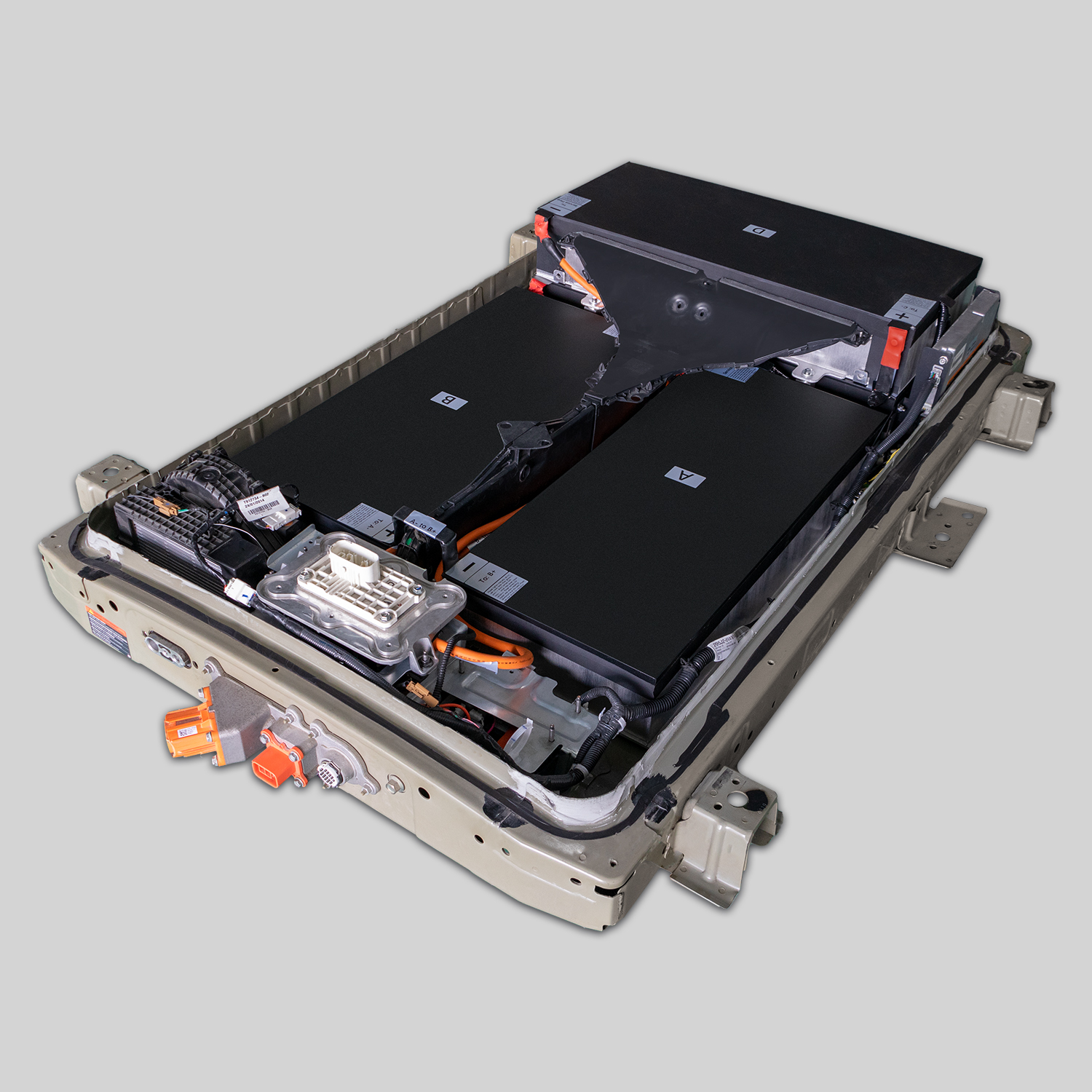
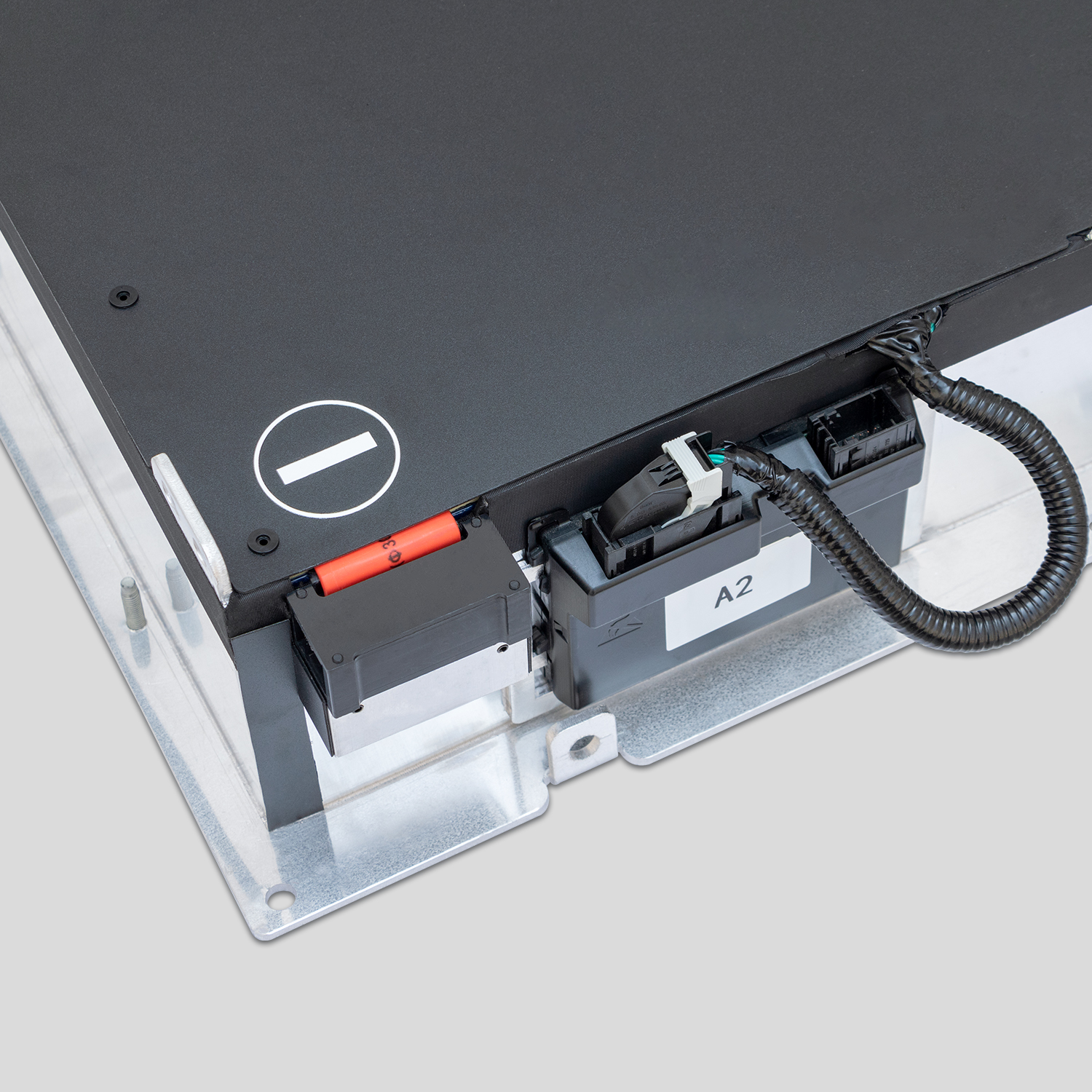
Nissan Leaf Battery Upgrade Compatibility by Year
Is your Nissan Leaf struggling to keep up with your daily commute? As an EV owner, you know that battery degradation is inevitable. However, replacing your Leaf’s battery doesn’t mean you have to settle for the same old range you started with. Upgrading to a higher-capacity or brand-new lithium-ion pack can breathe new life into your vehicle. As a specialist in Nissan and BMW EV powertrains, CNS BATTERY understands the nuances of battery compatibility across different Leaf generations. This guide will walk you through the exact compatibility by year, helping you choose the perfect upgrade solution.
Understanding the Nissan Leaf Generations
Before diving into specific years, it’s crucial to understand the Leaf’s chassis codes. These codes determine which battery packs will physically fit and electrically communicate with your car. The three primary generations are:
- ZE0 (First Generation): 2011–2017
- ZE1 (Second Generation): 2018–2022
- AZE0 (e-Plus Generation): 2019–Present (Often shares platforms with ZE1 but has specific high-voltage requirements)
Mixing packs from different generations without proper adaptation can lead to communication errors or physical fitment issues. Let’s break down the options for each era.
Upgrading the First Generation (ZE0): 2011–2017
The ZE0 chassis is one of the most popular candidates for battery swaps due to the high degradation of early lithium packs.
- The Problem: Original packs (24kWh or 30kWh) often suffer from “12-bar syndrome” or complete failure.
- The Solution: Capacity Upgrades.
Owners of the 2011–2017 Leaf have the unique opportunity to upgrade their capacity significantly. While the original maxed out at 30kWh, the chassis has enough physical space for modern modules.- 40kWh Upgrade: A standard replacement that restores original performance.
- 62kWh / 68kWh Upgrade: This is where it gets exciting. By utilizing newer, higher-density modules, you can nearly double your range. This is a popular retrofit that requires a compatible Battery Management System (BMS), which our packs are pre-programmed to handle.
Expert Tip: If you own a 2014–2017 ZE0 model, upgrading to a 62kWh pack is often considered the “sweet spot” for cost versus range improvement.
Modernizing the Second Generation (ZE1): 2018–2022
The ZE1 platform was designed for larger batteries, but degradation is still a major concern, especially for fleet vehicles or high-mileage users.
- The Problem: While these packs (40kWh and 62kWh) are more robust, they still lose capacity over time. Replacing them with OEM parts is prohibitively expensive.
- The Solution: OEM-Compatible New Cells.
For the 2018–2022 models, the focus shifts from “fitment hacks” to “quality replacement.”- 40kWh Replacement: Perfect for standard-range models needing a reliable, brand-new core.
- 62kWh Replacement: For long-range models, we offer packs using brand-new CATL cells. Unlike refurbished OEM batteries that might have hidden swelling issues, our new production ensures a 100% health start.
Why choose a new build over a used OEM pack? Used packs are a gamble. You might buy a “reconditioned” 62kWh pack only to find it swells or loses bars within months. A new engineered solution from a trusted manufacturer like CNS guarantees longevity.
The e-Plus (AZE0) and Beyond: 2019+
The AZE0 (including the Leaf Plus/S+) operates on a different voltage curve and requires specific thermal management solutions.
- The Challenge: These models require precise voltage matching and advanced BMS programming.
- The Solution: Precision Engineering.
If you drive a 2019+ Leaf Plus, you need a battery solution engineered for high voltage (up to 400V systems). We offer specific modules designed to interface with the AZE0’s unique CAN bus protocol, ensuring your dash displays accurate State of Charge (SOC) without error codes.
Why Compatibility Matters: The CNS BATTERY Advantage
Simply buying a “Nissan Leaf battery” online is risky. At CNS, we don’t just sell boxes of cells; we sell integrated powertrain solutions.
- VIN-Level Verification: Before you buy, our team can verify compatibility based on your Vehicle Identification Number. This ensures the connectors, communication protocols, and physical dimensions match your specific year and model.
- New vs. Refurbished: We utilize brand-new, top-tier CATL cells. This isn’t recycled junk pulled from a salvage yard. New cells mean no pre-existing degradation, no memory effect, and a much lower risk of thermal runaway.
- Warranty Confidence: We back our compatibility claims with a 24-month / 80,000 km warranty. This covers not just defects but also performance degradation, ensuring your pack maintains at least 70% capacity.
Installation and Support
Worried about the swap? Don’t be.
- Plug-and-Play Design: Our packs are designed to match OEM dimensions. The wiring harnesses and connector types are identical to the factory specifications for your year.
- Guided Programming: While the hardware fits, the software needs to talk. We provide detailed video tutorials and, if needed, remote video guidance from our engineers to help with BMS programming.
- Global Shipping: Whether you are in the USA, Europe, or elsewhere, we handle the logistics, including DDP (Delivered Duty Paid) options, so there are no surprise fees at the border.
Frequently Asked Questions (FAQ)
Q1: Can I upgrade my 2013 Nissan Leaf (24kWh) to a 62kWh battery?
Yes, absolutely. The 2011–2017 ZE0 chassis is highly compatible with 62kWh upgrades. This is a common retrofit that requires a compatible BMS (which our packs include). It effectively doubles your range, turning your older Leaf into a modern EV competitor.
Q2: Are your batteries compatible with the 2021 Nissan Leaf e-Plus (AZE0)?
Yes, but it requires specific engineering. The e-Plus models have different voltage and cooling requirements. We offer specific modules designed for the AZE0 platform. Please contact our technical team to confirm the exact specifications for your vehicle before ordering.
Q3: What are the risks of buying a “refurbished” battery vs. your new pack?
Refurbished batteries are often just old cells cleaned up and repackaged. They carry the risk of:
- Swelling: Old cells expand when charged, potentially cracking the casing.
- Hidden Degradation: You might buy a pack that looks new but is already at 70% health.
- Short Lifespan: They rarely last more than 1-2 years.
Our packs use brand-new CATL cells, eliminating these risks and offering a longer lifespan.
Q4: How do I know which battery fits my specific year?
The easiest way is to use our Free Custom Quote form. You can also provide your VIN to our sales team, and we will verify the exact pack compatibility for your model year, ensuring a perfect fit without guesswork.