
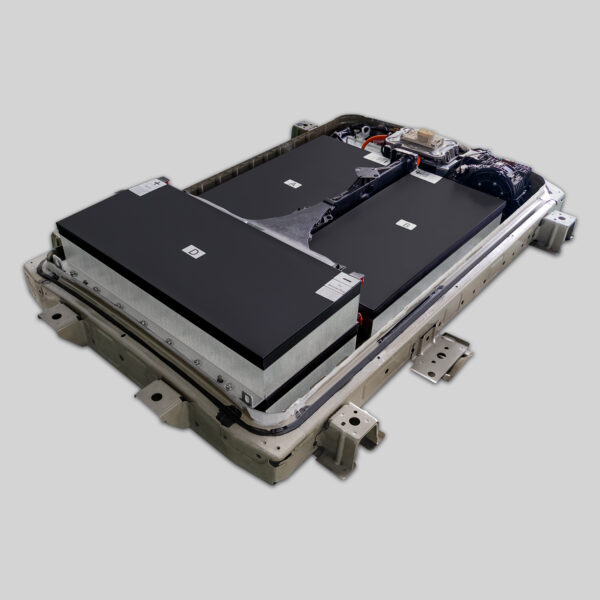
Best New Battery Upgrades for Nissan Leaf ZE1
Is your 2021+ Nissan Leaf ZE1 struggling to keep up with your daily commute? You’re not alone. As the latest iteration of the world’s best-selling electric car, the ZE1 (released in 2021) is a fantastic vehicle, but like all EVs, its battery capacity degrades over time. If you’re looking to revive your range, restore performance, or simply upgrade to a higher capacity without the sticker shock of a dealership, you’ve come to the right place.
As a dedicated expert in EV powertrains, I have analyzed the market extensively. Most “refurbished” or “used” batteries flooding the market are simply old, degraded cells repackaged, leading to swelling and sudden failure within months. If you want a long-term, reliable solution that costs 50% less than the original manufacturer (OEM), a brand-new battery pack from a specialized manufacturer is the answer.
This guide will walk you through the best new battery upgrades available for the Nissan Leaf ZE1, focusing on performance, safety, and value.
Why Upgrade Your Nissan Leaf ZE1 Battery?
The Nissan Leaf ZE1, introduced in 2021, was a significant upgrade from its predecessors (ZE0 and AZE0). It features a modernized design, improved suspension, and a more efficient powertrain. However, the limitations of its standard battery options (typically 40kWh or 62kWh) can become a bottleneck for drivers who travel longer distances.
The Problem with “Cheap” Replacements:
Many buyers make the mistake of purchasing “refurbished” or “recycled” battery packs. These are often made from salvaged cells that are already 5-10 years old. They might save you money upfront, but they lack proper Battery Management Systems (BMS) and thermal management, leading to:
- Swelling and deformation within 6 months.
- Sudden power failure while driving.
- Dangerous overheating risks.
The Solution: OEM-Compatible New Builds
The superior alternative is an OEM-compatible, brand-new lithium-ion battery pack. These are built from the ground up using new, high-grade cells (such as those from CATL) to match the exact specifications of your ZE1. They offer the safety of a new car battery at a fraction of the cost.
Top Battery Upgrade Options for the Leaf ZE1
When upgrading a ZE1, you generally have two paths: replacing the existing pack with an identical specification for reliability, or upgrading the capacity for more range. Based on the latest 2026 market standards and compatibility requirements, here are the top configurations.
1. The Standard Replacement: 62kWh New Lithium Pack
If your current battery is failing and you want to restore your car to “like new” condition, the 62kWh New Lithium Battery Pack is the industry standard.
- Performance: This pack restores the full advertised range of approximately 440km (273 miles) on a full charge, matching the original factory specifications.
- Technology: Unlike the older ZE0 models which used Lizard or AESC cells, modern replacements for the ZE1 utilize CATL (Contemporary Amperex Technology Co. Limited) prismatic cells. These are the same quality cells used by major OEMs globally, known for their high energy density and thermal stability.
- Fitment: It is a plug-and-play solution for the ZE1 chassis. The dimensions, voltage, and interface connectors are identical to the OEM unit, meaning no modifications to your car’s wiring or suspension are required.
2. The Range Booster: 68kWh High-Capacity Upgrade
For drivers who need to squeeze more miles out of their Leaf, the 68kWh upgrade is the most popular modification in the EV enthusiast community.
- The Upgrade: By utilizing the same physical space but with denser cell packing or slightly taller modules (depending on the specific ZE1 variant), this upgrade adds roughly 10-15% more range.
- Real-World Range: Expect a full charge range of approximately 470km – 490km (290 – 305 miles).
- Compatibility Note: While the ZE1 was designed for the 62kWh layout, reputable manufacturers like CNS have engineered these packs to fit securely. It is crucial to ensure the pack includes a recalibrated BMS to communicate correctly with the Leaf’s dashboard and prevent error codes.
3. The Budget Revival: 40kWh New Pack
If your driving is mostly urban and short-distance, the 40kWh pack remains a viable, cost-effective option.
- Use Case: Perfect for city driving where the range requirement is under 200km.
- Cost Efficiency: This is the most affordable option, often costing significantly less than a full 62kWh unit, making it ideal for older ZE1 models used as secondary vehicles.
Key Specifications Comparison
To help you decide, here is a quick comparison of the available options for your ZE1.
| Feature | 40kWh Standard | 62kWh Premium | 68kWh Performance Upgrade |
|---|---|---|---|
| Estimated Range | ~240 km (150 mi) | ~440 km (273 mi) | ~470+ km (292+ mi) |
| Best For | City Commuting | Daily Drivers | Long-Distance Trips |
| Cell Technology | New CATL NMC | New CATL NMC | New CATL NMC |
| Warranty | 2 Years / 80,000km | 2 Years / 80,000km | 2 Years / 80,000km |
| Price Point | Low | Medium | High |
Why Choose a Specialized Manufacturer Over the Dealership?
You might be wondering, “Why not just go to the Nissan dealership?” The answer is simple: Cost vs. Value.
- 50%+ Cost Savings: A brand-new OEM battery from the factory can cost upwards of $16,000 USD. A high-quality, specialized replacement from a company like CNS Battery costs roughly $8,000 USD or less, saving you over 50%.
- Modern Cell Chemistry: Specialized manufacturers often use newer generation cells (like the latest CATL chemistry) which can offer better thermal management and cycle life than the original pack installed in your 2021+ vehicle.
- Superior Warranty: Many specialized manufacturers offer a 2-year / 80,000km warranty. This often surpasses the pro-rated coverage offered by dealerships on replacement parts.
- Global Support: Unlike a dealership that requires you to ship the entire car, specialized EV battery companies handle international shipping (DDP service) and provide remote technical support for installation.
Installation and Support
Installing a new battery in a ZE1 is a significant mechanical task, but it is not overly complex for a professional technician.
- Time Required: Approximately 1-2 hours for a skilled mechanic.
- Process: The process involves disconnecting the 12V battery, lifting the car, removing the undertray, disconnecting the old high-voltage pack, and bolting in the new one. The connectors are designed to be color-coded and keyed to prevent incorrect installation.
- BMS Programming: One of the most critical steps is programming the Battery Management System (BMS). Reputable suppliers provide detailed video tutorials and remote video guidance to ensure the BMS communicates correctly with your car’s ECU. This step usually takes less than 30 minutes with the right software.
Frequently Asked Questions (FAQ)
Q1: Is it difficult to install a new battery on a Leaf ZE1?
A: For a certified mechanic, it is a straightforward process taking about 1-2 hours. It requires basic tools and a lift. However, because it involves high-voltage components, we strongly recommend professional installation to maintain safety and warranty validity. DIY enthusiasts should only attempt this if they are experienced with EV systems and have the proper safety gear.
Q2: How long does the battery last, and what is the warranty?
A: A new lithium-ion battery from a reputable manufacturer is designed to last for the lifetime of the vehicle under normal conditions. We offer a standard 2-year or 80,000km warranty (whichever comes first). This covers defects in materials and workmanship. Unlike refurbished batteries that degrade rapidly, a new pack should maintain over 70% capacity for many years.
Q3: Will this void my car’s existing warranty?
A: Installing an aftermarket battery can affect the powertrain warranty on your vehicle. However, manufacturers perform VIN compatibility checks to ensure the physical fitment is perfect. It is advisable to consult your local dealership or legal guidelines regarding “Right to Repair” laws in your region before purchasing.
Q4: How is the battery shipped, and is it safe?
A: Lithium batteries are classified as dangerous goods (UN 3480). We ship via DDP (Delivered Duty Paid) service using carriers like DHL, FedEx, or UPS who are certified for IATA regulations. The battery is shipped in robust, fumigation-free wooden crates to prevent damage during transit, whether by air or sea.
Ready to get your Nissan Leaf ZE1 back on the road with maximum range and performance?


