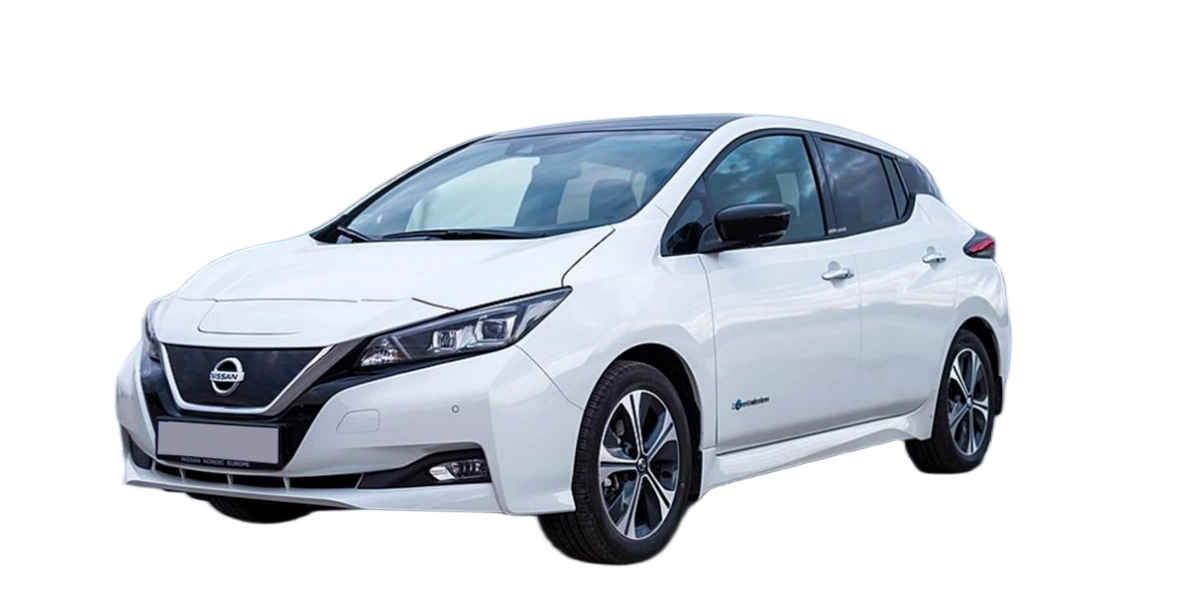
Nissan Leaf SV New Battery Cost Factors
Is your 2019-2023 Nissan Leaf SV losing its range? If the “Turtle” light is becoming a frequent companion on your commute, you’re likely facing the dreaded battery replacement decision. As a Nissan Leaf owner, you know the SV trim is a reliable workhorse, but battery degradation is inevitable. The sticker shock of a dealership replacement—often exceeding $15,000—can feel like a second car payment.
This guide cuts through the noise to analyze the real Nissan Leaf SV new battery cost factors. We’ll break down the price differences between OEM dealers, third-party suppliers, and the critical specifications (like kWh and cell type) that impact your wallet. By the end, you’ll understand how to upgrade your range without breaking the bank.
The Price Shock: Why Dealership Batteries Cost $15k+
When you walk into a Nissan dealership (or an independent mechanic using OEM parts), the quote for a new battery pack for a 2019-2023 Leaf SV is often staggering. Why is this?
- The “New Car” Premium: Dealerships treat the battery as a new vehicle component, not a wear-and-tear item. The markup covers their overhead and brand licensing.
- Labor Complexity: Replacing the entire pack isn’t a 10-minute job. It requires heavy lifting equipment and recalibration of the Battery Management System (BMS).
- The “All-or-Nothing” Approach: Most dealers won’t repair a degraded pack; they replace the entire 62 kWh unit. If your SV’s range has dropped to 100 miles, you’re paying for 200 miles of capacity you might not strictly need, but you have to buy it anyway.
The Reality: For many Leaf SV owners, paying $15,000 to fix a $7,000 car (the depreciated value of a 2019 Leaf) simply doesn’t make financial sense.
The Core Cost Factors: What Actually Determines the Price?
Before you decide where to buy, you need to understand what you’re paying for. Not all batteries are created equal, and the price varies drastically based on three core technical factors.
1. The “Cell” Factor: Brand New vs. Recycled
This is the single biggest determinant of cost.
- Brand New Cells (CATL, etc.): Premium suppliers like CNS BATTERY use brand new, A-grade cells from manufacturers like CATL (Contemporary Amperex Technology Co. Limited). These offer the highest energy density, longest lifespan, and safety certifications. This is the “gold standard” for a reason.
- Recycled/Used Cells: Many low-cost options on the market are “repacks” of used cells harvested from other dead batteries. While cheaper upfront, these often fail within 6–12 months due to hidden degradation, leading to swelling or sudden death.
2. The “Capacity” Factor: 40 kWh vs. 62 kWh vs. 80 kWh
The Leaf SV has historically come in different trims, but the battery size you choose impacts the price linearly.
- 40 kWh: The budget option. Suitable for very short commutes, but costs have risen significantly as new stock is scarce.
- 62 kWh: The standard for the modern Leaf SV. This is the sweet spot for cost vs. range (approx. 150 miles).
- Upgrades (70kWh+): Some owners choose to upgrade beyond the stock 62 kWh for longer range. This requires custom engineering and increases the price, but it’s often still cheaper than a stock OEM replacement.
3. The “Engineering” Factor: Plug-and-Play vs. DIY
- Plug-and-Play (OEM Standard): A high-quality replacement should match the OEM dimensions and connectors exactly. This eliminates the need for cutting wires or dangerous modifications, which adds to the manufacturing cost but saves you hundreds in labor and prevents warranty voidance.
- BMS Programming: A sophisticated Battery Management System (BMS) is required to communicate with your Leaf’s dashboard. A cheap battery without proper BMS integration will throw error codes constantly.
The Smart Alternative: Third-Party New Battery Solutions
If the $15,000 dealership quote is off the table, and the risk of used cells is too high, what’s left?
The modern solution is OEM-Compatible New Battery Packs.
Companies specializing in EV powertrains (like CNS BATTERY) design packs specifically for the Nissan Leaf ZE1 (2018+) and Leaf SV chassis. These are not used batteries; they are newly manufactured units built to OEM specifications but without the car manufacturer’s massive markup.
The Value Proposition:
- Cost: Typically 50% less than the dealer. Instead of $15,000, you’re looking at a fraction of that cost for a brand new unit.
- Quality: Utilizing the same brand new CATL cells found in many factory packs, ensuring longevity and safety.
- Warranty: While dealers offer standard warranties, specialized suppliers often offer competitive warranties (such as 2 years / 80,000 km) specifically tailored to battery performance.
Making the Decision: A Cost Comparison
Let’s put the numbers side-by-side to visualize your options for a 2019-2023 Leaf SV.
| Option | Estimated Cost | Cell Quality | Warranty | Risk Level |
|---|---|---|---|---|
| Nissan Dealership | $14,000 – $16,000 | Brand New (OEM) | Standard Dealer | Low (but expensive) |
| “Cheap” Recycled Pack | $3,000 – $5,000 | Used/Refurbished | Often None | High (Swelling/Failure) |
| OEM-Compatible New | $6,000 – $8,000 | Brand New (CATL) | Extended (e.g., 2 Yr/80k km) | Low |
Analysis:
Paying $15,000 for a 5-year-old car is rarely a sound financial decision. Buying a $4,000 recycled pack is a gamble on your daily transportation. The OEM-Compatible New route offers the best balance: you get the reliability of a new car battery (with new cells) at a price that respects the car’s depreciation.
Frequently Asked Questions (FAQ)
Q1: Can I install a new battery in my Leaf SV myself?
A: While the physical installation of a pre-programmed “Plug-and-Play” pack can be done by a skilled mechanic (taking roughly 1-2 hours), we strongly recommend professional installation. The BMS programming and high-voltage safety protocols are complex. However, suppliers often provide detailed video guides and remote support to assist your technician.
Q2: Will a third-party battery void my remaining car warranty?
A: Generally, no. Reputable OEM-compatible batteries are designed to mimic the original voltage and communication protocols perfectly. Many suppliers offer VIN compatibility checks to ensure the dashboard displays correctly without triggering errors that could confuse a dealership service center.
Q3: How much range can I expect from a new 62 kWh pack in my SV?
A: A brand new 62 kWh pack should restore your Leaf SV to near-new specifications. Expect a real-world range of approximately 140-160 miles depending on your driving habits and climate. This is a massive improvement over a degraded pack that might only manage 70-90 miles.
Don’t let battery degradation kill your Nissan Leaf SV. You don’t have to choose between financial ruin at the dealership or a risky gamble on a used battery. By understanding the Nissan Leaf SV new battery cost factors, you can make an informed decision that prioritizes safety, longevity, and value.
If you’re ready to explore a cost-effective, high-quality solution for your Leaf, get a free quote today.