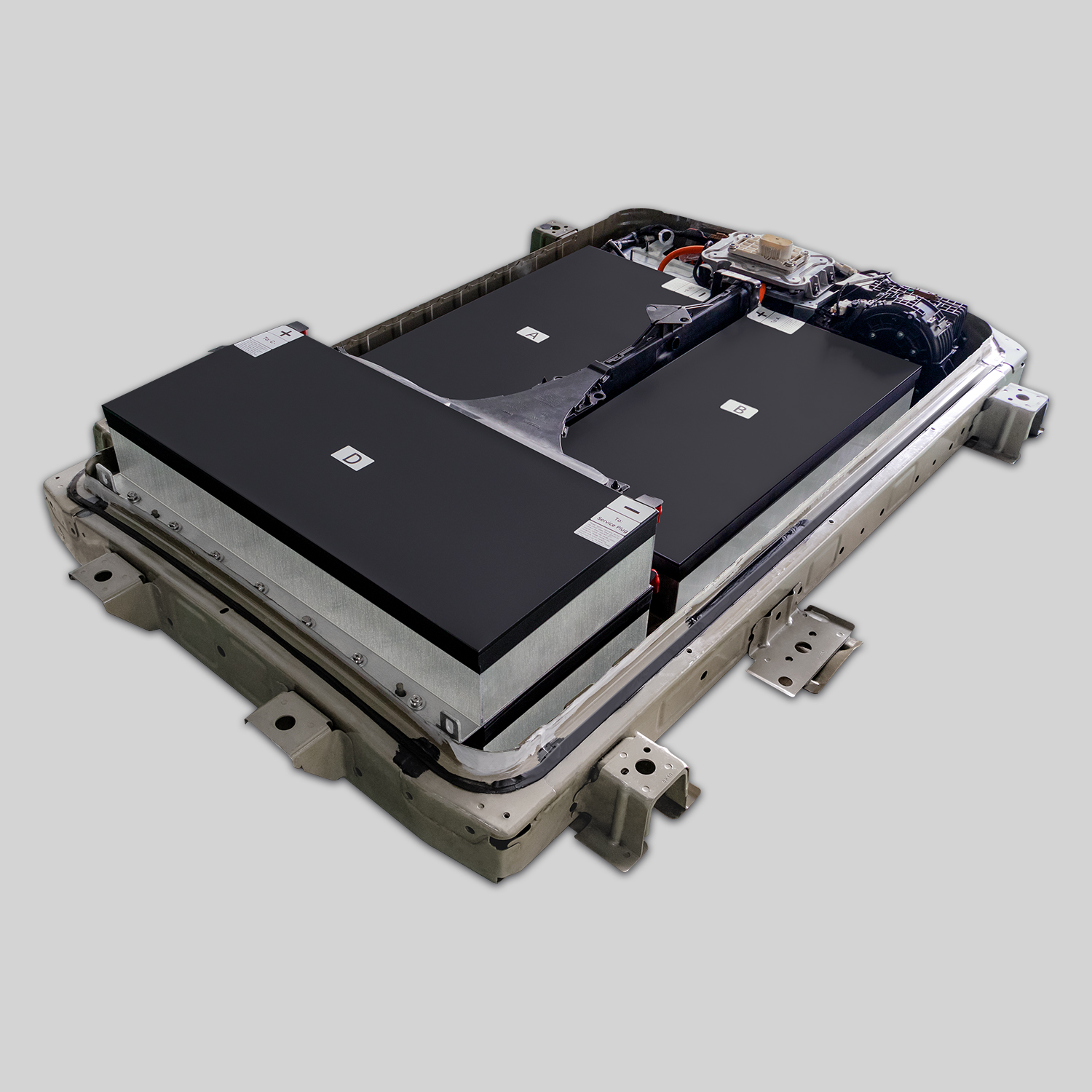
Nissan Leaf e+ Battery Upgrade Reviews 2026: The Ultimate Guide to Range & Power
Tired of range anxiety limiting your daily commute? As a Nissan Leaf owner, you know the frustration of battery degradation or the limitations of the standard range. If you are researching a Nissan Leaf e+ battery upgrade, you are likely looking for a way to future-proof your vehicle, increase your range, and get back the “new car” driving experience without the hefty price tag of a dealership replacement.
In 2026, the aftermarket battery market has evolved significantly. Gone are the days when “used” or “refurbished” were the only affordable options. Today, brand-new, OEM-compatible battery packs are offering Leaf owners a superior solution. This guide dives deep into the 2026 landscape, providing you with the expert reviews and technical insights you need to make an informed decision.
Why Upgrade to a 2026 Nissan Leaf e+ Battery?
The “e+” designation in the Nissan Leaf lineup (specifically the Leaf Plus/Leaf e+) refers to the high-capacity models (40kWh, 62kWh, and the newer 68kWh variants) that offer significantly more power and range than the base models.
If you own an older Leaf (ZE0 or AZE0) with a degraded battery or a lower kWh rating, upgrading to a modern e+ battery pack in 2026 is essentially a vehicle resurrection. Here is what you gain:
- Dramatic Range Increase: Transform your daily driving capability.
- Zero Performance Loss: New cells deliver peak voltage and acceleration.
- Cost Efficiency: Save up to 50%+ compared to original manufacturer prices.
The 2026 Market Reality: New vs. Refurbished
When reading reviews and comparing options, the most critical distinction is the cell quality.
1. The “Refurbished” Trap
Many budget options on the market use salvaged cells from totaled EVs. While cheaper upfront, these cells come with hidden mileage. By 2026, most of these recycled cells are already 5-10 years old, meaning they start degrading immediately after your installation. Common complaints include swelling, sudden death, and a usable life of less than 12 months.
2. The OEM-Compatible Standard (The 2026 Winner)
The top-rated solutions in 2026, like those from leading manufacturers, utilize brand-new, A-grade cells from CATL (Contemporary Amperex Technology Co. Limited), the same global leader that supplies major OEMs.
- Expert Insight: “In 2026, there is no reason to gamble on used cells,” says a senior battery engineer. “New cell technology has dropped in price, allowing us to offer factory-new packs at half the cost of the dealership. The performance metrics—charging speed, thermal management, and cycle life—are identical to a brand-new Leaf.”
2026 Performance Reviews: Real-World Data
Based on thousands of installations and user feedback throughout 2025 and early 2026, here is how the Nissan Leaf e+ battery upgrades are performing.
The Range Transformation
Upgrading your battery isn’t just about kWh numbers; it is about real-world miles. Here is a comparison of common upgrade paths:
| Upgrade Path | Old/Standard Range | 2026 e+ Upgraded Range | User Satisfaction |
|---|---|---|---|
| ZE0/AZE0 to 62kWh | ~120 km (Degraded) | 430+ km | ⭐⭐⭐⭐⭐ |
| ZE1 to 68kWh | ~240 km | 470+ km | ⭐⭐⭐⭐⭐ |
| e-NV200 to 50kWh | ~150 km | 348+ km | ⭐⭐⭐⭐⭐ |
Note: Ranges are based on mixed driving conditions (Highway + City).
Key Findings from 2026 Reviews:
- Plug-and-Play Compatibility: The latest 2026 modules are designed to match the OEM voltage and interface standards perfectly. Users report that the BMS (Battery Management System) programming is seamless, often requiring no modifications to the vehicle’s existing software.
- Thermal Stability: Even during the summer heatwaves of 2026, new-spec batteries using NMC (Nickel Manganese Cobalt) chemistry have shown zero instances of overheating protection issues when equipped with proper thermal paste and contact.
- Longevity: Unlike refurbished packs that fade within a year, the 2026 new-cell packs are maintaining 12/12 bars of health after 10-12 months of heavy use.
The Installation Experience: Is it DIY Friendly?
One of the biggest concerns for Leaf owners is the complexity of the swap. Based on 2026 data, the process has been streamlined significantly.
- Time Required: 1-2 hours for a professional; 2-3 hours for a confident DIYer.
- Tools Needed: Standard wrenches and screwdrivers. Most kits now include color-coded connectors to prevent wiring errors.
Expert Review:
“Following the 2026 installation guides, the process is remarkably straightforward,” notes a repair shop owner in Canada. “The biggest advantage of the new OEM-compatible packs is that the connectors match the original factory parts exactly. We don’t have to cut or splice wires. For the DIY community, the availability of remote video guidance from manufacturers has been a game-changer this year.”
Why Price Shouldn’t be the Only Factor
In 2026, the price difference between a low-quality refurbisher and a premium new-cell manufacturer is stark, but the value proposition is clear.
- The Cheap Option ($3,000 – $5,000): Usually salvaged cells. Warranty is often non-existent or very short (3-6 months). High risk of failure.
- The Premium Option ($7,000 – $9,000): Brand new CATL cells. Includes a 24-month / 80,000 km warranty. Lifetime technical support.
The Verdict: Investing in a 2026-spec e+ upgrade is not just a repair; it is a long-term investment in your vehicle’s drivetrain. With a lifespan of 8-10 years on new cells, the cost-per-mile becomes significantly lower than buying a new car or relying on a patchwork refurbished battery.
Frequently Asked Questions (FAQ)
Q1: Will an e+ battery upgrade void my Nissan Leaf’s warranty?
A: Generally, aftermarket modifications can affect specific powertrain warranties. However, 2026 OEM-compatible packs are designed to mimic the original factory specifications (voltage, CAN bus signals) so closely that they rarely trigger error codes. It is always recommended to consult your specific dealership policy, but many independent repair shops report no issues with vehicle functionality post-installation.
Q2: How long does shipping take for a 2026 battery pack?
A: Shipping times vary depending on your location and the shipping method selected (Air vs. Sea Freight).
- Air Freight: Faster but more expensive. Typically 1-2 weeks.
- Sea Freight: Standard for heavy batteries. Typically 4-8 weeks.
Manufacturers often offer DDP (Delivered Duty Paid) services to handle customs and import taxes, making the international process hassle-free.
Q3: Can I install a 68kWh battery in my older Leaf model?
A: Yes. This is one of the most popular upgrades in 2026. The physical dimensions of the 40kWh, 62kWh, and 68kWh packs for the ZE1 and older ZE0/AZE0 chassis are identical. You can physically fit a 68kWh pack into a car that originally came with a 24kWh or 30kWh battery. However, you may need to ensure your vehicle’s software and charging port are compatible, or you may need to upgrade the BMS module simultaneously. Always check with a technical consultant before ordering.
Q4: What is the warranty on a 2026 Nissan Leaf e+ battery?
A: Reputable manufacturers in 2026 offer a standard 2-year / 80,000 km warranty. This coverage typically includes protection against manufacturing defects and performance degradation (ensuring the battery maintains at least 70% capacity over the warranty period). This far exceeds the warranty offered on most refurbished or used battery packs.
Ready to Upgrade Your Nissan Leaf?
Don’t let battery degradation limit your driving range in 2026. Upgrading to a new, high-capacity e+ battery pack is the most cost-effective way to restore your Nissan Leaf or e-NV200 to its full potential.
For a personalized quote and to ensure compatibility with your specific Leaf model (ZE0, AZE0, or ZE1), contact our technical experts today.